Grocery costs can climb fast, especially when fresh food spoils before anyone gets around to eating it. A few changes to the way you store, prepare, and use groceries can help you get more meals out of every shopping trip.
You don’t need a strict meal plan or a complicated kitchen system to waste less food. Keeping leftovers in sight, storing produce properly, and freezing extra portions before they spoil are simple habits that can save money over time.
Here are 12 practical ways to make better use of the food you bring home.
Delay Washing Produce
Washing all your fruits and vegetables as soon as you unpack the groceries might seem like a time-saver, but leftover moisture can cause some items to spoil sooner. Berries, leafy greens, and other delicate produce are often better washed just before eating.
If you prefer to wash produce ahead of time, dry it thoroughly before storing it. Check the storage needs of each type of fruit or vegetable, since some items benefit from different handling.
Related: 13 Unexpected Ways Rubbing Alcohol Can Help Around the House
Separate the Bananas
A bunch of bananas can ripen faster than you expect, leaving you with several overripe ones at once. Separating them may help slow the process and give you more time to eat them.
Wrapping the stems in plastic wrap is another commonly used trick that may slow ripening a little. It won’t stop the bananas from changing color, but it may buy you some extra time.
Related: 13 Unexpected Ways Rubbing Alcohol Can Help Around the House
Eat Your Leftovers
Leftovers can save you from preparing another meal, but they’re easy to forget when they’re tucked behind other food in the refrigerator. Transfer them to containers after dinner and place them somewhere visible so you remember to eat them.
You can also give yesterday’s food a different purpose the next day. Roasted vegetables work well in omelets, cooked chicken can fill sandwiches, and leftover rice makes an easy batch of fried rice.
Use Airtight Containers
Once you’ve opened a package, transfer the remaining food to a resealable bag or airtight container if the original packaging won’t close properly. This helps protect food from excess air and moisture that can affect its quality.
Glass and food-safe plastic containers are both useful for leftovers, pantry staples, cut produce, and other opened foods. Having a few different sizes on hand makes it easier to store small and large portions.
Use Clear Containers
Clear containers make it easier to see what you have without opening every lid or moving things around. This is especially helpful for leftovers and ingredients that might otherwise get pushed to the back of the refrigerator.
When food is easy to spot, you’re more likely to remember it before it spoils. Clear containers can also help you keep track of what needs to be used first.
Keep an Eye on Food Dates
Date labels can be confusing, and a “Best if Used By” date often refers to quality rather than an automatic safety cutoff. Different labels have different meanings, so it’s worth checking what the wording on a package indicates.
Look for signs of spoilage, such as mold, unusual odors, changes in texture, or damaged packaging. If a food looks or smells questionable, don’t take a chance on eating it.
Set Your Refrigerator to the Right Temperature
Keep your refrigerator at 40°F (4°C) or below to slow the growth of harmful bacteria. A refrigerator thermometer can help you check the actual temperature instead of relying only on the appliance’s dial or display.
Check the temperature from time to time, especially if food seems to spoil sooner than expected. Power interruptions and changes to the refrigerator settings can affect how well food stays cold.
Keep Perishables Away From the Refrigerator Door
The refrigerator door tends to be warmer than the shelves inside because it is exposed to room-temperature air each time you open it. Foods that spoil quickly are better kept in colder areas of the refrigerator.
Store milk, fresh meat, and other highly perishable items on suitable interior shelves. The door is a better place for condiments, juices, and other foods that can handle more frequent temperature changes.
Check Your Fruits Regularly
A piece of fruit that has started to mold or spoil can affect nearby produce, especially when everything is packed together. Check your fruit every few days and remove anything that has gone bad.
Use ripe fruit before it becomes too soft, and keep items that need attention where you can see them. This quick check can help prevent a few forgotten pieces of fruit from becoming a whole bag of wasted groceries.
Batch Cook and Freeze
Preparing several portions at once can save time on busy days, but there’s no reason to leave extra servings sitting in the refrigerator until they go bad. Freeze what you won’t eat within a few days so it can be used for another meal.
Divide food into individual portions before freezing, making it easier to thaw just what you need. Label each container with its contents and date so you don’t end up guessing what’s inside weeks later.
Turn Overripe Fruit Into a Smoothie Bowl
Soft bananas, berries, peaches, and mangoes can still be useful even when they’re past their best for eating fresh. Blend ripe fruit into a smoothie or freeze it for a smoothie bowl instead of throwing it away.
You can freeze fruit in ready-to-use portions, too, so it’s available for quick breakfasts later.
Related: 27 Breakfast Bowls So Good, They Taste Like Dessert
Dry Fresh Herbs
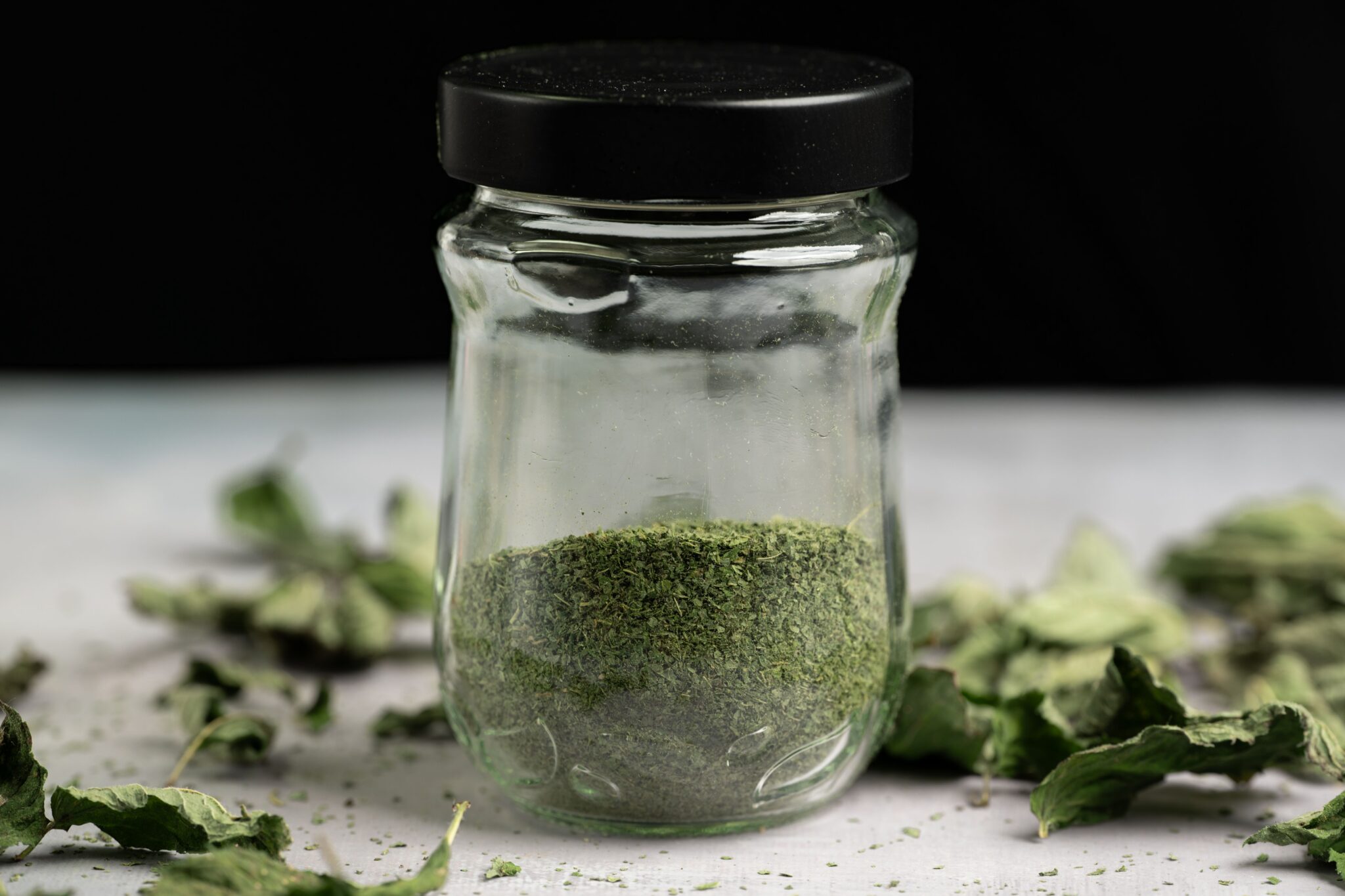
Fresh herbs often come in larger bunches than a recipe calls for, and the unused leaves can wilt before you get another chance to use them. Drying extra basil, mint, oregano, rosemary, and other herbs gives you a supply for future meals.
Once the herbs are completely dry, store them in a clean, airtight container away from heat and direct sunlight. You can then use them in soups, sauces, marinades, and other recipes.
Related: How to Dry Fresh Herbs