I’ve spent enough time in thrift stores to know that finding something good isn’t always a matter of luck. Sure, there’s a little excitement in never knowing what you’ll come across, but I’ve also learned that how you shop makes a difference.
Over the years, I’ve developed a few habits that help me spot better deals, recognize quality pieces, and avoid bringing home things I’ll eventually regret buying. Some of these things seem obvious now, but I wish I’d started doing them much sooner.
Whether I’m stopping by Goodwill for a quick look or spending an afternoon visiting several thrift stores, these are nine things I almost always do.
1. I Pay Attention to Discount Tags and Sale Days
If you shop at the same thrift stores regularly, it’s worth learning how their discounts work. Some Goodwill locations have color-of-the-week promotions, while other stores offer special markdown days or discounts on certain categories.
I always check the signs near the entrance or ask an employee about current promotions before I start shopping. There’s nothing quite like finding something you love and realizing it’s an additional 50% off. And if an item isn’t discounted, I can decide whether it’s worth paying the asking price.
2. I Look Beyond What’s Hanging Right in Front of Me
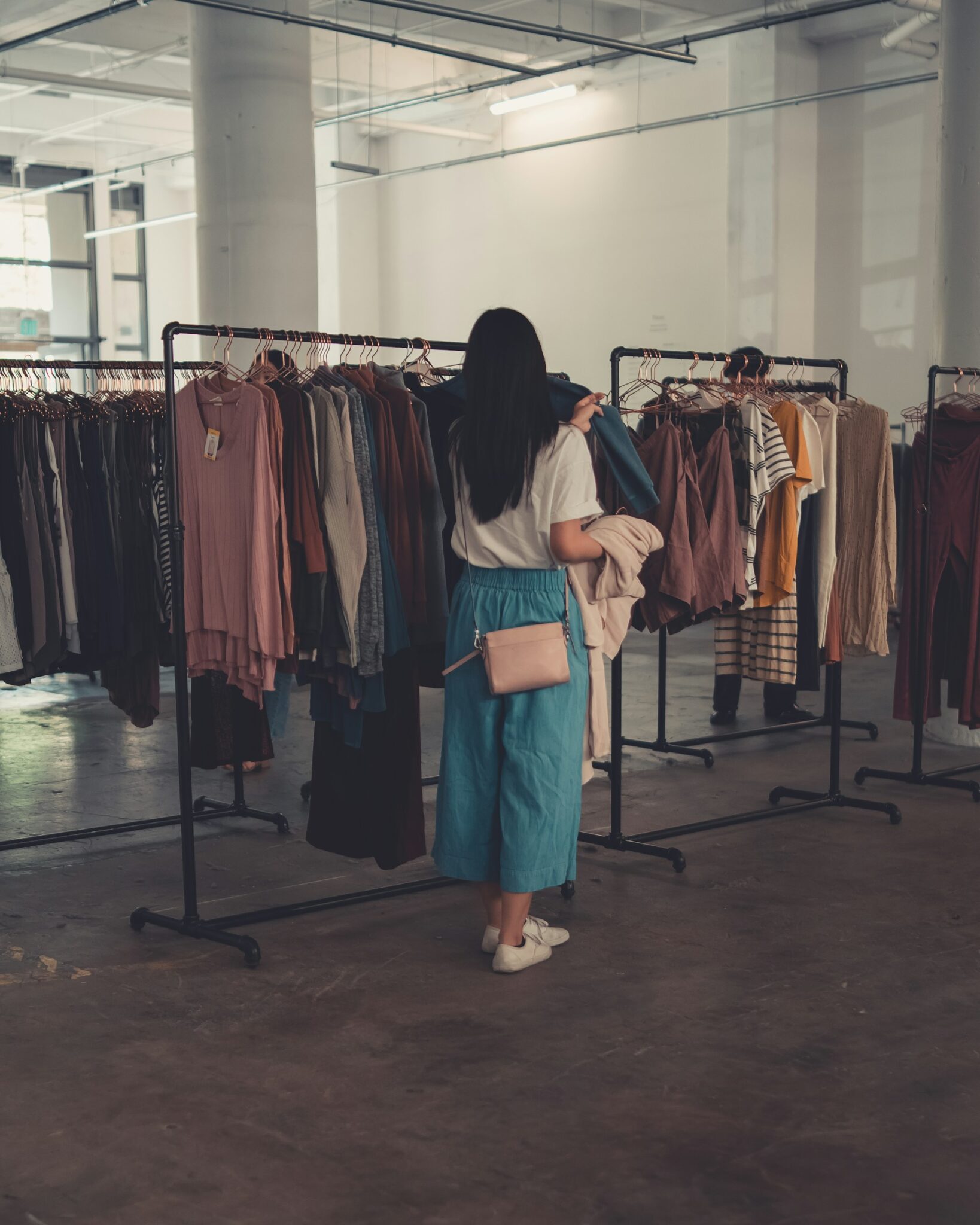
I used to browse clothing racks pretty quickly, looking only at what was immediately visible. Now I pay closer attention to the ends of racks, items pushed toward the back, and even clothing hanging awkwardly or tucked between other pieces.
Some of the better finds aren’t displayed neatly or placed where you’d expect them. I’ve learned that spending an extra minute checking those overlooked spots can be worthwhile, especially when searching for quality fabrics or recognizable brands.
Related: 15 Survival Items You Can Find at Thrift Stores
3. I Try to Shop When the Store Is Less Crowded
I love a good thrift store, but I don’t particularly enjoy squeezing through crowded aisles or waiting for someone to finish looking through a rack. That’s why I prefer shopping during the week whenever possible.
I find that weekday visits give me more room to browse and inspect things without feeling rushed. It doesn’t necessarily mean the inventory will be better, but I can take my time and pay attention to things I might otherwise overlook.
4. I Check the Fabric Label Before Getting Too Excited
I’ve learned not to judge clothing by appearance alone. A sweater might look beautiful on the hanger, but the fabric label can tell me whether it’s something I actually want to wear and how much care it might require.
I pay particular attention to natural materials like cotton, linen, wool, and silk, along with genuine leather when shopping for bags or jackets. I’m not opposed to synthetic fabrics, but knowing what something is made of helps me recognize quality and decide whether the price is reasonable.
Related: 14 Prepper Items to Buy at the Thrift Store
5. I Make Regular Visits, Even When I’m Not Looking for Anything
One thing I’ve learned about thrifting is that consistency pays off. Inventory changes constantly, and just because I didn’t find anything worthwhile on Monday doesn’t mean there won’t be something great waiting on Wednesday.
I try to stop in regularly, even if I only have 15 or 20 minutes to spare. I’ve also learned not to force a purchase just because I made the trip. Sometimes I leave empty-handed, and that’s perfectly fine.
6. I Browse Departments I Didn’t Come to Shop
One of my favorite things about thrift stores is that you never really know where you’ll find something worthwhile. I’ve learned not to limit myself to the clothing section just because I came in looking for a jacket.
I’ll usually make my way through shoes, handbags, housewares, books, and home décor, even if I’m not actively shopping for those things. Items get misplaced all the time, and I’ve come across some great finds in sections I almost skipped.
7. I Look at How Something Was Made, Not Just the Brand
A recognizable label might catch my attention, but it doesn’t automatically mean something is worth buying. I’ve found that checking the actual construction tells me much more about the quality of an item.
With clothing, I look at stitching, seams, hems, buttons, and zippers. For furniture, bags, and shoes, I pay attention to materials, hardware, and how well everything is put together. Sometimes an unfamiliar brand turns out to be much better made than something with a popular designer name.
8. I Give Everything One Last Inspection Before Checking Out
I’ve made the mistake of getting excited about a thrift store find, bringing it home, and then noticing a stain, hole, or broken zipper I somehow missed. These days, I make a point of inspecting everything before I head to the register.
I check clothing under good lighting, look closely at areas that tend to show wear, and make sure zippers, buttons, and other parts work properly. I’m willing to overlook a minor flaw if the price is right and I know I can fix it, but I want to make that decision before spending my money.
9. I Look Up Prices Before Assuming Something Is a Good Deal
One habit I wish I’d started years ago is checking what something actually sells for before getting too excited about the thrift store price. Just because an item has a designer label or a price tag that seems low doesn’t automatically mean it’s a bargain.
If I’m unfamiliar with a brand or come across something that looks valuable, I’ll do a quick search on my phone to compare prices. I especially like checking sold listings on eBay because they give me a better idea of what people are actually paying rather than what sellers are hoping to get.