More people are taking emergency preparedness seriously after seeing how quickly everyday life can be interrupted by severe weather, power outages, supply shortages, and other unexpected events. Having food, water, and basic supplies at home can make a difficult situation easier to manage.
But buying emergency gear doesn’t automatically mean you’re ready. You might have shelves full of supplies and still be missing important items, practical skills, or a workable plan for your household.
Some mistakes are easy to overlook. You might keep buying things without checking what you already own, pack so much into your emergency bag that you can’t carry it comfortably, or store equipment you’ve never learned to use.
Here are 15 prepping habits worth changing before an emergency puts your plans to the test.
1. Buying Supplies Without Keeping an Inventory
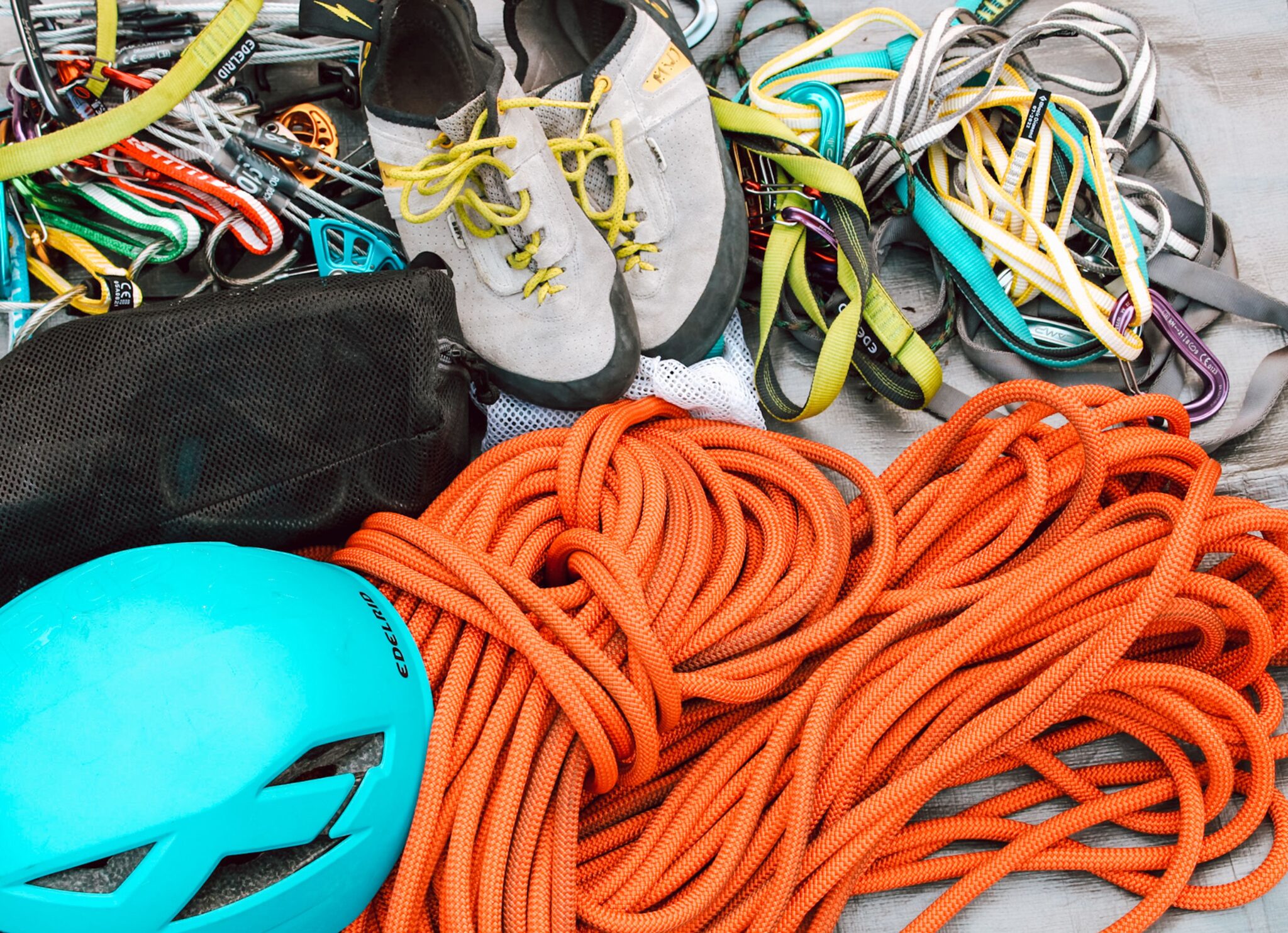
Buying whatever catches your eye can leave you with a garage full of supplies and no clear idea of what you actually have. Make a list of your food, water, medical supplies, tools, batteries, and other emergency gear so you can see what’s missing and avoid buying duplicates.
Think about your household’s needs, the emergencies common in your area, and the storage space you have available. There’s little point in buying several cases of something you rarely use while overlooking an item your family relies on.
Related: 15 Costly Mistakes Even Experienced Preppers Make
2. Stockpiling Gear Without Learning How to Use It
A shelf full of survival equipment won’t help much if you don’t know how it works. Take time to practice useful skills such as starting a fire, treating water, giving basic first aid, cooking without electricity, and using hand tools.
Try each skill more than once so you aren’t figuring it out for the first time during an emergency. Knowing how to use what you own can be more useful than adding another gadget to your collection.
3. Ignoring Your Physical Fitness
You don’t have to be an athlete to prepare for an emergency, but being able to walk, lift, and move around comfortably can make a difference. Spending most of your day sitting down could make an evacuation on foot or a long walk with a loaded backpack much harder than expected.
Regular walks, basic strength exercises, and stretching can help you build stamina over time. Start at a comfortable level and choose activities you can keep doing as part of your normal routine.
Related: 14 Common Mistakes That Make Buyers Lose Interest
4. Depending Too Much on Technology
Smartphones, GPS devices, weather apps, and online maps are useful, but they may stop working during a major outage. Dead batteries, damaged cell towers, and internet disruptions can leave you without information when you need it most.
Keep paper maps, a compass, printed emergency contacts, flashlights, and manual tools as backups. Technology can still be part of your plan, but you should have another way to handle basic tasks if it fails.
5. Forgetting to Check Expiration Dates
A stockpile can lose much of its value if food and other supplies have expired or deteriorated in storage. Check your shelves every few months and move older food to the front so you use it before newer purchases.
Use the same routine for batteries, hygiene products, first aid supplies, and anything else with a limited storage life. Replace items when needed rather than assuming they’ll be ready whenever an emergency happens.
6. Making an Evacuation Plan Without Practicing It
Writing down an evacuation plan is a good first step, but your family needs to know what to do when it’s time to leave. Practice getting out of the house, choosing alternate routes, deciding where to meet, and gathering the supplies you plan to take.
Include children, older relatives, and pets in the practice run. You may discover that your chosen route is inconvenient, your emergency bag is too heavy, or someone in the household needs extra help.
Related: 16 Companion Planting Mistakes You’re Probably Making
7. Storing Water in the Wrong Containers
Filling a few containers and leaving them in the garage isn’t always a safe way to store emergency drinking water. Use food-grade containers made for water storage, keep them away from direct sunlight and chemicals, and follow the manufacturer’s instructions for cleaning and replacement.
Avoid using old milk jugs or other containers that weren’t made for long-term water storage because they can break down or leak. It’s also wise to have a reliable way to treat additional water if your stored supply runs out.
8. Preparing Only for Short Emergencies
A plan for a 24-hour power outage may not be enough if services remain unavailable for several days. Think about how your household would handle food, drinking water, sanitation, lighting, cooking, communication, and other daily needs during a longer disruption.
Start with the emergencies most likely to affect your area, such as storms, flooding, wildfires, or extended power outages. You can build your supplies over time rather than trying to prepare for every possible disaster at once.
9. Overlooking Stress and Mental Health
An emergency can make ordinary decisions feel much harder, especially when you’re tired, worried, or unsure what will happen next. Practicing basic procedures, keeping supplies organized, and having a family communication plan can reduce some of that confusion.
Your everyday habits matter, too, so make time for sleep, physical activity, and staying connected with people you trust. Preparedness involves being able to think through problems under pressure, not just owning the right equipment.
Related: 13 Critical Reasons to Start Prepping Today
10. Packing Too Much in Your Bug-Out Bag
Your emergency bag shouldn’t feel like you’re carrying your entire house on your back. Go through its contents and remove items you don’t need, anything that duplicates another tool’s purpose, and gear that’s heavier than necessary.
The often-mentioned guideline of keeping a backpack around 10% of your body weight can offer a starting point, but it isn’t right for everyone. Your age, fitness, health, distance, terrain, and situation all affect how much weight you can safely carry.
11. Trying to Prepare Entirely on Your Own
You don’t have to handle every emergency task by yourself. A neighbor might know how to repair an engine, another person may have first aid training, and someone else might be skilled at gardening or preserving food.
Get to know the people in your neighborhood and learn what skills they can share. Having people you can check on and ask for help can make a difficult situation easier for everyone.
12. Waiting for a Major Disaster to Practice
You don’t need to wait for a major disaster to find out whether your supplies and plans work. A dead car battery, burst pipe, winter storm, or extended power outage can give you a chance to use the equipment and skills you’ve been preparing.
Keep a flashlight somewhere you can reach it, learn where your home’s water shutoff is, and stay on top of vehicle maintenance. Small everyday situations can reveal gaps in your plans before a larger emergency comes along.
13. Owning a First Aid Kit Without First Aid Training
Having a first aid kit is a good start, but the supplies won’t do much if you don’t know how to use them. A basic first aid or CPR course can teach you how to respond to common injuries and medical emergencies.
Practice the skills covered in your training and keep a printed first aid reference with your supplies. Make sure you know where the bandages, gloves, splints, and other items are stored before you need them.
14. Forgetting to Include Pets in Your Plans
Pets need their own emergency supplies, too, and they shouldn’t be an afterthought. Keep extra food and water, medications, leashes, carriers, waste bags, and copies of veterinary records in a place where you can reach them quickly.
Find out which shelters, hotels, or relatives could take your animals if you have to leave home. Some evacuation centers and accommodations don’t accept pets, so having a backup plan can save time and stress.
And let’s be honest: if you’re leaving home in an emergency, Fido or Fluffy will probably be coming along.
15. Putting Off Preparedness Until Later
It’s easy to keep saying you’ll buy extra supplies next month, take a first aid class when work slows down, or write an emergency plan when you have more time. The trouble is that an unexpected event won’t wait for your schedule to clear.
Start with a few manageable tasks, such as buying a flashlight, storing extra water, checking your first aid kit, or writing down emergency contacts. You can build on those steps each week instead of waiting for one perfect weekend to get everything done.