Remember walking into Grandma’s house, and everything seemed to be in its place? The furniture was cared for, the house smelled fresh, and even the things you couldn’t see were probably spotless. Somehow, she managed it all without the fancy cleaning gadgets and products we have today.
A lot of it came down to simple routines. Our grandparents grew up when caring for what you owned mattered, and household chores were just part of everyday life. Modern conveniences have made some of these tasks unnecessary, but others are worth bringing back.
Here are 10 old-fashioned household habits many of us have forgotten.
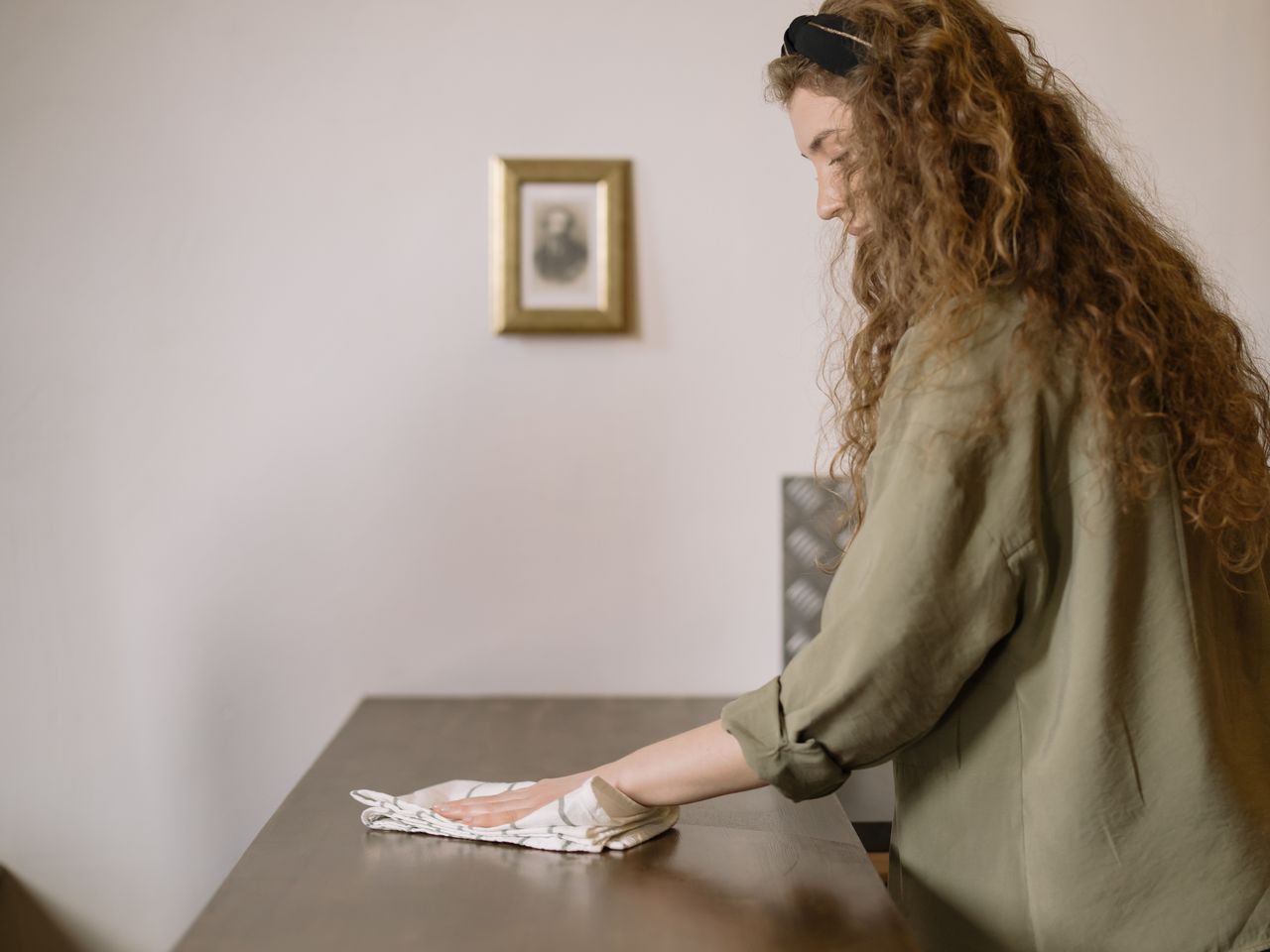
1. Polishing the Furniture
Grandma didn’t just run a duster across the coffee table and call it a day. They regularly cleaned wooden furniture and, when appropriate for the finish, polished it to keep it looking nice and well-maintained.
Back then, buying new furniture wasn’t always an option, so people took care of what they had. Today, many of us barely think about furniture maintenance until something starts to look worn.
2. Airing Out the House
Before air fresheners, plug-ins, and scented candles became household staples, people often opened windows to freshen a home. Grandma would let the breeze move through the rooms, especially after cooking or cleaning.
Fresh outdoor air can clear lingering odors and reduce stuffiness when conditions are right. It’s a simple habit that costs nothing, yet many of us rarely think to do it anymore.
3. Washing and Hanging Clothes on a Line
Long before tossing everything into the dryer became second nature, people often hung laundry outside to dry. Grandma would pin sheets, towels, and clothes onto a clothesline and let the sunshine and breeze do the work.
Line drying saved electricity, reduced wear from tumble drying, and left sheets smelling fresh without scented dryer sheets. It’s still a practical way to save money, although it takes a little more time and planning.
4. Cleaning Under the Beds and Furniture
Grandma wasn’t satisfied with cleaning only the areas everyone could see. Sweeping or vacuuming underneath beds, couches, and other furniture was part of keeping the entire house tidy.
These forgotten spaces can collect dust, hair, and all sorts of things that somehow disappear under furniture. Regularly giving them attention can make a difference, especially in homes with children or pets.
5. Mending Clothes Instead of Throwing Them Away
A missing button or small tear didn’t mean a piece of clothing was headed for the trash. Grandma kept a sewing kit nearby and could quickly repair a loose seam, patch a hole, or fix something that no longer fit quite right.
Today, inexpensive clothing makes replacing things tempting, but basic sewing skills can still save money. Sometimes a five-minute repair is all it takes to get another year out of something you already own.
6. Wiping Down Baseboards and Door Frames
Grandma paid attention to the little details that are easy to overlook during a quick cleaning session. Baseboards, door frames, and light switches were wiped down before layers of dust and fingerprints had a chance to build up.
These chores don’t necessarily need doing every week, but regular attention can make rooms look noticeably cleaner. It’s surprising how much grime collects in places we walk past every day.
7. Ironing Clothes and Household Linens
Ironing used to be a regular part of laundry day, and it wasn’t limited to dress shirts. Grandma might iron pillowcases, tablecloths, cloth napkins, and even everyday clothing before putting everything away.
Wrinkle-resistant fabrics and dryers have made much of that work unnecessary, but freshly pressed linens still have a certain appeal. Of course, most of us probably aren’t interested in spending an entire afternoon ironing.
Related: 15 Home Skills Every Child Should Learn Before Growing Up
8. Cleaning and Caring for Shoes
Grandma knew that a little cleaning, polishing, and occasional repair could keep a good pair of shoes looking presentable for years. Leather shoes were especially worth maintaining because proper conditioning helped prevent the material from drying out. It’s a useful habit to reconsider, particularly when a quality pair of boots or shoes costs so much to replace.
9. Keeping the Refrigerator Clean and Organized
Grandma didn’t wait until something started smelling funny to clean out the refrigerator. Leftovers were checked, shelves were wiped down, and food was organized so things didn’t get pushed to the back and forgotten.
Older refrigerators also required more hands-on maintenance, including defrosting the freezer. While modern appliances have eliminated some of that work, a regular fridge cleanout can still help reduce food waste and prevent unpleasant surprises.
10. Taking Care of Small Repairs Before They Became Big Problems
Many grandparents understood that ignoring a small problem could eventually make it more expensive to fix. They often handled loose buttons, wobbly furniture, squeaky hinges, and other minor household issues before they became bigger headaches.
Instead of replacing something right away, they looked for ways to repair it or make it last longer. That practical approach saved money and helped households get more use out of the things they already owned.