A bandana may look like an ordinary piece of cloth, but it can serve plenty of purposes outdoors or during an emergency. It’s lightweight, folds into a pocket, and can come in handy for first aid, carrying small items, staying cool, and handling everyday camp tasks.
Keeping a few bandanas in your emergency bag, vehicle kit, or camping supplies gives you a spare material for jobs you might not expect. Here are 28 ways to put one to use, along with a few safety tips to keep in mind.
1. Filter Water
A bandana can strain out leaves, sand, and other visible debris before you boil or treat water for drinking. It does not remove germs or harmful chemicals, so follow a reliable water-treatment method before drinking water collected outdoors.
Related: 24 Clever Ways to Turn Old Clothes Into Something Useful
2. Make a Temporary Arm Sling
A folded bandana can support an injured arm by holding the forearm close to the body while you seek medical care. For serious bleeding, apply firm, direct pressure and use a commercial tourniquet when indicated and available rather than relying on a bandana and stick as a makeshift device.
3. Make Char Cloth
A small scrap of 100% cotton fabric can be charred in a suitable metal container to make material that catches sparks from flint and steel. This requires an open-air setting, careful fire handling, and patience until the material has cooled completely before use.
Related: 15 Simple Ways to Turn Unwanted Household Items Into Cash
4. Use It as a Signal Flag
A brightly colored bandana can make your location easier to spot when you’re trying to attract attention outdoors. Tie it somewhere visible or wave it in an open area, and avoid leaving fabric markers along trails unless doing so helps rescuers or your group follow an agreed route.
5. Protect Yourself From the Sun
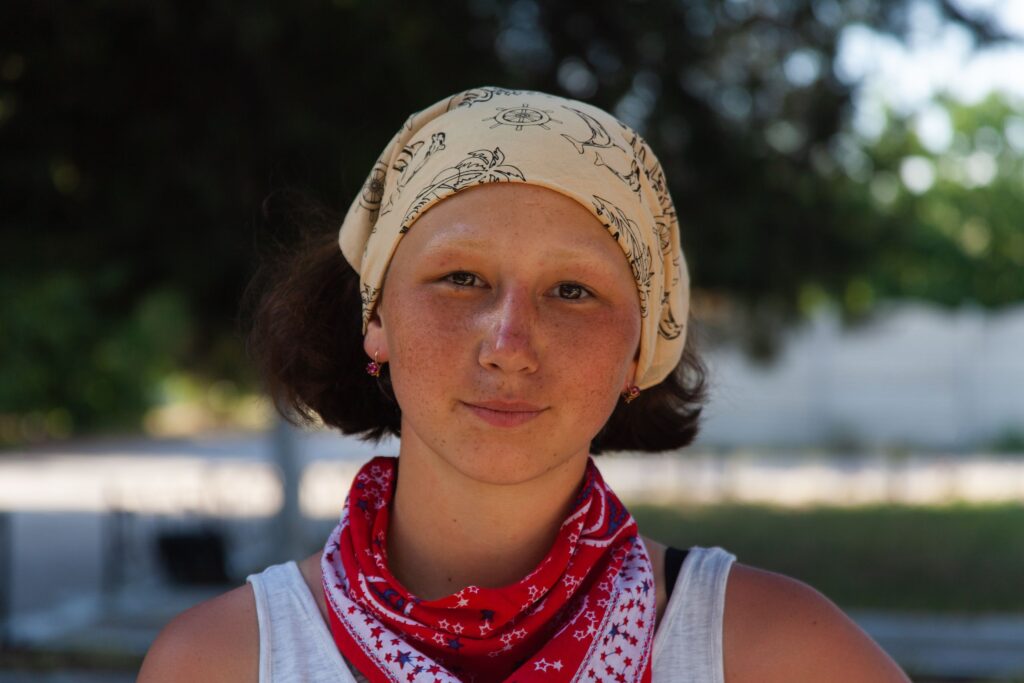
Wearing a bandana over your head or around your neck can cover some skin and reduce direct sun exposure. Pair it with sunscreen, suitable clothing, and shade during hot weather rather than relying on the fabric alone.
6. Cover Your Nose and Mouth From Dust
A bandana can keep some larger dust particles away from your face and provide a little warmth in cold weather. It does not provide reliable protection from wildfire smoke, fine particles, or hazardous fumes, so use an appropriate respirator and leave the hazardous area when possible.
Related: 14 Responsible Ways to Declutter Your Books Without Throwing Them Away
7. Apply Pressure to a Wound
A clean bandana can help apply pressure over a wound while you wait for medical supplies or assistance. Use sterile gauze or a proper dressing when available, and seek emergency care for severe bleeding rather than depending on cloth alone.
8. Carry Small Items
Tie the corners of a bandana together to make a temporary pouch for small gear, kindling, or other lightweight belongings. It can also hold gathered berries or plants, but collect only items you can identify with certainty as safe to handle or eat.
9. Make Temporary Cordage
Tearing a bandana into strips or braiding narrow pieces can create short ties for bundling lightweight supplies or securing small items around camp. This improvised cordage is not suitable for climbing, supporting body weight, or holding heavy shelter structures.
10. Make a Basic Stone Sling
A bandana can be folded into a simple sling for throwing small objects, but using one accurately takes practice and can injure people or animals. Don’t rely on it for self-defense or hunting, since safer signaling and established survival tools are better choices in most emergencies.
Related: 18 Easy Ways to Keep Your Home Smelling Fresh With Pets
11. Handle Warm Cooking Equipment
A dry bandana folded into several layers may offer brief protection when handling a mildly warm object around camp. Thin fabric can transfer heat quickly, so use a proper pot holder or heat-resistant gloves for hot cookware and keep cloth away from open flames.
12. Make a Cooling Wrap
Soak a bandana in cool water and place it around your neck or on your forehead for some relief during hot weather. Move to a cooler location and use additional cooling measures if you notice signs of heat illness, rather than relying on the cloth alone.
13. Cushion a Backpack Strap
Fold a bandana and place it beneath a backpack strap or another piece of gear that rubs against your skin. This can reduce irritation during a long walk, though you should adjust the strap itself if it continues to pinch or cause pain.
14. Reduce Rubbing on Sore Spots
A clean, folded bandana can serve as temporary padding where clothing or gear rubs against your skin. For blisters or open sores, use a proper blister dressing or clean wound covering when available, and avoid wrapping the area tightly.
15. Scoop Small Items From Shallow Water
A bandana can be stretched between your hands or held by its corners to scoop lightweight objects from shallow water. It won’t work like a proper fishing net, and any fishing or bait collection should follow local rules.
16. Cover Bright or Shiny Gear
A neutral-colored bandana can cover reflective or brightly colored equipment when you want it to blend in better with the surrounding environment. It won’t make an object invisible, so don’t depend on fabric camouflage for safety around wildlife or other people.
17. Make a Temporary Cloth Diaper
A clean bandana can serve as an emergency cloth diaper for a baby if regular supplies run out, provided the fabric is large enough and folded securely. Change it frequently, wash it thoroughly before reuse, and keep soiled fabric away from food and clean supplies.
18. Help Tie Together Shelter Materials
Bandana strips can bind lightweight sticks or help keep small pieces of shelter material together. They are too short and weak for many structural jobs, so use proper cordage for load-bearing supports or anything that must hold against strong wind.
19. Make a Warm Compress
Soak a clean bandana in warm water and use it as a temporary compress for mild muscle discomfort. Check the temperature before placing it on the skin, since overly hot fabric can cause burns.
20. Use It as a Cleaning Cloth
A bandana can work as a reusable napkin, hand cloth, or rag for wiping down camp equipment and other surfaces. Keep separate cloths for food-related tasks and dirty cleaning jobs, and wash them thoroughly before using them again.
21. Wrap a Water Bottle
Wrapping a bandana around a water bottle can improve your grip, reduce scratching, or cushion the bottle against other items in a backpack. It provides little insulation, so don’t count on it to keep water cool for long periods.
22. Soften Light Around Camp
A pale bandana can be placed nearby to reflect a little light around a campsite or help reduce glare from a small light source. Never wrap fabric tightly over a headlamp or lantern, and keep cloth well away from hot surfaces, flames, and equipment that needs ventilation.
23. Cover Your Neck From Insects
Wearing a bandana around your neck can cover some exposed skin and provide a small physical barrier against insects. Pair it with an approved insect repellent and other recommended precautions, since fabric alone won’t reliably prevent bites.
24. Keep Fishing Bait Together
A bandana can hold bait containers, hooks stored safely, or other small fishing supplies in one place while you’re outdoors. Avoid tying loose food scraps into the cloth and leaving them underwater, since it may be ineffective and could violate local fishing rules.
25. Make a Temporary Belt
If a belt breaks, a bandana can be tied around your waist to help keep lightweight clothing in place. It may not hold as firmly as a proper belt, so tie it securely and avoid using it to support heavy equipment.
26. Wipe Away Sweat or Dry Small Items
A bandana works well for wiping sweat from your face, drying your hands, or cleaning small pieces of gear during outdoor activities. Keep one clean and dry for personal use, and carry a spare if you expect to handle wet or dirty tasks.
27. Help Hold a Splint in Place
Bandana strips can help secure a padded splint around an injured arm or leg while you arrange medical care. Tie them firmly enough to support the injured area without restricting circulation, and seek professional help for suspected fractures or serious injuries.
28. Tie Back Your Hair
A bandana can keep long hair away from your face while cooking, working with tools, or preparing a campsite. Tie it securely and keep loose fabric and hair away from flames, rotating machinery, and other hazards.