When people talk about emergency preparedness, food and drinking water usually get the most attention. Those supplies matter, but a prolonged blackout, storm, or other disaster can make ordinary tasks like cooking, cleaning, staying warm, and handling minor repairs much harder.
A few practical household items can make a long disruption easier to manage. Here are 14 supplies to keep on hand before you need them, along with tips for storing and using them safely.
1. A First Aid Kit
Keep bandages, gauze, medical tape, antiseptic wipes, tweezers, scissors, and other basic wound-care supplies in one easy-to-reach kit. Include suitable over-the-counter medicines, check expiration dates regularly, and keep track of prescription medications so you can request refills before your supply runs low.
Related: 10 Canned Beans Every Emergency Pantry Should Have
2. Fire-Starting Supplies
Waterproof matches, disposable lighters, and ferrocerium fire starters can come in handy if you need to start a fire safely outdoors or use equipment for emergency cooking. Store a few options in a dry place, and learn how to use them safely before an emergency.
3. Flashlights and Lanterns
Keep several flashlights or battery-powered LED lanterns around the house so you can find one without fumbling through drawers in the dark. Rechargeable lights, spare batteries, and solar-powered options give you several ways to keep your lighting working during a prolonged outage.
Related: 20 Survival Basics Everyone Should Practice Before an Emergency
4. A Basic Hand Tool Kit
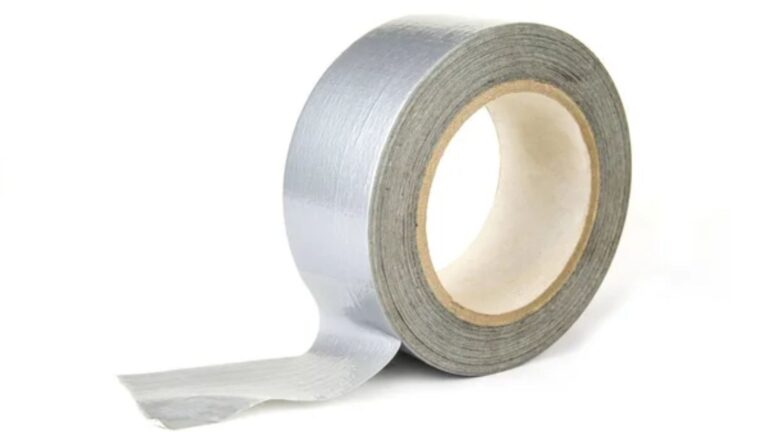
A hammer, screwdrivers, pliers, adjustable wrench, utility knife, assorted screws, nails, and duct tape can help with many minor household repairs. Hand tools are especially useful during a blackout because they don’t depend on electricity or charged batteries.
5. Paracord
Paracord takes up little room and can secure tarps, tie down equipment, bundle supplies, or hang lightweight items. Keep a few lengths in your emergency kit, vehicle, and outdoor gear, and avoid relying on ordinary paracord for climbing or supporting a person’s weight unless the product is specifically rated for that purpose.
Related: 10 Pantry Canned Foods That Belong in Every Emergency Stockpile
6. Water Treatment Supplies
Store enough drinking water for your household, and keep water purification tablets or a suitable portable filter on hand in case you need to treat additional water. Check the manufacturer’s instructions before buying a treatment method, since some filters don’t remove viruses or chemical contaminants and treated water must come from an appropriate source.
If you collect rainwater where permitted, a collection system may provide another source for certain household needs, but it requires proper treatment before the water is safe to drink. This guide to hidden water sources offers more ideas to research before an emergency.
7. Tarps and Plastic Sheeting
Tarps can cover firewood, protect equipment from rain, provide shade, or serve as temporary shelter when conditions allow. Plastic sheeting can also protect belongings from water or temporarily cover damaged areas, but leave roof repairs to qualified people when conditions make the work dangerous.
We keep several tarps around the homestead because they come in handy for all sorts of outdoor chores. Store them dry and check for tears before packing them away with your emergency supplies.
8. Paper Maps and a Compass
Paper maps of your local area can help if your phone runs out of battery, loses signal, or can’t access digital maps. Pair them with a compass and practice using both before you need them, since carrying navigation equipment won’t help much if you don’t know how it works.
9. Fire Extinguishers
Keep an appropriate fire extinguisher in an accessible location near the kitchen and in other areas where you might need one. Check its condition and service information regularly, and make sure everyone in the household knows where it is and how to operate it safely.
10. An Emergency Radio and Offline Entertainment
A battery-powered, hand-crank, or solar emergency radio can provide weather alerts, evacuation notices, and local news when internet access or cell service is unavailable. Keep spare batteries or another charging option nearby, and store books, playing cards, puzzles, or simple games to help pass the time during a long outage.
Related: 15 Survival Plants You Can Turn Into Flour in an Emergency
11. A Multi-Tool
A multi-tool can combine small pliers, screwdrivers, scissors, a knife, and other handy features in one compact item. Keep one with your emergency supplies for minor repairs, cutting cord, and opening packages, and choose a model with tools you’ll realistically need.
12. A Sewing Kit
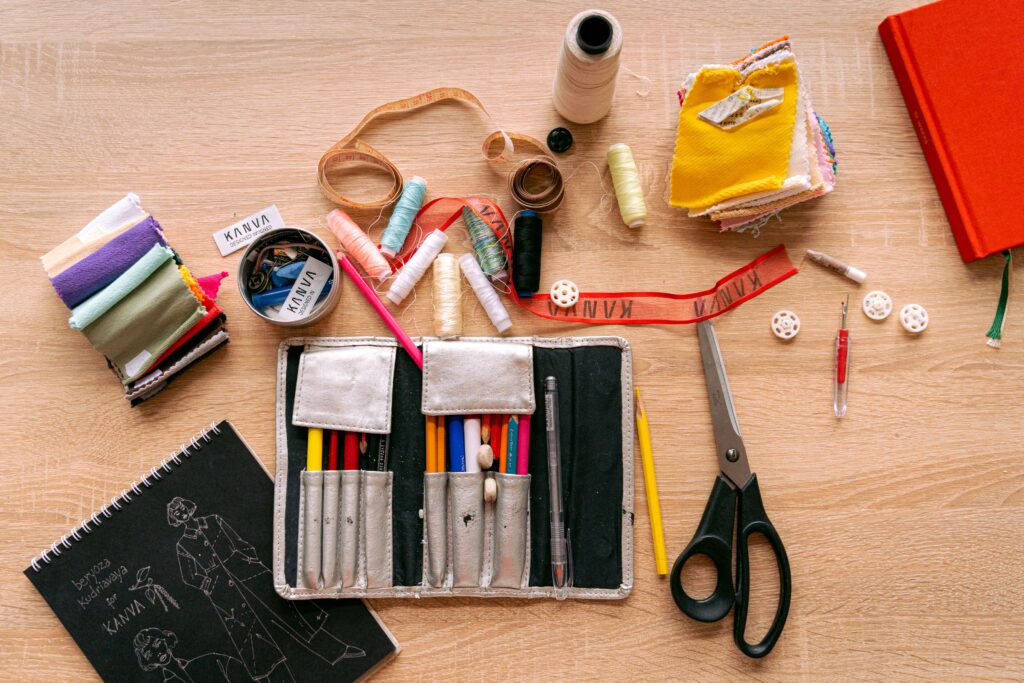
A small sewing kit with needles, thread, spare buttons, safety pins, scissors, and patches can help repair clothing, blankets, bags, and other fabric items. Even basic sewing skills can keep useful belongings in service longer and save you from needing a replacement for a small tear or loose button.
13. Food Preservation Supplies
If you grow produce or buy food in bulk, canning jars, suitable lids, and other preservation supplies can help you store food for later. Learn safe canning methods before relying on home-preserved food, including the correct method for each food type, and follow current tested instructions rather than guessing at processing times.
14. Personal Hygiene Supplies
Keep extra soap, shampoo, toothpaste, toilet paper, paper towels, feminine hygiene products, diapers, and other items your household uses regularly. A few weeks’ supply can make a long disruption more comfortable, especially if stores are closed or travel is difficult.