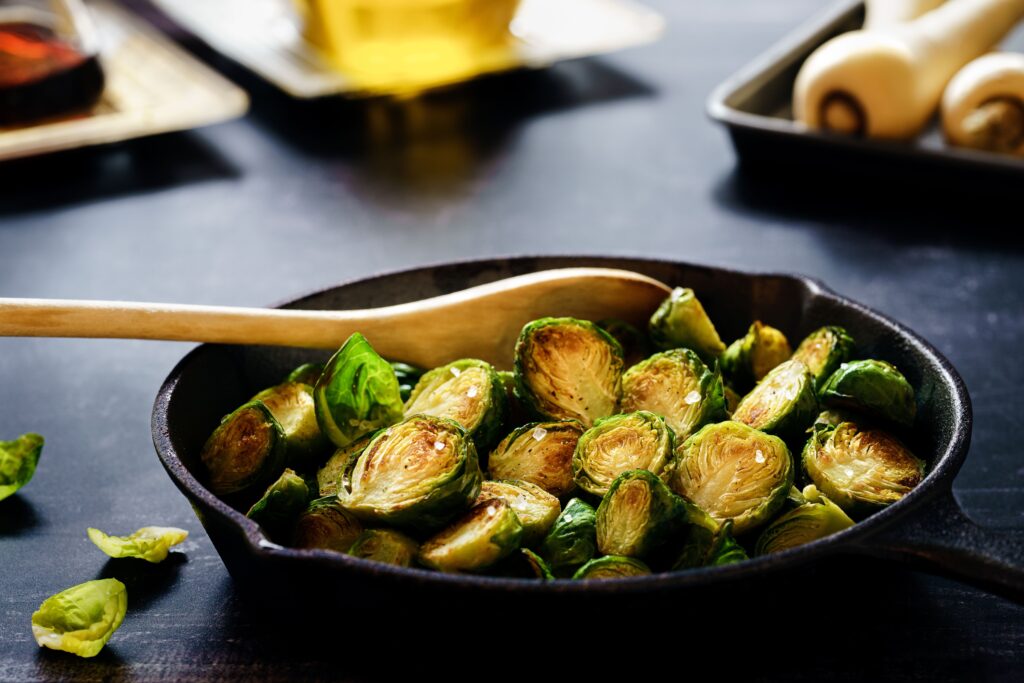
Cast iron skillets have earned a loyal following for good reason. They’re durable, hold heat well, and can last for generations with proper care.
Still, cast iron has a few downsides that can make everyday cooking harder for some people. Before buying a skillet or reaching for one every time you cook, here are ten drawbacks worth knowing.
1. They’re Heavy
Cast iron skillets can feel heavy even before you add food, and lifting a full pan may be difficult for some home cooks. Flipping ingredients, draining grease, and pouring food onto a plate can take extra care because the pan is so weighty.
Related: 15 Ways To Clean a Cast Iron Skillet
2. They Need Regular Care
Cast iron needs a little more upkeep than many other types of cookware because its seasoning protects the surface and helps prevent rust. You’ll need to dry it after washing and apply a thin layer of cooking oil as needed to keep the seasoning in good shape.
3. Acidic Foods Can Be Tricky
Long simmering sessions with tomato sauce, vinegar, or other acidic ingredients can wear down the seasoning on some cast iron pans. Food may also pick up a metallic taste, so stainless steel or enamel-coated cookware is often a better choice for these recipes.
Related: Never Do This to Your Cast Iron Skillet
4. They Take Time to Heat
Cast iron retains heat well, but it usually takes longer to warm up than thinner cookware. If you’re rushing to make breakfast or prepare a quick dinner, you’ll need to allow time for the skillet to heat evenly before adding food.
5. Rust Can Develop
Moisture left on cast iron can lead to rust, particularly if the pan is stored in a damp place. Light rust can often be removed, but restoring the skillet may require scrubbing, drying, and applying fresh seasoning.
Related: Are You Ruining Your Cast Iron Skillet? Avoid These Mistakes
6. They Don’t Belong in the Dishwasher
Dishwashers expose cast iron to prolonged moisture and strong detergents that can damage its seasoning and leave it prone to rust. Hand-washing with water and a little dish soap, followed by thorough drying, is a better way to care for the pan.
7. Delicate Foods Can Stick
A well-seasoned cast iron skillet can release food quite well, but it doesn’t behave like a nonstick pan. Eggs, flaky fish, and thin crepes may stick or break apart if the pan isn’t properly heated, the seasoning is poor, or too little cooking fat is used.
8. Oil Choice Matters
Cooking oils behave differently at high temperatures, and oils with lower smoke points can begin smoking before the pan reaches the heat you need. Choose an oil suited to your cooking temperature, and avoid leaving overheated oil in the skillet because burnt residue can be difficult to remove.
Related: How to Season a Cast Iron Skillet the Right Way
9. They Stay Hot for a Long Time
Cast iron holds heat long after the burner is turned down or switched off. This can cause delicate foods to keep cooking after you remove the pan from the stove, so transfer food to another dish when you need the cooking to stop.
10. They Can Scratch Glass Cooktops
Cast iron works on many types of stoves, including induction, but its weight and rough base can scratch glass or ceramic cooktops. Lift the skillet instead of sliding it across the surface, and lower it gently to reduce the risk of damage.