Hydrogen peroxide is an inexpensive household product that many people keep in a bathroom cabinet or under the kitchen sink. It has several uses around the home, from cleaning certain hard surfaces to helping with a few gardening tasks.
For anyone putting together an emergency supply kit, it’s worth knowing what hydrogen peroxide can and cannot do. The common 3% household solution has some practical uses, but it isn’t a substitute for proper first aid, safe drinking water, or products made for disinfecting hands and food.
Here are 17 ways to use hydrogen peroxide, along with a few safety tips to keep in mind.
Clean Certain Hard Surfaces
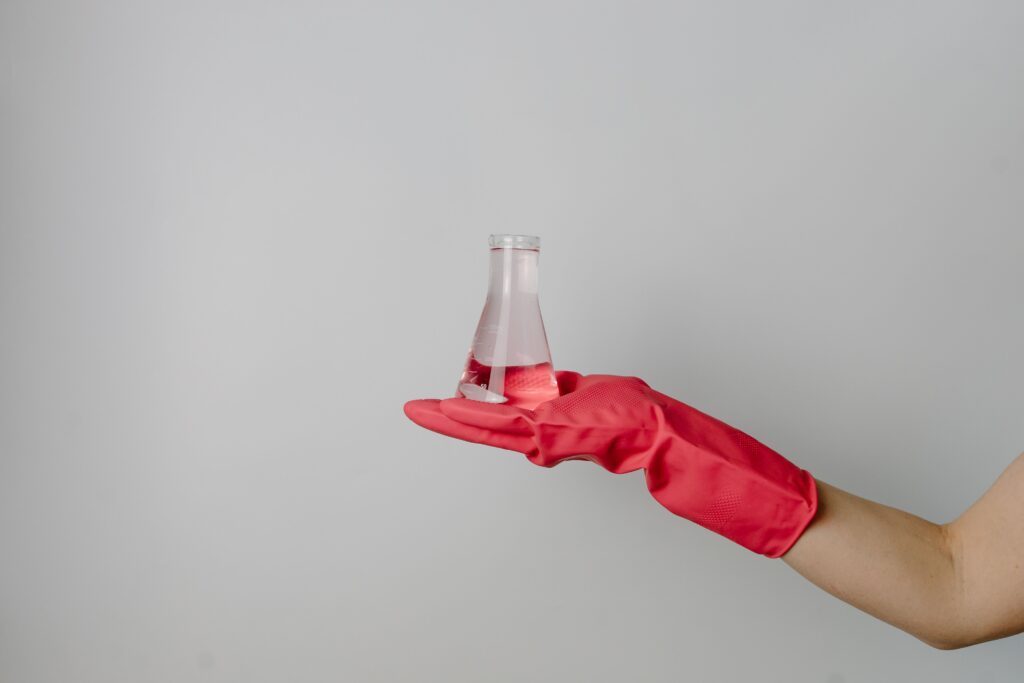
Hydrogen peroxide can be used on some hard, nonporous surfaces, including certain bathroom fixtures and kitchen surfaces. Check the product label, test an inconspicuous spot first, and never mix it with vinegar, bleach, or other cleaning products.
Related: 13 Unexpected Ways Rubbing Alcohol Can Help Around the House
Freshen Your Mouth
Some oral care products contain hydrogen peroxide in a concentration formulated for use in the mouth. Avoid rinsing with ordinary household hydrogen peroxide unless a dentist specifically advises you to do so, and never swallow it.
Related: 15 Surprising Ways Diatomaceous Earth Can Help Around the House
Understand Its Limits for Emergency Water Treatment
Hydrogen peroxide should not be used as a do-it-yourself method for making questionable water safe to drink. Boiling water or using an EPA-registered water treatment product according to its instructions is a more reliable option during an emergency.
Related: 13 Unexpected Ways Apple Cider Vinegar Can Help Around Your Home
Clean Kitchen and Bathroom Fixtures
Household hydrogen peroxide may help clean certain sinks, tiles, and other compatible hard surfaces. Check the label for contact time and surface restrictions, and rinse food-contact surfaces as directed before using them again.
Related: 10 Clever Ways to Use Mouthwash You May Not Have Considered
Deal With Some Household Odors
Hydrogen peroxide may help remove certain stains and odor-causing residues from compatible surfaces. Test it first on a hidden area, since it can bleach fabrics, damage some finishes, and discolor materials.
Keep Hands Clean During an Emergency
Soap and clean running water are the preferred way to wash your hands, especially before preparing food or after using the bathroom. If they aren’t available, use an alcohol-based hand sanitizer with at least 60% alcohol rather than household hydrogen peroxide.
Know Its Limits for Fungal Problems
Hydrogen peroxide isn’t a proven substitute for medication used to treat athlete’s foot or other fungal infections. Keep the affected area clean and dry, and use an appropriate antifungal product or ask a healthcare professional for advice if the problem persists.
Remove Mold From Suitable Hard Surfaces
Hydrogen peroxide may help clean mold from some nonporous surfaces, but it won’t solve the moisture problem that allowed the mold to grow. Fix leaks, dry the area thoroughly, and seek professional help for extensive mold growth or mold in porous materials.
Rinse Debris From the Eyes Safely
Never put household hydrogen peroxide in your eyes, even if you dilute it. If dust or debris gets into an eye, flush it with clean, lukewarm running water or sterile saline, and seek medical care if pain, redness, or vision problems continue.
Clean the Skin Around Insect Bites
For an ordinary insect bite, wash the area gently with soap and water and avoid scratching it. Hydrogen peroxide can irritate the skin, so a cool compress or an appropriate anti-itch product is a better choice for easing discomfort.
Clean Suitable Nonporous Gear
Some nonporous items, such as compatible hard plastic tools, may be cleaned with hydrogen peroxide when the product label permits it. Remove dirt first, follow the stated contact time, and remember that wiping an item with peroxide doesn’t automatically make it safe for food preparation or medical use.
Clean Reusable Water Bottles and Containers
Warm water and dish soap are usually enough to clean reusable bottles and food containers. If you need to disinfect one, check the manufacturer’s care instructions and use a product approved for that purpose, then rinse as directed before refilling it.
Be Careful With Earwax
Some ear drops contain hydrogen peroxide or a related ingredient to soften earwax, but household peroxide isn’t a good substitute for a product made for the ears. Avoid putting it in your ears if you have pain, drainage, an ear infection, ear tubes, or a possible eardrum injury unless a healthcare professional tells you otherwise.
Care for Poison Ivy Rashes
Hydrogen peroxide won’t remove the plant oils that cause poison ivy or poison oak reactions and may irritate already inflamed skin. Wash exposed skin and clothing promptly, use cool compresses or calamine lotion for relief, and seek medical care for severe reactions or breathing difficulties.
Keep Toothbrushes Clean
Rinse your toothbrush thoroughly with tap water after brushing and let it air-dry upright. Routine soaking in hydrogen peroxide isn’t necessary, and replacing a worn toothbrush is a better choice than relying on household chemicals to maintain it.
Wash Fresh Produce Safely
Wash fruits and vegetables under clean running water before eating or preparing them. Don’t use household hydrogen peroxide as a produce wash unless the product is specifically labeled for that use and its directions are followed.
Use Hydrogen Peroxide Carefully in the Garden
Some gardeners experiment with diluted hydrogen peroxide for seed preparation, but results vary by plant type and concentration. Too much can damage seeds or young roots, so follow reliable instructions for the particular seeds you’re growing rather than guessing at a mixture.
Keep It in Its Original Container
Hydrogen peroxide breaks down over time, particularly when exposed to light, heat, or contamination. Store it in its original, properly closed bottle, follow the label’s storage directions, and keep it away from children and pets.