
A lot of us have things tucked away that we haven’t used in years. Maybe it was a gift, something we bought on a whim, or an item we kept because we were sure we’d need it someday. Then months turn into years, and it’s still sitting in a drawer, closet, or cabinet.
The trouble is that clutter can sneak up on you. A few forgotten items here and there can eventually fill an entire shelf or drawer, leaving less room for the things you actually use.
A quick clear-out can make your home feel more comfortable and easier to manage. If you’re ready to free up some space, start with these 15 everyday items.
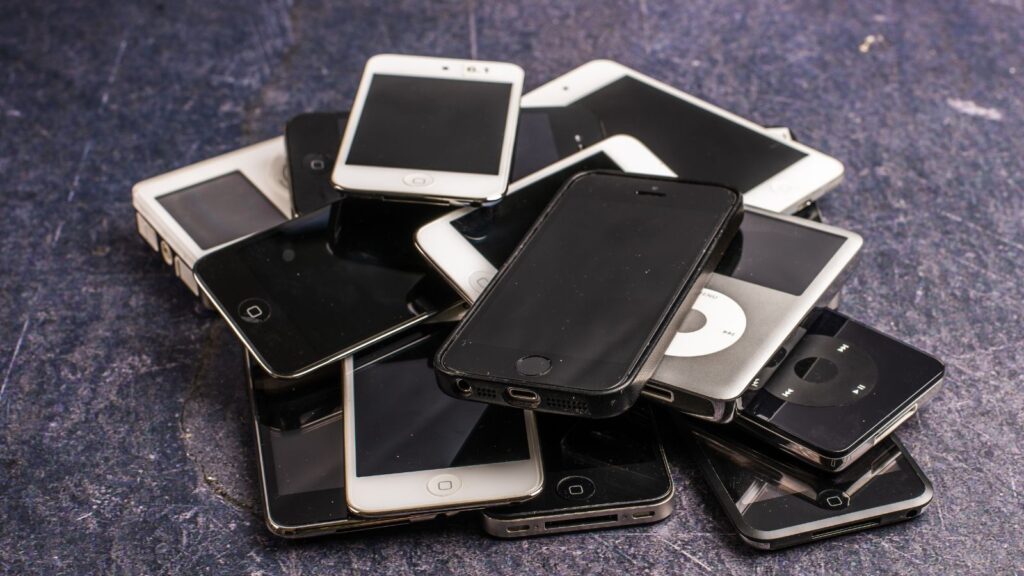
Old Cell Phones
Old cell phones have a way of collecting in drawers long after they’ve been replaced. Unless you have a specific reason to keep one as a backup, that outdated phone may just be taking up room.
Check with an electronics recycling center, retailer, or local recycling program to see how you can dispose of it properly. Before getting rid of the phone, remember to remove your SIM card and erase your personal data.
Damaged Appliances
Broken appliances that have been sitting around for months are easy to overlook. Maybe you planned to repair that toaster or replace a missing part for the blender, but never got around to it.
If an appliance is beyond repair or you have no plans to fix it, letting it go can free up valuable cabinet, counter, or storage space.
Related: Kitchen Appliance Checklist: 19 Essentials
Old Power Cords
A drawer full of mystery cords is a familiar sight in many homes. Some belong to devices you no longer own, while others are so old that you can’t remember what they were for.
Keep cords that you can identify and still use. The rest can usually go through an electronics recycling program. If you’re unsure about a cord, label the ones you keep so you don’t have to play the guessing game later.
Old Toothbrushes
An old toothbrush can be handy for cleaning grout, scrubbing small spaces, or polishing shoes. If you aren’t saving it for one of those jobs, there isn’t much reason to keep a pile of worn-out toothbrushes around.
Dental professionals commonly recommend replacing your toothbrush every three to four months, or sooner if the bristles become worn.
Related: How to Make and Use Beeswax Furniture Polish
Memorabilia
Keepsakes can be some of the hardest things to sort through. Old greeting cards, ticket stubs, receipts from trips, and other little reminders can carry plenty of memories, but a large collection can take over drawers and boxes.
Go through your keepsakes and pick out the pieces that mean the most to you. For things that no longer hold much meaning, recycling or tossing them can give you back a surprising amount of space.
Worn Loofahs and Sponges
Bath sponges, loofahs, and shower poufs can collect moisture and residue with regular use. Once they become worn, develop an odor, or show signs of mold, it’s time for a replacement.
If you prefer something you can clean more often, a washable cotton washcloth is a practical option. It can go straight into the laundry after use.
Expired Medicine
Medicine cabinets can easily become a storage spot for old pills, cold medicine, antacids, and vitamins. Check the dates and separate anything that has expired or that you no longer need.
Don’t pour unwanted medication down the sink or flush it unless the label or local disposal guidance says to do so. A pharmacy, medication take-back program, or other approved collection site may be able to take it.
Damaged Clothing
Clothes with permanent stains, large tears, stretched-out fabric, or unpleasant odors often stay in the closet because we hope we’ll find a use for them later.
If something has been sitting untouched for years, ask yourself whether you’re realistically going to repair or wear it. Clothing in good condition can be donated or sold, while badly damaged pieces may be better suited for textile recycling where available.
Related: 12 Ways to Get Smells Out of Clothes
Clothes That No Longer Fit
There’s nothing wrong with keeping a few special pieces for sentimental reasons. The problem starts when your closet is packed with clothes you haven’t worn in years because you’re waiting for them to fit again.
Pull out anything that no longer fits your current wardrobe or lifestyle. Donate pieces in good condition or sell them to make space for clothes you actually wear.
Free Stuff
Free doesn’t always mean useful. Tote bags, promotional T-shirts, travel mugs, and other giveaway items can pile up simply because they didn’t cost anything.
Keep the bags and items you use regularly. If you have a drawer or closet stuffed with extras, pick out a reasonable number and let the rest go.
Expired Skincare Products
Makeup and skincare products don’t last forever. Old products can change in texture, smell, or appearance, and some can become contaminated after repeated use.
Go through your collection and check for products that are expired, dried out, separated, or clearly past their best. Getting rid of them also makes it easier to see what you actually have.
Hotel Samples
Those tiny bottles of shampoo, conditioner, lotion, and other hotel samples can quickly turn into a whole collection. If you’ve had them sitting in a drawer for years, ask yourself how often you’re really going to use them.
Keep a few if they come in handy for travel. The rest can go, especially if they’ve changed color, smell strange, or are past their recommended use period.
Boxes
Moving boxes can be useful during a move, but keeping every cardboard box that enters your home can eat up a lot of storage space.
Save sturdy boxes if you have a realistic reason to use them soon. Broken, crushed, or unnecessary boxes can be recycled once you’ve finished unpacking.
Soap Scraps
Tiny pieces of soap tend to gather around the shower or bathroom sink. A few scraps are easy enough to use up, but eventually they can become a collection of slippery little pieces that nobody wants to handle.
If you have a method for combining soap scraps into a new bar, go for it. Otherwise, use the pieces until they’re gone or toss the ones that have been sitting around too long.
Dried-Up Wipes
Wipes can dry out surprisingly quickly if the package isn’t sealed properly. Once they’re stiff and dry, they’re usually no longer useful for their intended purpose.
There’s another reason to be careful with wipes labeled “flushable”: that label doesn’t mean they’re safe for every plumbing system. Many wipes can contribute to clogged pipes and sewer problems, so putting them in the trash is often the safer choice.
A little decluttering can make a noticeable difference, especially when you start with the small things that have been sitting around untouched. You don’t have to clear out your entire home in one afternoon. A drawer, cabinet, or shelf at a time can be enough to make your space feel less crowded.
Other Topics You Might Like
- 10 Strange Things That Are Surprisingly Smart to Stockpile
- How to Clean a Wood Cutting Board
- 15 Safe Ways to Clean a Cast Iron Skillet Without Ruining the Seasoning
- 12 Things Professional Organizers Would Never Store Under the Kitchen Sink
- 12 Small Habits That Make a Big Difference in Keeping Your Home Clean