This post may contain affiliate links.
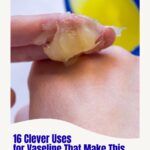
Vaseline has been sitting in medicine cabinets for generations, usually brought out for dry skin, chapped lips, or minor scrapes. But that little jar can be useful for plenty of jobs around the house, too.
Petroleum jelly can help with squeaky hinges, stubborn zippers, dull leather, and even some outdoor maintenance tasks. It won’t replace every household product, but it can be a handy thing to keep nearby.
Here are 16 practical ways to put Vaseline to work beyond skincare.

Lubricate Squeaky Hinges
A squeaky door can be surprisingly annoying, especially when it happens every time someone walks through it. A small amount of Vaseline can help lubricate the hinge and quiet the noise.
Apply a thin coating to the hinge pin or other moving parts, then open and close the door several times to work it in. Wipe away any excess so it doesn’t collect dust.
Related: 12 Unexpected Uses for Cornstarch Around the Home
Fix Minor Scratches on Wooden Furniture
Small scratches on wood furniture can stand out more than you’d expect. For very minor surface marks, petroleum jelly may help make them less noticeable.
Rub a small amount over the scratch and let it sit for a while. Then wipe away the excess with a clean cloth and buff the area gently.
For valuable antiques or finished wood, test it in an inconspicuous spot first.
Remove Water Marks
Those pale rings left by a cold glass or damp cup can be frustrating to see on a wooden table. Vaseline may help with some light water marks.
Apply a generous layer over the affected area and leave it for around 30 minutes. Wipe it away with a soft cloth and check the surface. Repeat if needed.
The result can vary depending on the type of wood and finish, so test a hidden spot first.
Related: 10 Survival Uses for Coffee Grounds Most People Overlook
Help Protect Minor Scrapes
Vaseline has long been used as a skin protectant for minor cuts and scrapes. A thin layer can help keep the area from drying out while the skin heals.
For a minor scrape, clean the area first, then apply a small amount of plain petroleum jelly. Keep the area covered if needed, and seek medical care for deep wounds, serious burns, signs of infection, or injuries that don’t heal normally.
Polish Your Leather Shoes
Leather shoes can lose some of their shine after regular wear. A small amount of Vaseline rubbed onto the surface with a soft cloth can give some leather items a temporary shine.
Work with a tiny amount and buff the leather afterward. Since petroleum jelly isn’t suitable for every type of leather or finish, test it on a hidden area before treating the whole shoe.
Vaseline isn’t the only homemade option for leather care. How to Make Beeswax Leather Conditioner & Shoe Polish is another option worth checking out.
Fix a Jammed Zipper
A stubborn zipper doesn’t always mean the garment or bag is ruined. A little petroleum jelly can help the zipper slide more smoothly.
Use a very small amount on the zipper teeth, then move the zipper back and forth gently. Avoid applying too much because the jelly can transfer onto clothing and attract dirt.
Peel Off Adhesive Stickers and Labels
Old stickers and price labels can leave behind a sticky mess, especially on glass jars and containers. Vaseline can help loosen the adhesive.
Spread a thin layer over the sticker and let it sit for several minutes. Then gently peel the label away and wipe off the remaining residue.
For more ways to tackle stubborn labels, check out How to Get Stickers Off Glass: 15 Easy Methods.
Prevent Nail Polish From Sticking
A dried ring of nail polish around the neck of a bottle can make the cap surprisingly difficult to remove.
Before putting the cap back on, wipe a tiny amount of Vaseline around the bottle’s rim. The petroleum jelly can help keep dried polish from bonding the cap to the bottle.
Just be careful not to get Vaseline inside the polish itself.
Protect Chickens in Cold Weather
Some chicken keepers have used petroleum jelly on exposed areas such as the comb and wattles during very cold weather. The idea is to create a moisture barrier that may offer some protection against frostbite.
Cold-weather chicken care involves more than applying Vaseline, though. Proper shelter, ventilation, dryness, and protection from harsh weather are also important. If you’re dealing with severe cold, use guidance from a poultry veterinarian or experienced poultry specialist.
Keep Your Halloween Pumpkins From Rotting
Carved pumpkins don’t last forever, but there are a few tricks that may help them stay presentable a little longer.
A thin coating of petroleum jelly on the cut edges of a carved pumpkin can help slow moisture loss. Don’t rely on it as a guarantee against mold or rot, though. Keeping the pumpkin somewhere cool and dry and removing damaged areas can also help.
Protect Outdoor Furniture From Rust
Metal outdoor furniture is constantly exposed to moisture, which can eventually lead to rust. A thin coating of Vaseline can act as a moisture barrier on some metal surfaces.
Clean and dry the metal first, then spread on a light coating. This can be useful for small hardware and exposed metal parts, but check the manufacturer’s care instructions before applying it to finished furniture.
Related: 16 Practical Vaseline Uses Every Prepper Should Know About
Remove Makeup
Vaseline can help loosen stubborn makeup, including products that don’t come off easily with water alone. Apply a small amount and gently massage it over the makeup before wiping it away.
Take care around the eyes, and don’t use it on irritated or infected skin. If you’re prone to breakouts, you may also prefer a makeup remover made for your skin type.
Prevent Rust on Metal Items
Moisture is one of the biggest enemies of metal tools and other small metal objects. A light coating of petroleum jelly can create a barrier between the metal and moisture.
This can be useful for items such as razor blades, hand tools, and other metal surfaces that aren’t being used regularly. Clean and dry the item first, then apply a thin coating.
Moisturize Dry Skin
This is probably the use most people associate with Vaseline. Petroleum jelly works as an occlusive, meaning it helps reduce moisture loss from the skin.
It’s especially useful for dry, rough areas such as elbows, heels, hands, and lips. Apply a thin layer to clean, slightly damp skin to help lock in moisture.
Related: 10 Smart Uses for Sawdust and Wood Shavings Around the Home
Bicycle Maintenance
A small amount of Vaseline can provide temporary lubrication for certain bicycle components, but it isn’t the best choice for every part of a bike.
For example, bicycle chains are better served by a lubricant made specifically for bike chains because petroleum jelly can attract dirt and grime. For other small moving parts, check the bike manufacturer’s recommendations before applying it.
Make Garden Hoses Easier to Attach
Garden hose connections can become stubborn, especially after sitting outside for a long time.
A tiny amount of Vaseline on the threads or gasket can make connecting and disconnecting the hose easier. Don’t use so much that it becomes messy, and check the manufacturer’s recommendations if you’re working with specialized fittings.
WD-40 Is Not Just for Squeaky Doors
Vaseline can handle plenty of small household jobs, but it isn’t the only multipurpose product worth keeping around. WD-40 has plenty of uses beyond quieting a noisy door hinge.
From removing sticky residue to helping with stuck hardware, that familiar can may come in handy for jobs you wouldn’t expect.
Related: WD-40 Is Not Just For Squeaky Doors. Here are 10 Ways You Can Use It Around The House
Other Topics You Might Like
- 10 Strange Things That Are Surprisingly Smart to Stockpile
- How to Clean a Wood Cutting Board
- 15 Safe Ways to Clean a Cast Iron Skillet Without Ruining the Seasoning
- 12 Things Professional Organizers Would Never Store Under the Kitchen Sink
- 12 Small Habits That Make a Big Difference in Keeping Your Home Clean