A lot of people hear the word “prepping” and immediately picture underground bunkers, shelves packed to the ceiling, and enough supplies to last for years. Real-life preparedness is usually much less dramatic.
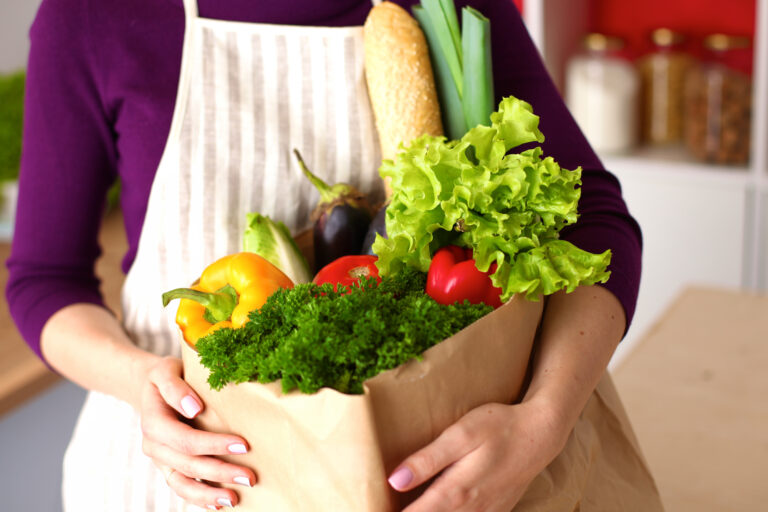
For most households, it means having a little extra food in the pantry, keeping a flashlight where you can find it, storing some water, and knowing what to do if the power goes out or you suddenly can’t get to the store.
Everyday problems can throw a household off pretty quickly. A major storm can close roads and stores. A power outage can last longer than expected. A job loss can make an already tight grocery budget even tighter. Even a bout of illness can make a normal trip to the store feel like a major chore.
Having a few supplies set aside can take some of the pressure off. The same items you keep for emergencies can also come in handy during ordinary situations, which makes preparedness feel much more practical.
If you’ve been meaning to get better prepared but keep putting it off, here are 13 reasons starting with a few simple steps can be worthwhile.

Natural Disasters
Severe weather is one of the easiest reasons to understand the value of preparedness. Hurricanes, floods, earthquakes, wildfires, tornadoes, and winter storms can interrupt normal routines with very little warning.
A storm doesn’t have to be catastrophic to cause problems. Roads may become difficult to travel, grocery stores may close, or the electricity may stay off for several hours or days.
Keeping food, water, flashlights, batteries, basic first aid supplies, and other household necessities at home gives you more options while you wait for things to return to normal.
Related: 16 Ways to Make Food Last Longer at Home
Pandemic Preparedness
The COVID-19 pandemic gave many households a firsthand look at how quickly ordinary shopping can change. Products that were easy to find one week became difficult to find the next.
Having a reasonable supply of toilet paper, soap, cleaning products, shelf-stable food, and other household basics means you don’t have to make a frantic trip to the store every time there’s a shortage.
There’s no need to buy years’ worth of supplies. Keeping a rotating supply of things your household already uses is a much more practical option.
Financial Instability
A job loss, reduction in hours, unexpected bill, or economic downturn can put a household budget under serious pressure.
A stocked pantry can help during those periods because you already have food at home. Instead of spending a large portion of a smaller paycheck on groceries every few days, you can rely on what you’ve already purchased.
Building that pantry gradually can also be easier on the budget than trying to buy everything at once.
Related: 24 Clever Ways to Turn Old Clothes Into Something Useful
Supply Chain Disruptions
Most of us are used to finding whatever we need at a nearby store. That convenience can disappear when transportation problems, fuel shortages, worker strikes, severe weather, or other disruptions affect deliveries.
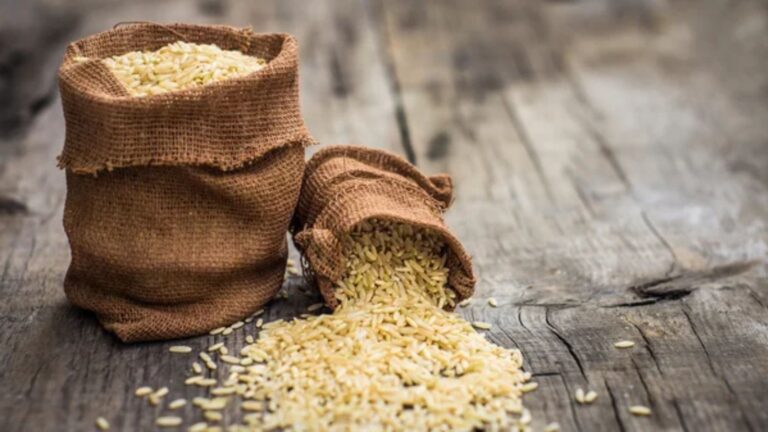
You don’t have to predict which product will be unavailable. Keeping extra quantities of everyday staples such as rice, pasta, beans, canned foods, toiletries, and cleaning supplies gives you a cushion if something disappears from store shelves for a while.
Civil Unrest
Periods of civil unrest can sometimes make traveling across town difficult or unsafe. Stores may close early, roads can become blocked, and public services may be interrupted.
Having basic supplies at home gives your household the option of staying in until conditions improve. Food, water, medications, flashlights, batteries, and a way to receive local updates can be especially useful during these periods.
Cybersecurity Threats
A large cyberattack could affect more than computers and websites. Depending on what systems are affected, people could experience interruptions involving banking, communications, transportation, utilities, or other services.
You don’t need a bunker full of supplies to prepare for this kind of disruption. Having some cash available, food in the pantry, drinking water, backup lighting, and a way to receive emergency information can help if electronic services are temporarily unavailable.
Related: 15 Ways to Read the Weather Without a Phone or Internet
Limited Government Assistance
During a major disaster, emergency services and government agencies may have more people asking for help than they can assist immediately.
That is one reason emergency agencies commonly recommend keeping enough supplies to get through at least the first few days of a crisis. Having your own food, water, medications, lighting, and sanitation supplies gives emergency workers more time to reach people who need immediate assistance.
A household that can manage basic needs for a short period has a little more breathing room while outside help is being organized.
Peace of Mind
There is also a mental benefit to having a few things ready.
Knowing where your emergency supplies are and having a plan for common problems can make an unexpected situation feel less chaotic. You don’t have to wonder whether you have a flashlight, enough food for dinner, or a way to keep the refrigerator closed during a power outage.
Preparedness won’t prevent bad things from happening, but it can remove some of the small decisions that become stressful during an emergency.
Drought Conditions
Drought can affect more than the weather. Extended dry conditions can hurt crops, reduce water supplies, and push food prices higher.
A pantry stocked with foods your household already eats can provide some protection from short-term price increases or limited availability. Rice, beans, pasta, oats, canned vegetables, and other shelf-stable foods are relatively easy to store and can be used in many different meals.
A pantry won’t replace a reliable water source, but having food at home can still make a difficult period easier to manage.
Related: 14 Responsible Ways to Declutter Your Books Without Throwing Them Away
EMP Attack
An electromagnetic pulse, or EMP, is a less common scenario, but it is sometimes included in preparedness plans because of its potential to disrupt electronic equipment.
The exact effects would depend on the source, strength, location, and systems affected. A major disruption could create problems for transportation, communications, payment systems, and other services that rely on electronics.
You don’t need to build your entire preparedness plan around an EMP. Basic supplies such as food, water, first aid items, manual tools, and alternative lighting are useful for many emergencies, including extended power outages.
Family Emergency
Sometimes the emergency isn’t a natural disaster at all.
A family member could become sick or injured, leaving someone at home to provide care. A sudden death, medical problem, or other family crisis can also make ordinary errands difficult to manage.
Having groceries, toiletries, medications, pet supplies, and other household basics already available can take one more task off your plate. When someone in the family needs attention, being able to skip a trip to the store can make a real difference.
Save Money
Preparedness can also be a practical way to manage grocery spending.
Buying staples when they’re on sale can help lower the average cost of the food you regularly eat. The key is to buy products your household will actually use rather than filling the pantry with items simply because they are cheap.
A bag of rice, several cans of beans, or extra pasta can be rotated into regular meals. That keeps your stockpile from becoming a collection of forgotten food sitting in the back of a cabinet.
Related: 12 Affordable Grocery Items That Can Get You Through a Hard Month
Environmental Hazards
Not every emergency involves a storm or a power outage. House fires, chemical spills, poor air quality, industrial accidents, and other environmental hazards can sometimes make it unsafe to leave home.
Having food, water, medications, sanitation supplies, flashlights, batteries, and other household basics already available can help you stay inside while authorities provide instructions.
Preparedness doesn’t have to mean preparing for the worst possible scenario. A better starting point is looking at the problems your household is most likely to face and keeping enough supplies to handle them without panic.
A few extra groceries, some basic equipment, and a simple emergency plan can go a long way. You don’t have to buy everything at once. Start with the things you already use, add a little at a time, and rotate your supplies as you go.