Food costs can add up quickly, especially when fresh groceries end up in the trash before you get a chance to use them. A little planning and a few storage changes can help your groceries last longer, which means fewer wasted ingredients and fewer trips back to the store.
You don’t need a complicated system to cut down on food waste. Small habits, such as storing produce properly, keeping leftovers visible, and freezing food before it goes bad, can make a noticeable difference over time.
Here are 12 practical ways to get more use out of the food you already buy.
Delay Washing Produce
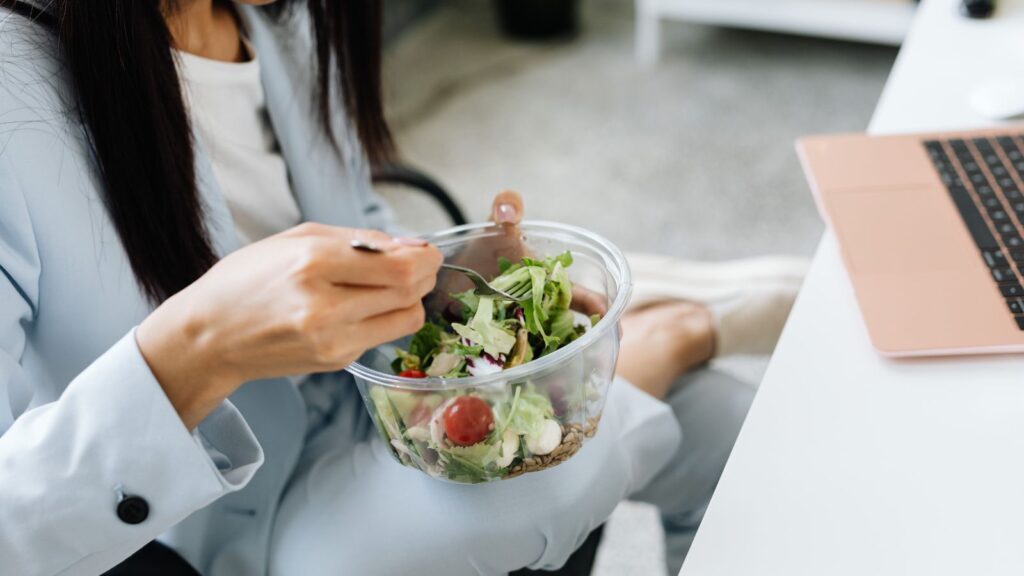
It can be tempting to wash fruits and vegetables as soon as you bring them home, but extra moisture can cause some produce to spoil faster. Washing berries, leafy greens, and other delicate items right before you plan to eat them can help them stay fresh longer.
There are exceptions, so check the storage recommendations for each type of produce. For anything you do wash ahead of time, dry it well before putting it away.
Separate the Bananas
Bananas tend to ripen quickly, especially when they’re kept together. Separating the bananas can slow things down a little.
Another simple trick is to wrap the stems with plastic wrap. This can help reduce the amount of ethylene gas released around the stems and give you a little more time to eat them before they become overripe.
Eat Your Leftovers
Leftovers are one of the easiest ways to stretch a grocery budget, yet they’re often forgotten in the refrigerator.
Put leftovers in a container as soon as you’re finished eating and keep them somewhere you’ll see them. You can also turn yesterday’s dinner into something different the next day. Roasted vegetables can become an omelet filling, cooked chicken can go into sandwiches, and leftover rice can become fried rice.
Use Airtight Containers
Once a package has been opened, move the remaining food into a resealable or airtight container. This keeps out excess air and moisture, which can cause food to lose its quality faster.
Glass and food-safe plastic containers both work well. They’re especially useful for pantry staples, leftovers, cut produce, and foods that come in bags that are difficult to reseal.
Use Clear Containers
Clear containers can make a surprisingly big difference because you can see what you already have.
Food that gets pushed to the back of an opaque container or crowded refrigerator drawer is easy to forget. Transparent containers make leftovers and ingredients easier to spot, giving you a better chance of using them before they spoil.
Keep an Eye on Food Dates
Food date labels can be confusing because different terms have different meanings. A “Best if Used By” date is often about quality rather than an automatic indication that the food is unsafe.
Check the food itself for signs of spoilage, including unusual odors, mold, changes in texture, or damaged packaging. For anything that looks or smells questionable, it’s safer to throw it away.
Set Your Refrigerator to the Right Temperature
Your refrigerator should be kept at 40°F (4°C) or below to slow the growth of harmful bacteria.
A refrigerator thermometer can give you a more accurate reading than relying on the temperature setting alone. Keep an eye on the temperature if you notice food spoiling unusually fast, especially after power interruptions or changes to the refrigerator’s settings.
Keep Perishables Away From the Refrigerator Door
The refrigerator door is one of the warmer areas of the fridge because it’s exposed to room-temperature air every time you open it.
Milk, fresh meat, and other highly perishable foods are better stored in colder areas of the refrigerator. The door is a better spot for condiments, juices, and other items that are less sensitive to temperature changes.
Check Your Fruits Regularly
One soft or moldy piece of fruit can quickly become a bigger problem when it sits beside the rest of your produce.
Give your fruit a quick check every few days. Remove anything that has started to spoil and use ripe fruit soon. Keeping delicate produce where you can see it also makes it easier to remember what needs to be eaten first.
Batch Cook and Freeze
Cooking several portions at once can save both food and time. If you know you won’t eat everything within a few days, freeze some of it rather than letting it sit in the refrigerator.
Divide meals into individual portions before freezing so you can thaw only what you need. Label each container with the food and date, too. This keeps your freezer from turning into a collection of mystery meals.
Turn Overripe Fruit Into a Smoothie Bowl
Fruit that is too soft for eating on its own can still make a great breakfast. Bananas, berries, peaches, mangoes, and other ripe fruits can be blended into smoothies or frozen and used for smoothie bowls.
It’s an easy way to use fruit that might otherwise end up in the trash.
Related: 27 Breakfast Bowls So Good, They Taste Like Dessert
You can also freeze ripe fruit in portions so you have ingredients ready for future smoothies.
Dry Fresh Herbs
Fresh herbs can spoil quickly, especially when you buy a larger bunch than you need for one recipe. Drying them gives you a way to keep using them long after they would have wilted in the refrigerator.
Basil, mint, oregano, rosemary, and other herbs can be dried at home and stored for later use. Once they’re completely dry, keep them in a clean, airtight container away from heat and direct sunlight.
Related: How to Dry Fresh Herbs
Reducing food waste doesn’t require a complete change in the way you shop. Start by paying attention to the foods your household throws away most often. Once you know where the waste is happening, a few simple storage and cooking habits can help you get more meals out of the groceries you already paid for.