Building an emergency stockpile doesn’t have to mean filling every closet with supplies or spending a huge amount of money in one shopping trip. A much easier way is to pick up a few useful items each month and let your stash grow over time.
A power outage, severe storm, earthquake, or other emergency can make an ordinary trip to the grocery store surprisingly difficult. Having food, water, hygiene supplies, and a few basic tools already at home can take some of the pressure off.
The trick is to buy things your household already uses. That way, your stockpile doesn’t become a collection of forgotten products sitting on a shelf. Rotate older items into your regular routine and replace them as you shop.
Here are some practical supplies worth adding to your emergency stash a little at a time.
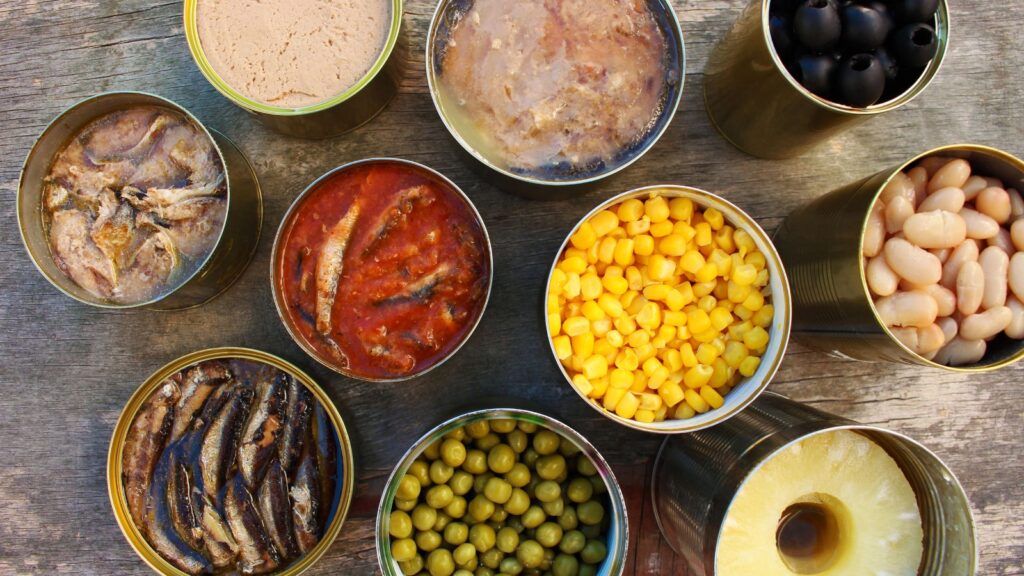
Canned Food
Canned foods are a great place to start. They’re inexpensive, easy to store, and come in plenty of varieties, including vegetables, fruit, beans, meat, and soup.
Pick up a few cans during your regular grocery trip rather than buying a large case all at once. Keep them somewhere cool and dry, and check the cans from time to time for damage or signs of spoilage.
Canned foods can also be eaten with little preparation, which is useful if cooking fuel or electricity becomes limited.
Related: 14 Things Professional Organizers Would Remove From Your Kitchen Cabinets
Dried Beans
Dried beans are one of those pantry staples that can do a lot with very little money. They provide protein, fiber, and calories, and a bag can make several meals.
Store them in a cool, dry place in their original packaging or in airtight containers. Rotate older bags into your normal cooking so nothing sits forgotten for years.
Black beans, kidney beans, pinto beans, chickpeas, and navy beans are all good options, depending on what your household actually eats.
Dried Lentils
Lentils deserve a spot beside your dried beans. They’re inexpensive, filling, and cook much faster than many dried beans, which can be handy if you’re trying to conserve fuel.
They work in soups, stews, curries, salads, and simple rice dishes. Add a bag to your pantry every now and then, and you’ll have several meal options available without spending much.
White Rice
White rice is another practical food for long-term pantry storage. It’s inexpensive, easy to prepare, and works with everything from beans and canned vegetables to meat and sauces.
Store rice in a cool, dry location and keep it protected from moisture and pests. Buying a small bag each month can build up a useful supply without putting a big dent in your grocery budget.
Related: 15 Things You Need to Know to Survive Without Modern Conveniences
Pasta
A few bags of dried pasta can go a long way during an emergency. It takes up little space, stores well, and can become a meal with just a few additional ingredients.
Keep different shapes on hand if your family likes variety. Pasta can be mixed with canned tomatoes, vegetables, tuna, beans, cheese, or whatever else happens to be available.
It’s also a good food to rotate because it’s something most families already eat.
First Aid Supplies
A first aid kit is easy to forget until someone actually needs it. Instead of buying a large kit and leaving it untouched, check your supplies regularly and replace anything that has been used or expired.
Bandages, gauze, medical tape, antiseptic wipes, gloves, and basic pain relievers are useful starting points. Building your own first aid kit also lets you buy the items your household is most likely to need.
For prescription medications, follow your healthcare provider’s instructions and ask about appropriate emergency supplies rather than trying to stockpile extra medication on your own.
Related: 15 Things Sitting Around Your Home That Could Be Worth Money
Water
Food gets plenty of attention in emergency planning, but water should be near the top of the list.
A common emergency-planning guideline is to store at least one gallon of water per person per day for drinking and basic needs. How much you need can vary based on your climate, household, medical needs, and the type of emergency you’re preparing for.
Along with stored water, consider keeping water purification tablets or a reliable filter. These can provide another option if your normal water supply becomes unavailable.
Personal Sanitation Supplies
Toilet paper, feminine hygiene products, wet wipes, tissues, and paper towels may seem like ordinary grocery items, but running out of them during an emergency can be a real headache.
Add an extra package to your cart every so often rather than trying to buy a year’s supply at once. Pay attention to what your household actually uses and stock those products first.
A few reusable alternatives can also reduce how much disposable material you need to store.
Soap
Soap is cheap, takes up relatively little space, and has plenty of everyday uses. Keep a supply of bar soap for handwashing and bathing, along with liquid hand soap if your household prefers it.
Handwashing becomes even more important if an emergency disrupts regular sanitation services. Having extra soap on hand costs very little and can save you from making a rushed store trip later.
Garbage Bags
Heavy-duty garbage bags are one of those supplies that can prove useful far beyond taking out the trash.
They can help contain waste during a power outage or water interruption, protect belongings from rain, line containers, or temporarily store dirty clothing and other materials.
Keep a mix of regular kitchen bags and heavier contractor bags. They’re inexpensive enough to add to your stockpile every few months.
PPE (Personal Protection Equipment)
Gloves and masks can come in handy during cleanup jobs, storms, flooding, construction projects, or situations involving dust and debris.
A few boxes of disposable gloves, protective masks, and other appropriate protective gear can be stored with your emergency supplies. If you have a specific cleanup concern, choose protective equipment rated for that task rather than assuming one type works for everything.
Canning & Fermenting Supplies
If you grow a garden, preserve produce, or buy seasonal food in bulk, canning and fermenting supplies are worth keeping around.
Jars can be reused when they’re in good condition, while canning lids generally need to be replaced according to the manufacturer’s instructions. Having extra lids and basic supplies available means you’re less likely to be caught without them during harvest season.
These supplies also give you a way to preserve food you already have rather than relying entirely on packaged foods.
Basic Tools & Rope
A few basic tools can save you from calling someone for every little repair. A hammer, screwdrivers, pliers, wrenches, nails, screws, and duct tape are good basics for a household emergency kit.
A length of rope or paracord can also come in handy for securing items, tying down tarps, hanging equipment, or making temporary repairs.
You don’t need a garage full of specialty tools. Start with the basic items you already know how to use and add from there.
Lighting Supplies
A blackout is a lot easier to deal with when you can find your flashlight without stumbling around in the dark.
Keep several flashlights in different parts of the house, along with extra batteries if those lights require them. Solar-powered lanterns, hand-crank lights, glow sticks, and rechargeable lamps can give you a few other options.
Check your emergency lights periodically to make sure they still work. There’s nothing worse than discovering that your “emergency” flashlight has been sitting in a drawer with dead batteries for three years.
Build Your Stockpile a Little at a Time
You don’t have to buy all of these supplies in one month. Pick one or two categories during each grocery or household shopping trip and add a little extra.
One month might mean a few bags of rice and beans. The next could be soap, garbage bags, and first aid supplies. After several months, those small purchases can turn into a useful emergency stash without requiring a huge upfront expense.
The best stockpile is one you actually know how to use, regularly rotate, and can afford to maintain.