It’s amazing how much stuff can accumulate in a pantry over time. Between groceries bought on sale, ingredients purchased for a recipe you only made once, and snacks nobody seems to eat, it’s easy to lose track of what you actually have.
Every so often, it’s worth going through your pantry to see what’s still good, what needs to be used up, and what no longer belongs there. You might even discover that you have more food than you realized, saving yourself a trip to the grocery store.
Here are eight things that may be taking up unnecessary space in your pantry.
Expired or Spoiled Items
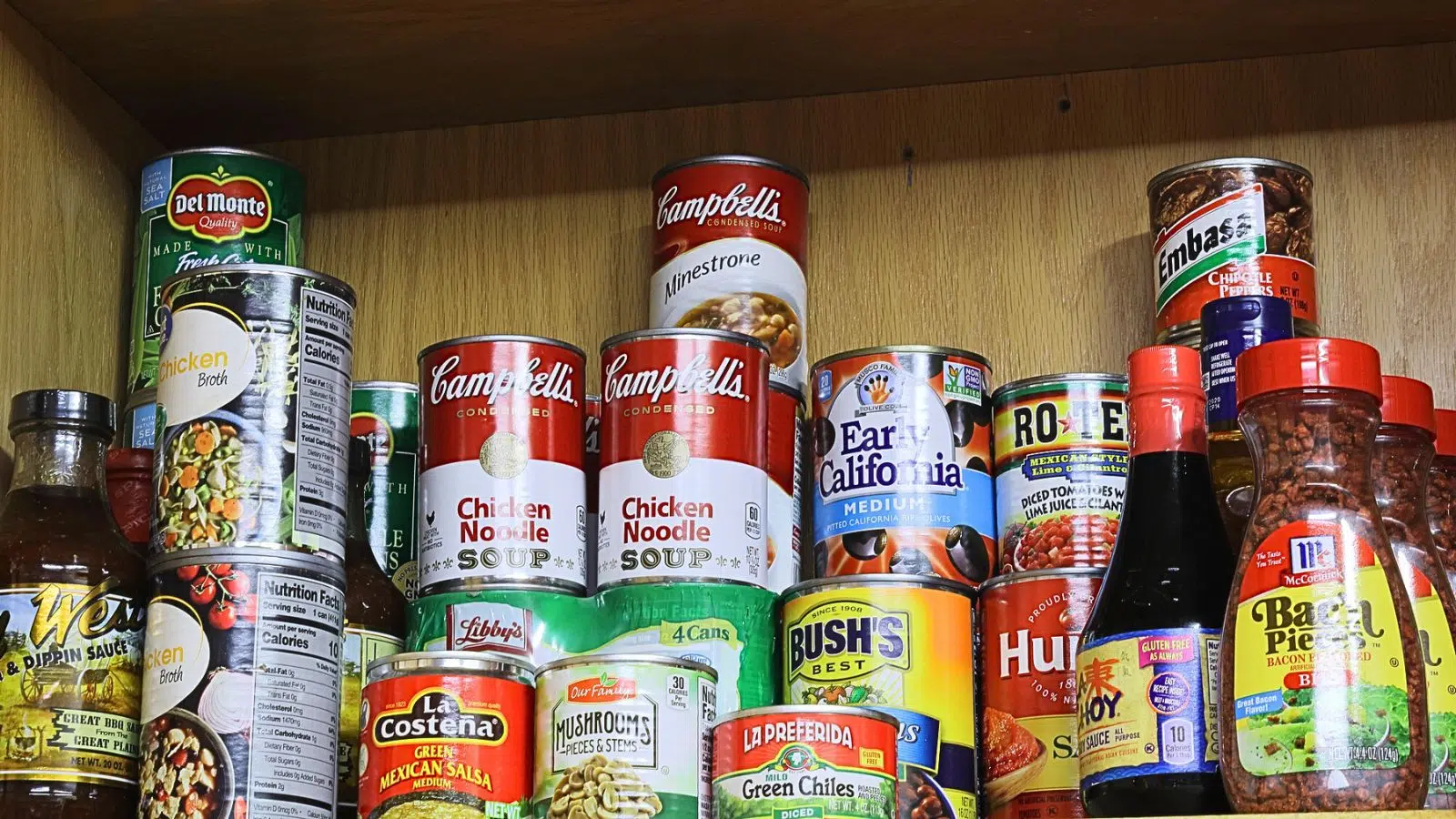
Go through your canned goods, snacks, spices, condiments, and baking ingredients to check for signs of spoilage. Remember that a printed date doesn’t automatically mean food is unsafe, but anything showing signs of mold, pest activity, or an unusual smell should be discarded.
Duplicates or Excess Items
It’s easy to buy another bag of rice or box of cereal when you can’t see what you already have. Organize duplicate items together, place older groceries toward the front, and note what you need to use before buying more.
Related: 10 Strange Things That Are Surprisingly Smart to Stockpile
Foods You Don’t Like or Won’t Use
Maybe you bought a snack that nobody liked or a specialty ingredient for a recipe you never made again. Rather than letting these foods sit untouched, consider donating unopened, shelf-stable items that meet your local food pantry’s donation guidelines.
Damaged or Unusable Food
Check for bulging, leaking, heavily rusted, or deeply dented cans, as well as torn packaging and signs of pantry pests. If the packaging is compromised or you’re unsure whether the food is safe to eat, discard it.
Non-Food Items
Pantries often become storage spaces for reusable shopping bags, paper products, and miscellaneous household supplies. Get rid of broken containers, worn-out shelf liners, and anything else you no longer need, and relocate useful items that belong elsewhere.
Overstocked Items
Buying in bulk can save money, but only if you actually use what you buy. Take inventory of large quantities of snacks, dry goods, meal kits, and other groceries, and prioritize using them before purchasing more.
Unnecessary Junk
Old coupons, takeout menus, condiment packets, disposable utensils, and unused kitchen gadgets can quickly accumulate in your pantry. Clear out these unnecessary items to make better use of your shelf space.
Foods That No Longer Fit Your Eating Habits
Your eating habits can change over time, and your pantry should reflect what your household eats today. Consider donating suitable unopened foods from abandoned diets, ingredients you no longer cook with, and snacks your family has stopped eating.