One of the easiest ways to keep your garden full of life and color without a lot of effort is by growing self-seeding annuals. These plants take care of the hard work for you, dropping their seeds and sprouting again year after year. While perennials add structure to a garden, annuals bring bold, eye-catching color, and luckily, many of them will happily return if you let them go to seed.
The beauty of self-seeding plants is that they do their thing with almost no help from you. Just resist the urge to pull them up too soon—nature will intervene once their seed pods dry out and release their seeds. Before you know it, they’ll pop back up, filling your garden with vibrant blooms season after season.
If you’re tired of replanting annuals every year, these 20 self-seeding flowers will bring effortless color and charm to your garden—year after year!
China Aster
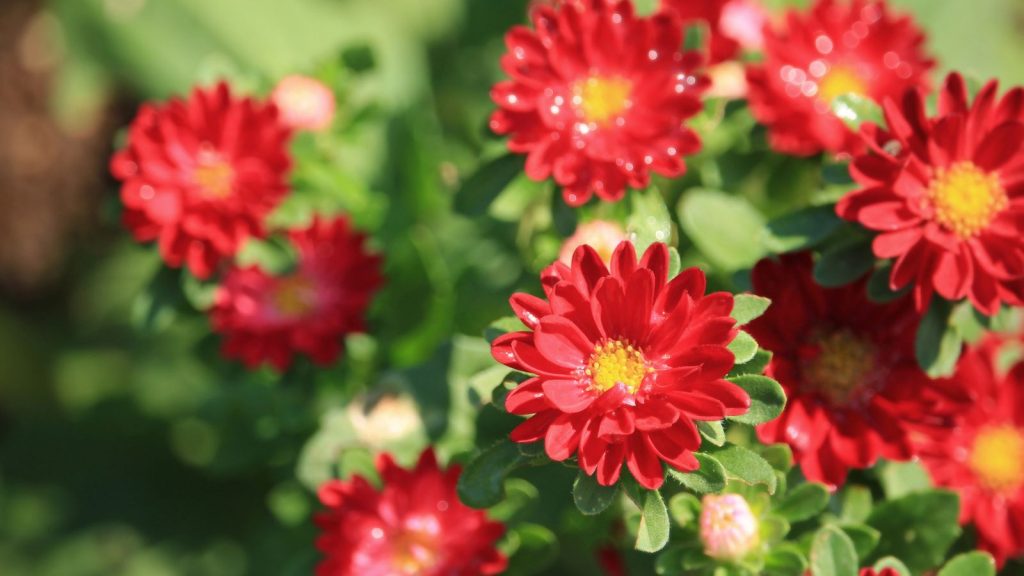
China
Once the seedlings emerge, adding a layer of mulch helps shield their shallow roots. These flowers thrive in consistently moist soil, making partial shade an ideal spot to keep them from drying out too quickly.
Cleome
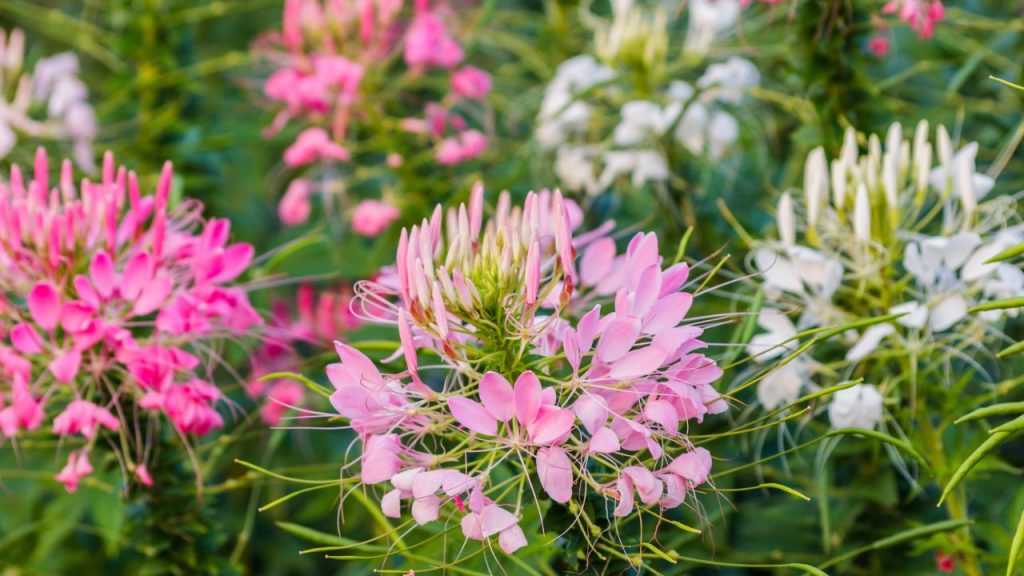
Cleome, also known as the spider flower, is a dependable self-seeder that brings a touch of wild elegance to any garden. Once established, it readily drops seeds, ensuring new blooms return year after year with little effort on your part.
Growing cleome from seed is incredibly easy, and its distinctive seedlings are easy to spot, making it simple to manage where they grow.
Celosia

Celosia’s bold, spiky blooms bring vibrant color and texture to the garden, thriving in full sun and warm temperatures. This adaptable plant requires little maintenance and readily reseeds itself, often returning year after year without extra effort.
Plant it in the spring, and it will bloom steadily until the first frost, with self-sown seeds ensuring a fresh display the following season.
Strawflower

Strawflowers readily self-seed, especially in mild climates, making them a reliable addition to the garden year after year. They thrive in dry conditions and well-drained soil, requiring little upkeep.
To manage reseeding, regular deadheading or cutting flowers for arrangements can help control their spread. With their long-lasting blooms and pleasant fragrance, strawflowers are just as stunning in the garden as they are in a vase.
Alyssum
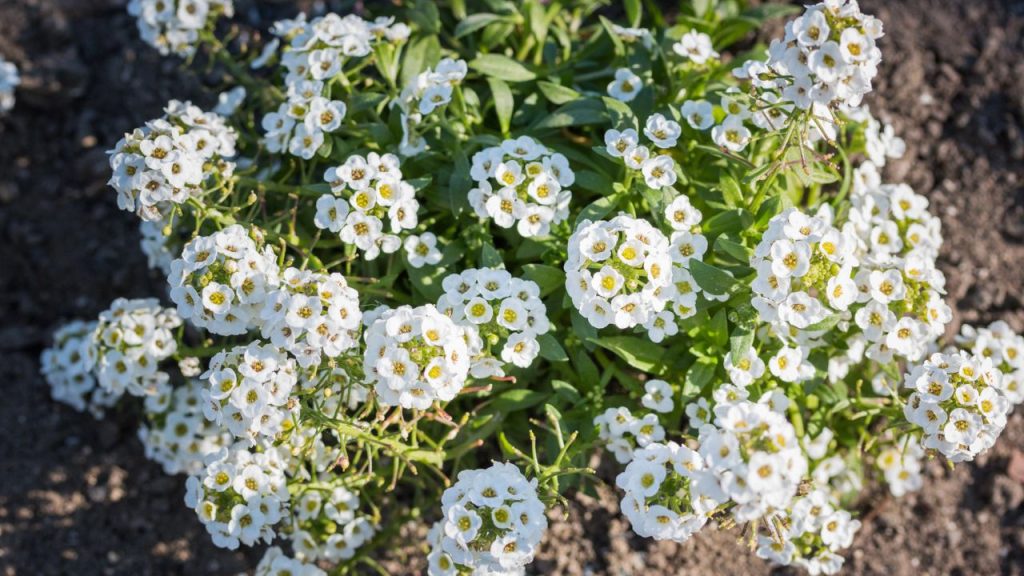
Sweet alyssum is a cute ground cover that easily reseeds, often returning year after year in the right conditions. While typically grown as an annual, it thrives in a variety of climates, continuously blooming from spring until the first frost.
To encourage self-seeding and prolonged flowering, plant it where it gets some afternoon shade, helping it withstand the heat of summer while ensuring a steady display of delicate blooms.
Morning Glory

Morning Glory is loved for its striking, trumpet-shaped blooms that open with the morning sun and close by afternoon. This fast-growing vine thrives in full sun, spreading quickly over trellises, fences, and arbors with its lush foliage and vivid flowers.
Though often grown as an annual,
Calendula

Calendulas brighten the garden and offer more than just good looks. Their petals and leaves are edible, adding a mild, peppery flavor to salads or serving as a natural garnish. Beyond their beauty, calendulas serve a practical purpose by repelling pests, deer, and rabbits, making them a natural ally for vegetable gardens.
One of
These hardy flowers thrive in well-drained soil and flourish best with gentle sunlight. Plant them in early spring, and they’ll reward you with bright blooms from late spring through early summer.
Cosmos
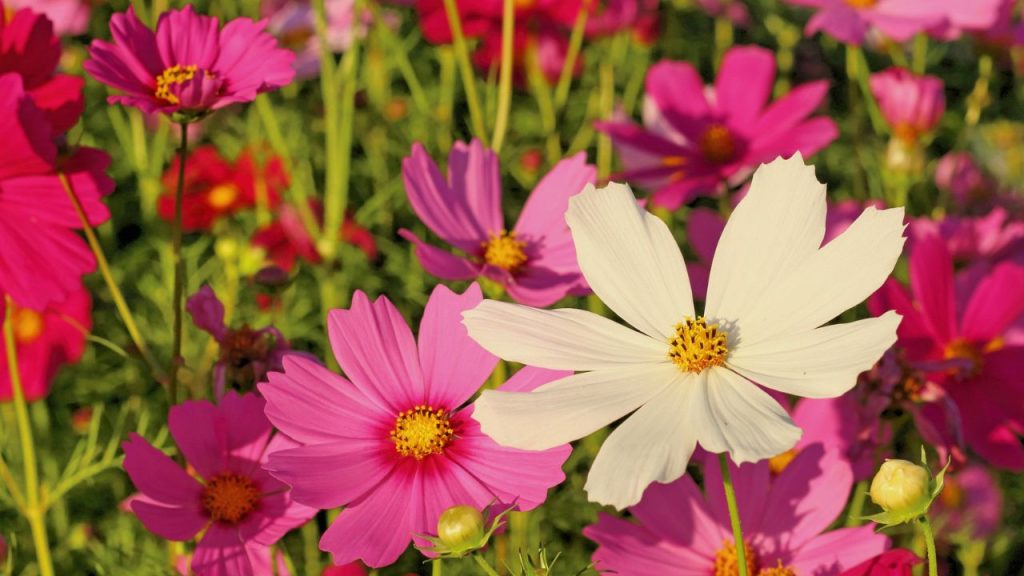
Cosmos is a favorite among pollinators, attracting butterflies with their nectar-rich blooms. These easy-care flowers thrive in full sun and need consistent moisture until they’re well established.
Once mature, they become drought-tolerant and require little upkeep. Known for their ability to self-seed,
California Poppy
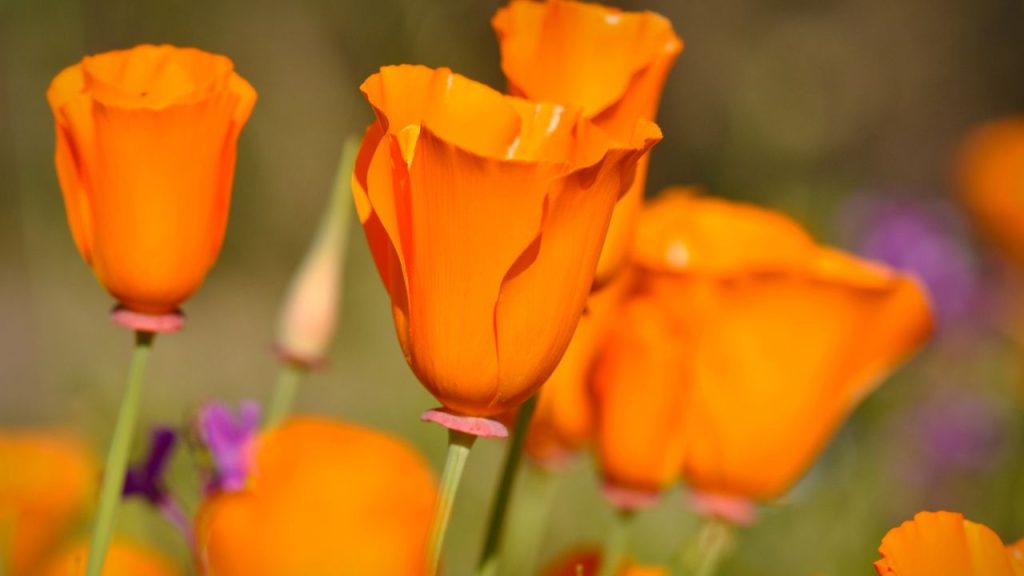
California Poppies bring big, bold, gorgeous colors to the landscape, and most types self-seed freely and reliably. These cheerful flowers make great cut flowers and are naturally deer-resistant and drought-tolerant. For the best results, plant your poppies in full sun and fertile, well-drained soil.
Coreopsis
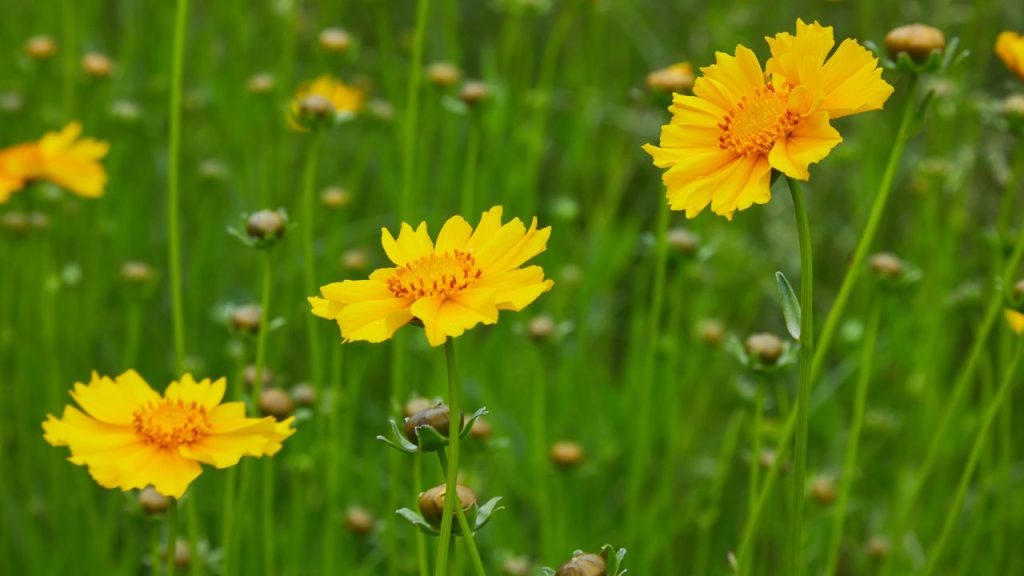
Coreopsis is a standout in the garden, lighting up the landscape with its cheerful, daisy-like blooms from summer through winter in milder climates. These hardy plants thrive in full sun and are a favorite among bees and butterflies, making them a great choice for pollinator-friendly spaces.
To keep coreopsis blooming profusely, regular deadheading helps extend the flowering season. However, if you’d like them to self-seed for the next year, leave some spent flowers on the plant to dry.
Petunia

Petunias are fast-growing, low-maintenance sun lovers that thrive in garden beds and containers. Hybrid varieties will not always breed true, so it’s difficult to say what your new flowers will look like.
With so many beautiful varieties available, there is a petunia for every garden. Petunias like fertile soil and a moderate amount of water. They bloom best in mild weather.