Search online for emergency food supplies, and you’ll quickly come across large buckets of freeze-dried meals, military-style rations, and food kits advertised to last decades.
While these products may be useful for some households, they’re not necessarily the most affordable way to prepare for an emergency.
In a recent online discussion about emergency preparedness, several readers questioned how families were supposed to stockpile supplies when grocery prices were already stretching their budgets. Others offered a much simpler solution: Start with inexpensive foods from the grocery store.
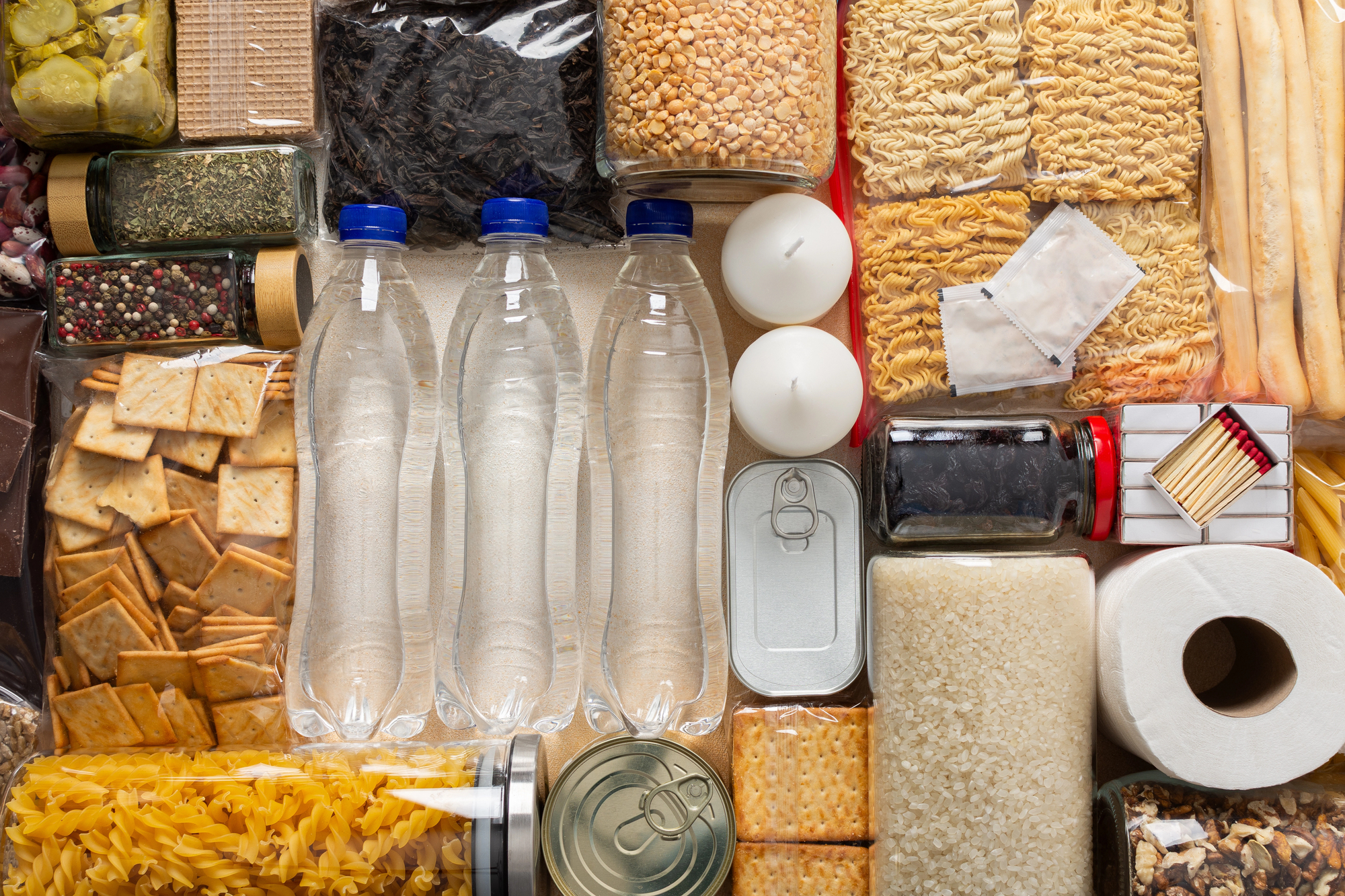
Here are 15 affordable foods worth considering when building your emergency pantry.
Canned Beans
Canned beans provide protein and fiber and can be eaten without cooking. They’re frequently available at discount grocery stores and can be used in soups, salads, wraps, and other everyday meals.
Rice
Rice is relatively inexpensive, filling, and versatile enough to serve alongside many different foods. White rice generally stores longer than brown rice, but you’ll need safe water and a reliable cooking method to prepare it.
Peanut Butter
Peanut butter provides calories, protein, and fat without requiring refrigeration before opening or any cooking. You can eat it with crackers, bread, or fruit, and it’s often available in larger containers at reasonable prices.
Canned Tuna
Canned tuna is a convenient source of protein that you can eat straight from the can. Stock up when your preferred varieties go on sale, and remember to rotate them into your regular meals.
Oats
Oats are an affordable breakfast staple that can also be used in baking and other recipes. They store well when protected from moisture and pests, though preparation requirements vary by type.
Canned Vegetables
Canned corn, carrots, peas, and green beans can help add variety to an emergency food supply. They’re often inexpensive, particularly when purchased during supermarket sales or under store-brand labels.
Pasta
A few boxes of pasta can provide the foundation for several filling meals without taking up much storage space. Just remember that pasta requires water and a cooking method, so it shouldn’t be your only emergency food.
Canned Chicken
Canned chicken is fully cooked and can be used to make sandwiches, salads, wraps, and other simple meals. It’s a practical alternative to fresh meat when refrigeration isn’t available.
Dried Lentils
Lentils are an inexpensive source of plant-based protein and generally cook faster than many other dried legumes. They’re useful for making filling soups and stews when you have access to safe water and cooking equipment.
Canned Soup
Many canned soups provide a convenient meal with minimal preparation. Look for varieties your household already enjoys, particularly those that don’t require adding large amounts of water.
Crackers
Crackers can be paired with peanut butter, canned tuna, cheese spreads, and other shelf-stable foods. They don’t require cooking, making them particularly useful during power outages.
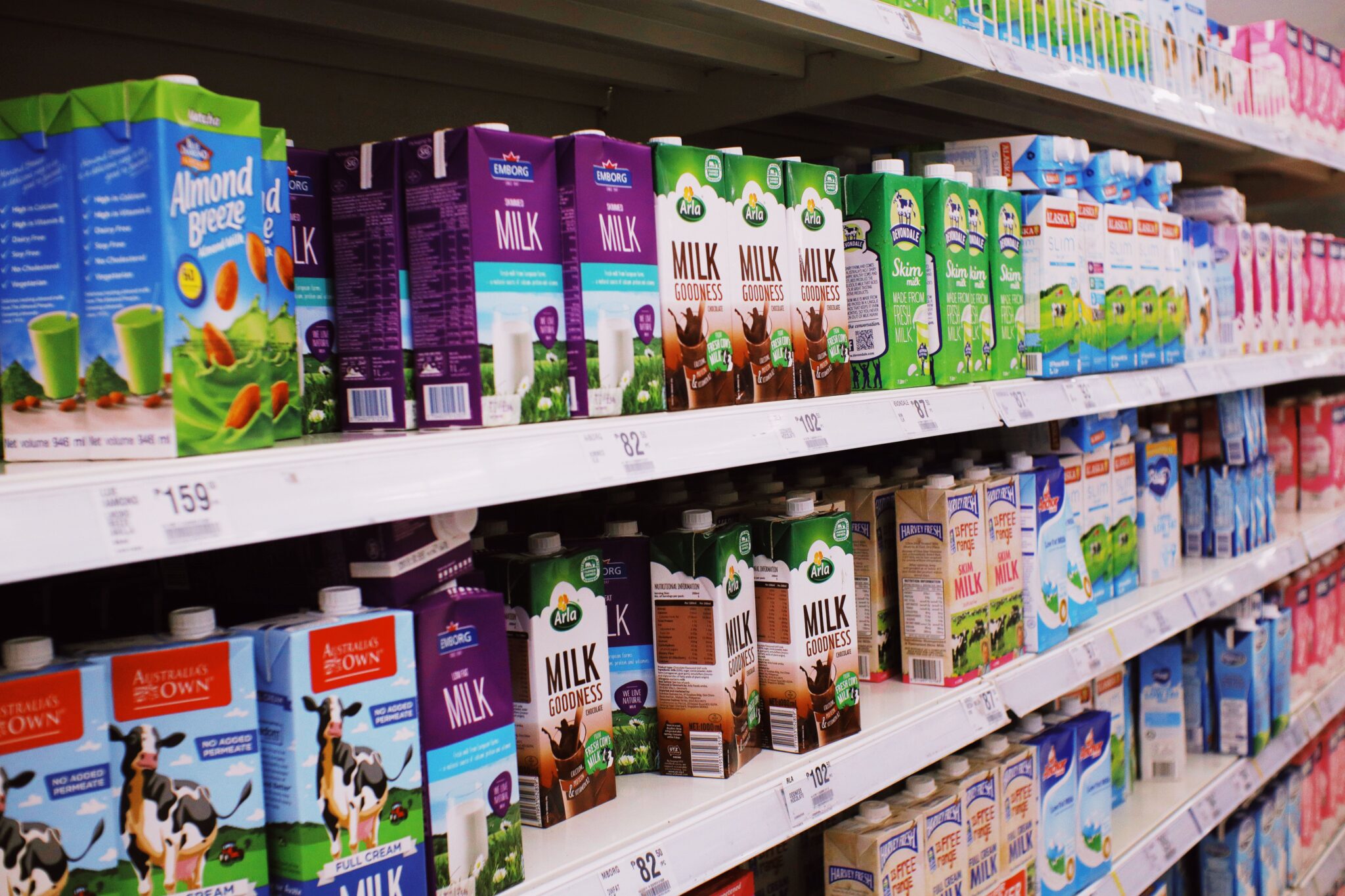
Shelf-Stable Milk
Shelf-stable milk can be stored unopened without refrigeration and used for cereal, beverages, and other meals. Smaller containers may be more practical during emergencies because opened milk generally needs refrigeration.
Canned Fruit
Canned peaches, pears, pineapple, and fruit cocktail provide variety when fresh produce isn’t readily available. They’re also convenient because they don’t require cooking or refrigeration before opening.
Instant Potatoes
Instant potatoes are lightweight, relatively inexpensive, and easy to store. Most varieties require water and some preparation, so check the package instructions before including them in your emergency meal plan.
Honey
Pure honey has a remarkably long shelf life when stored properly and can sweeten oatmeal, tea, and baked goods. It may crystallize over time, but that doesn’t necessarily mean it has spoiled.
Shop for Your Emergency Pantry the Same Way You Shop for Groceries
You don’t need to purchase everything at once or pay premium prices for products labeled as emergency food.
Watch for buy-one-get-one-free offers, compare unit prices, buy store brands, and consider splitting bulk purchases with friends or family.
Even setting aside an extra $5 or $10 during grocery trips, when your budget allows, can help you build a useful emergency pantry over time.
The most affordable emergency food supply may be sitting on the shelves of the grocery store you already shop at every week.