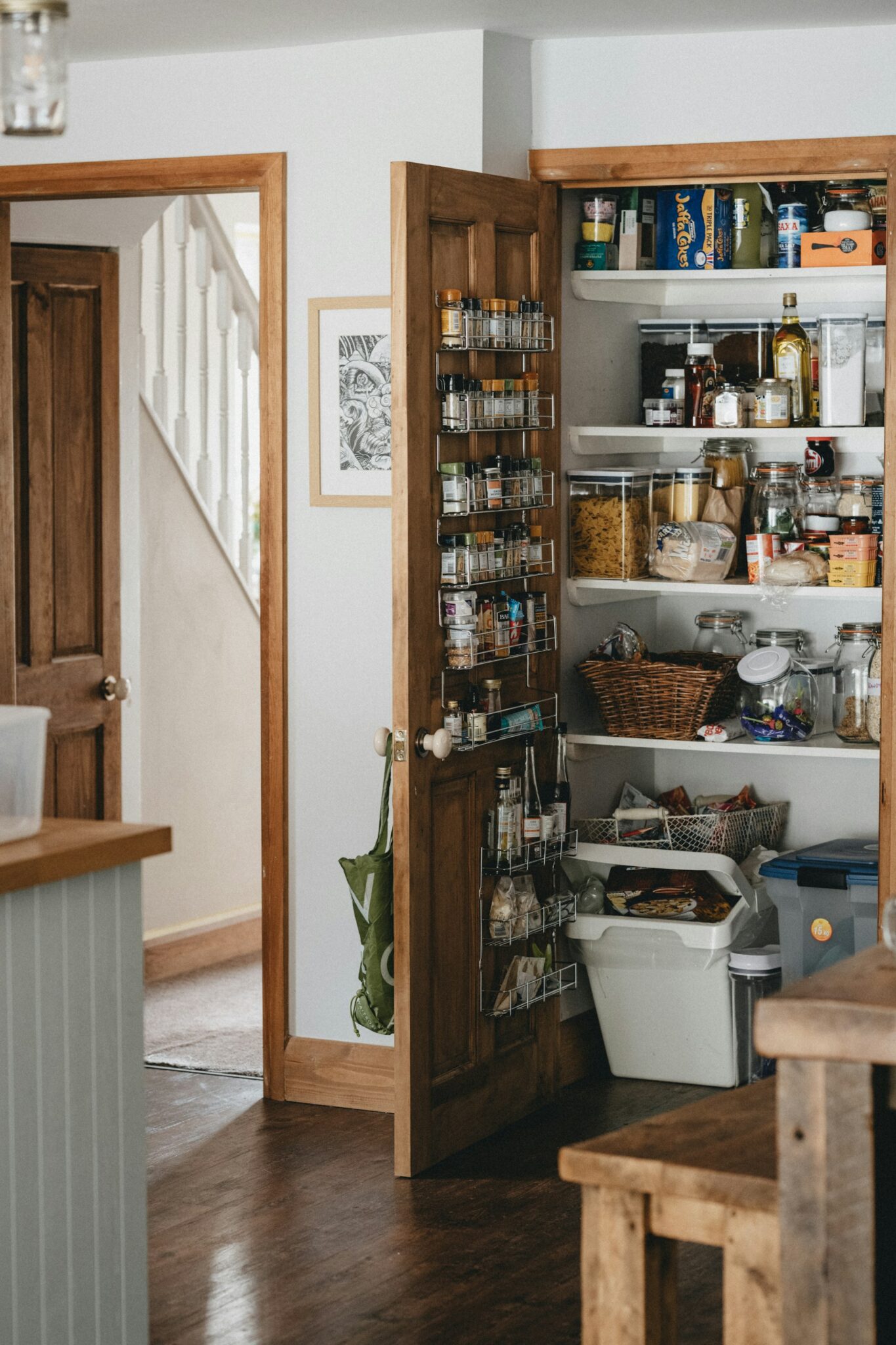
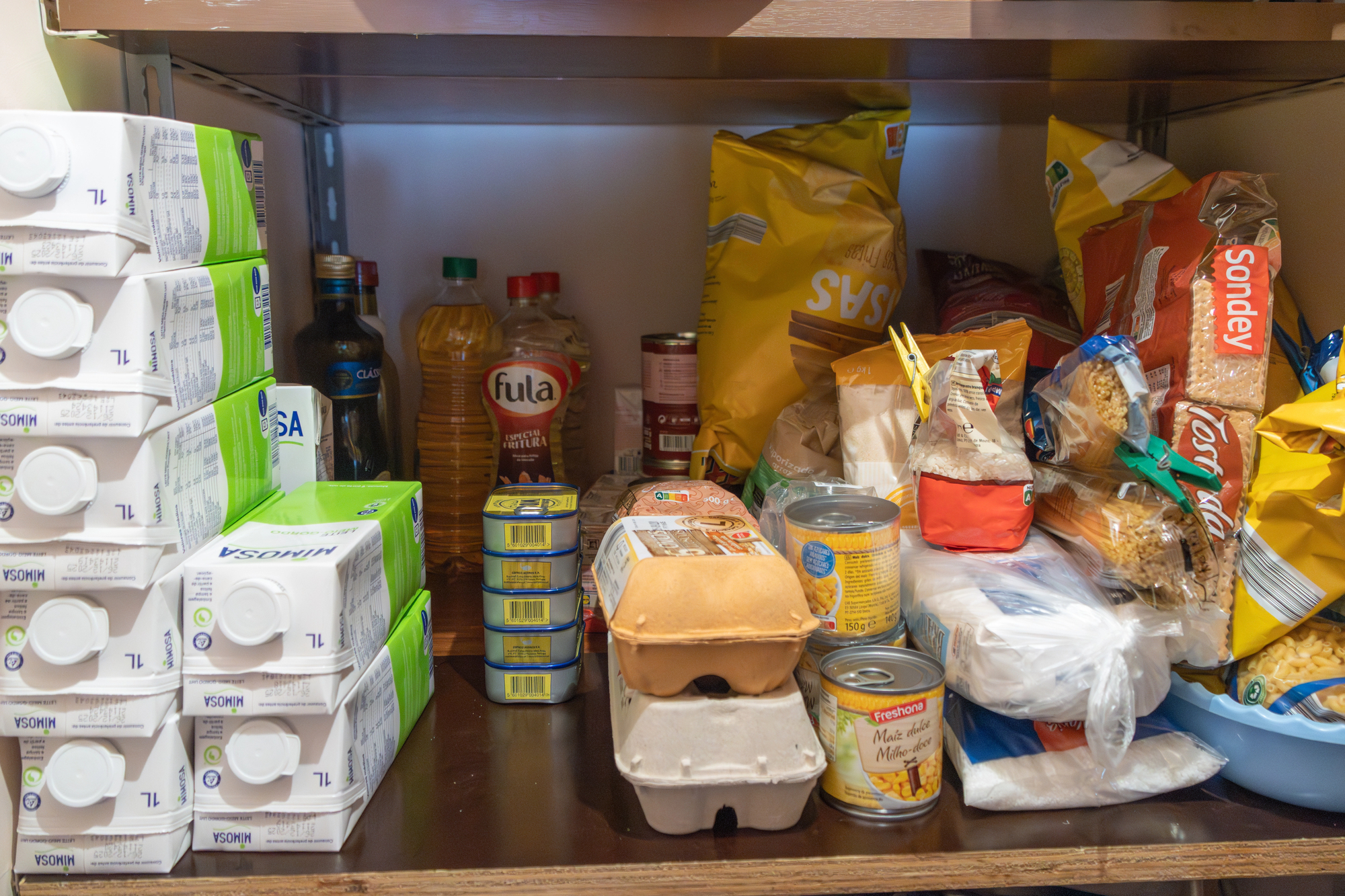
Having a pantry full of canned food, cases of bottled water, and a collection of emergency supplies can give you peace of mind. But what happens when the power goes out, your water supply is interrupted, or you face a situation that requires more than opening a can of food?
Being prepared for an emergency requires more than buying things. Knowing how to use what you have, adapt to unexpected circumstances, and manage without everyday conveniences is just as important.
A former Air Force survival instructor says people are overlooking something important
In a recent interview with Business Insider, Jessie Krebs, a former Air Force survival instructor who has lived off the grid for about 20 years, explained a common mistake people make when preparing for emergencies.
People often purchase survival kits without learning how to use their contents. Her military training emphasized resourcefulness and developing skills that reduce dependence on equipment. Business Insider
Buying emergency supplies is the easy part
It’s relatively easy to order an emergency kit online, stock up on canned goods, and put a few flashlights in a drawer. Learning how to manage without electricity, running water, or access to nearby stores takes considerably more effort.
Having a portable generator doesn’t mean you know how to operate it safely. The same goes for water filtration systems, emergency radios, and first aid kits. An actual emergency is the worst time to start figuring out how everything works.
Related: 14 Emergency Supplies Every Prepared Household Should Have
Your family needs a plan that doesn’t rely on cell phones
Krebs emphasizes the importance of establishing a communication plan before an emergency, especially if family members become separated.
Think about where everyone in your household typically spends their day. If your children are at school, you’re at work, and your spouse is somewhere else, how would you reconnect if cell phone service stopped working?
Establish designated meeting locations, keep written copies of important phone numbers, and make sure everyone understands the plan.
A stockpile should include more than food
Food tends to receive much of the attention when people talk about prepping. However, greater emphasis should be placed on water, along with protection from the elements and other immediate survival needs.
Consider how you would access safe drinking water, stay warm during a winter power outage, or maintain basic sanitation if your plumbing stopped working.
A pantry full of canned goods won’t solve every one of those problems.
Related: 10 Strange Things That Are Surprisingly Smart to Stockpile
Everyday skills can be more valuable than expensive equipment
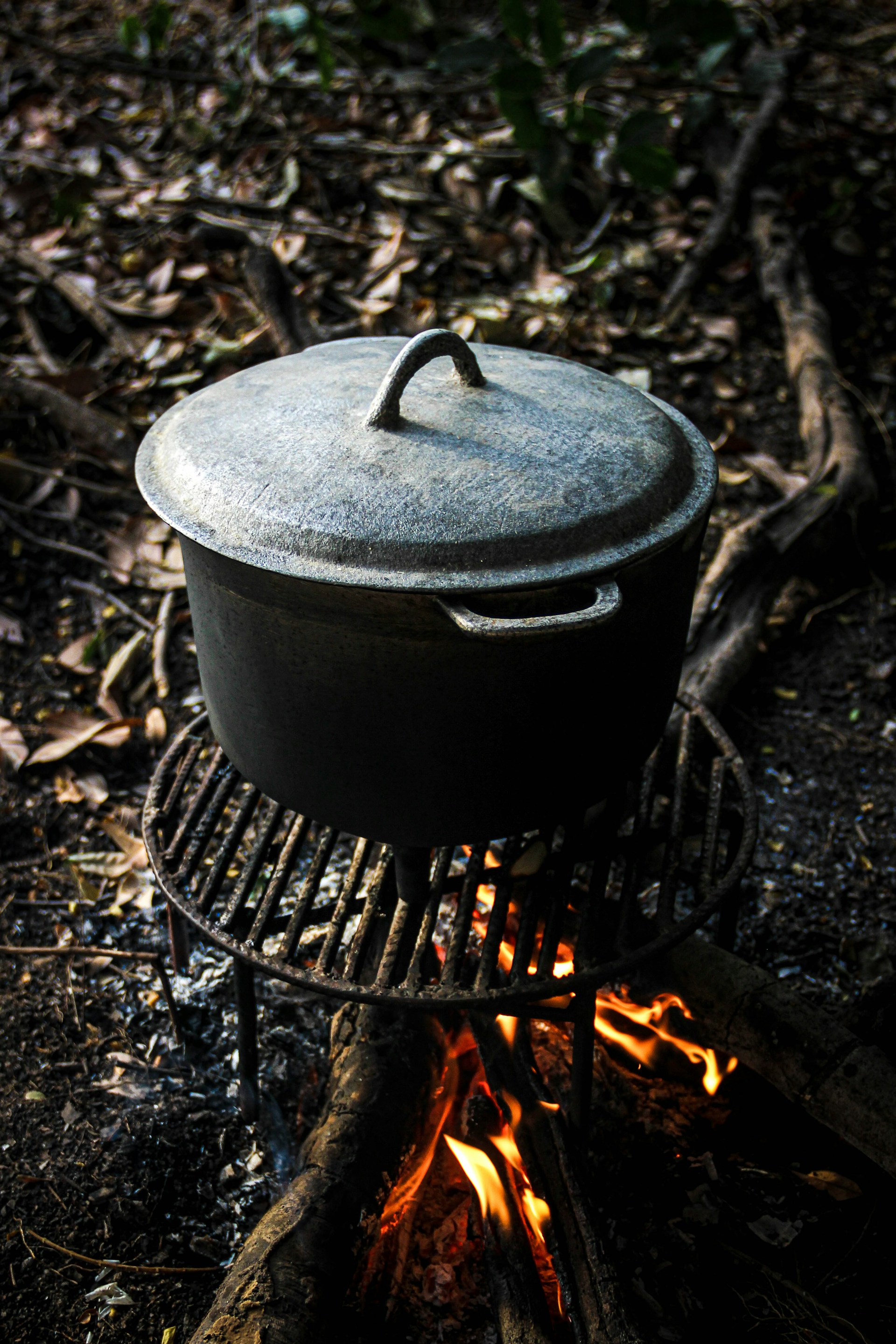
Many practical survival skills can be learned without spending much money. Knowing how to prepare meals without electricity, read a physical map, administer basic first aid, repair clothing, and safely treat drinking water can make a significant difference during an emergency.
These skills can also come in handy in everyday situations, from unexpected power outages to water main breaks and severe weather.
Build an emergency kit around your actual needs
A household living in an apartment in a major city will have different emergency preparedness needs than a family living in a rural area. Climate, location, medical conditions, household size, and the types of emergencies common in your area should influence what you keep on hand.
Krebs recommends assembling your own survival kit rather than relying entirely on a prepackaged one. She also points out that thrift stores can be an affordable source of useful supplies.
You don’t necessarily need expensive, specialized survival gear to become more self-reliant.