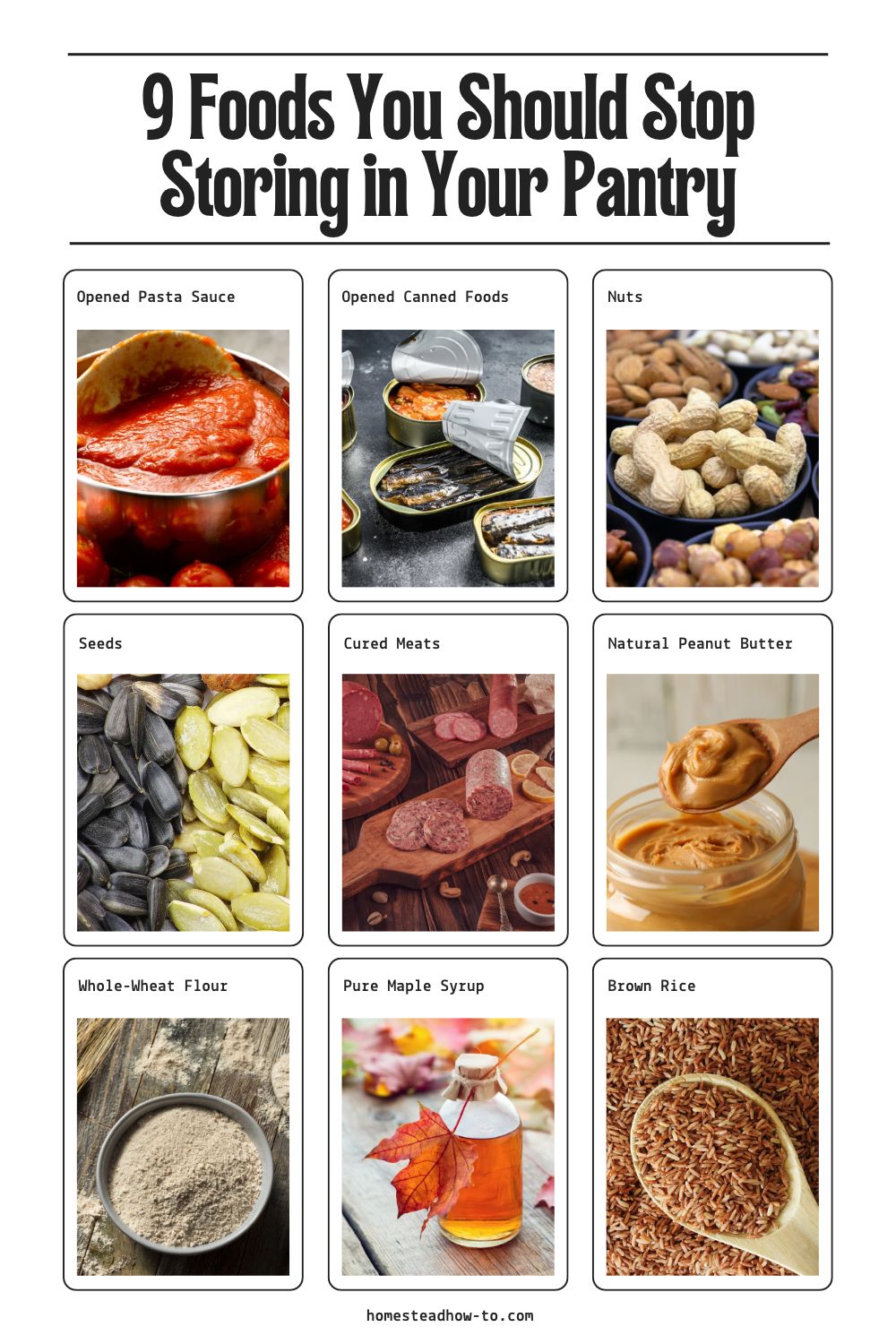
Just because a food is sold on a grocery store shelf doesn’t mean it should stay in your pantry once you bring it home. Some foods spoil faster at room temperature, while others lose their flavor, develop mold, or turn rancid.
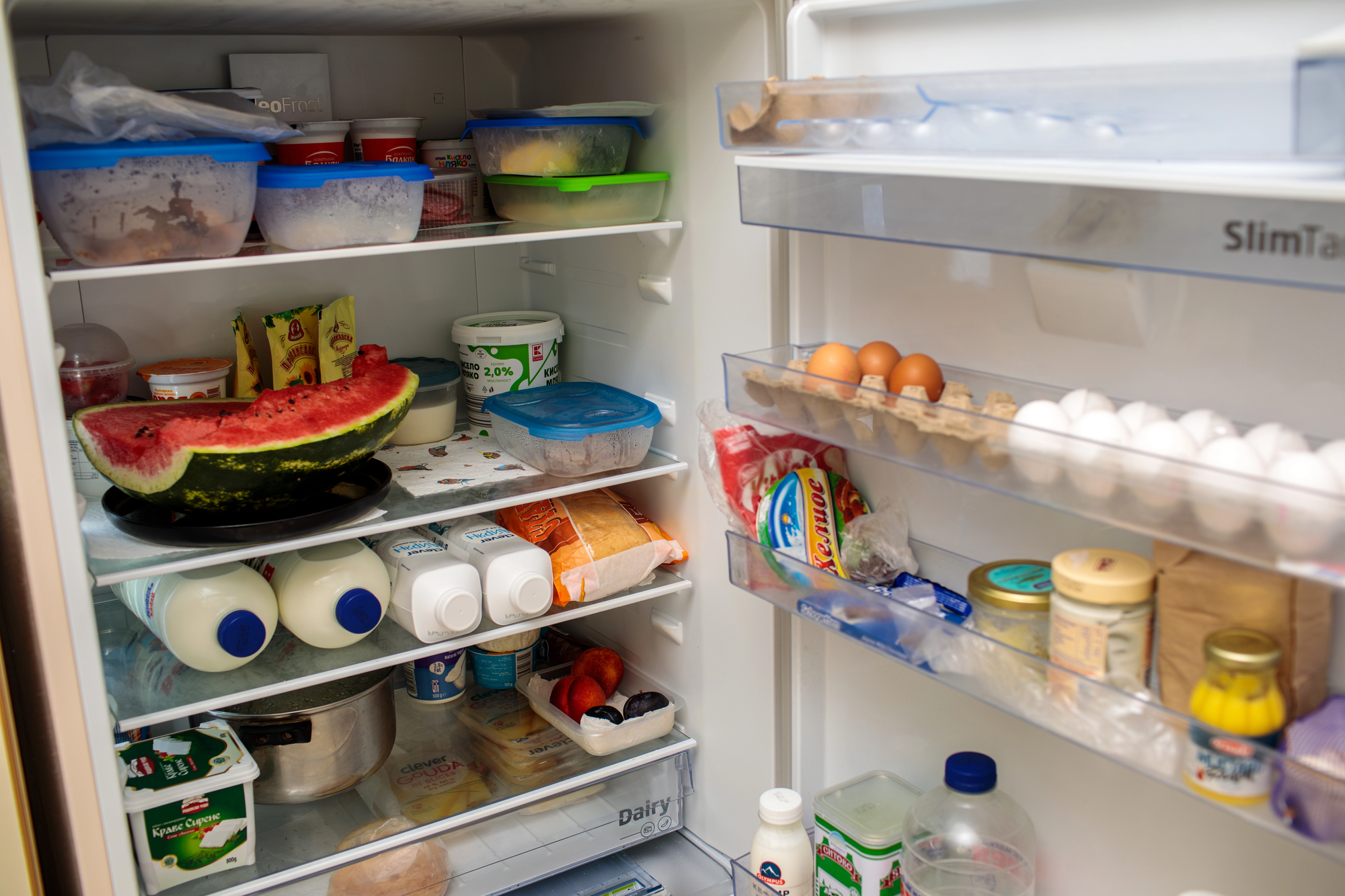
Moving certain foods to the refrigerator or freezer can help extend their shelf life and reduce unnecessary food waste. Here are nine foods you may be better off storing elsewhere.
Opened Pasta Sauce
That partially used jar of spaghetti sauce shouldn’t go back into the pantry after dinner. Once opened, commercially prepared pasta sauce requires refrigeration and should be used within the timeframe recommended on the packaging or frozen for later use.
Opened Canned Foods
Unopened canned goods can last for years in the pantry, but their contents become perishable once opened. Transfer leftover beans, vegetables, soups, and canned fruits to a covered food storage container and refrigerate them promptly.
Nuts
Almonds, walnuts, pecans, and other nuts contain natural oils that can turn rancid over time, particularly in a warm kitchen. If you buy nuts in bulk or use them only occasionally, store them in an airtight container in the refrigerator or freezer to preserve freshness.
Seeds
Sunflower, pumpkin, flax, and chia seeds also contain natural oils that can deteriorate when exposed to heat, light, and air. Refrigerating or freezing them in sealed containers can help maintain their flavor and quality for longer.
Cured Meats
Not all cured meats are shelf-stable, even when vacuum-sealed. Check the packaging on salami, pepperoni, and summer sausage for storage instructions, and refrigerate opened products as directed.
Natural Peanut Butter
Natural peanut butter and other nut butters without added stabilizers can lose their freshness more quickly at room temperature. Refrigerating them after opening, especially when recommended on the label, can slow oil separation and extend shelf life.
Whole-Wheat Flour
Unlike refined white flour, whole-wheat flour contains natural oils from the wheat germ, making it more susceptible to rancidity. Store it in an airtight container in the refrigerator or freezer, especially if you don’t bake frequently.
Pure Maple Syrup
Unopened pure maple syrup is fine in the pantry, but refrigerate it once the bottle is opened. Unlike many commercial pancake syrups, pure maple syrup can develop mold when stored at room temperature after opening.
Brown Rice
Brown rice contains natural oils in its bran layer that give it a shorter shelf life than white rice. If you purchase large quantities or don’t cook it regularly, storing it in the refrigerator or freezer can help prevent it from turning rancid.