You probably already know to separate paper, cardboard, bottles, and cans from your regular trash. But what about old batteries, worn-out shoes, empty coffee pods, and other things that don’t belong in the usual recycling bin?
Some household items need to be taken to special collection points, while others can be reused or sent through dedicated recycling programs. Before throwing something away, it’s worth checking whether there’s a better place for it.
Here are 10 everyday items you might be able to recycle instead of sending them to the landfill.
Old Athletic Shoes
Sneakers that have seen better days may still have a place in a shoe recycling program, even if they’re too worn to donate. Nike’s Reuse-A-Shoe program has accepted athletic shoes from various brands at participating locations, turning the materials into products for sports surfaces and playgrounds.
Since accepted shoes and drop-off locations can change, check the program’s current rules before making a trip.
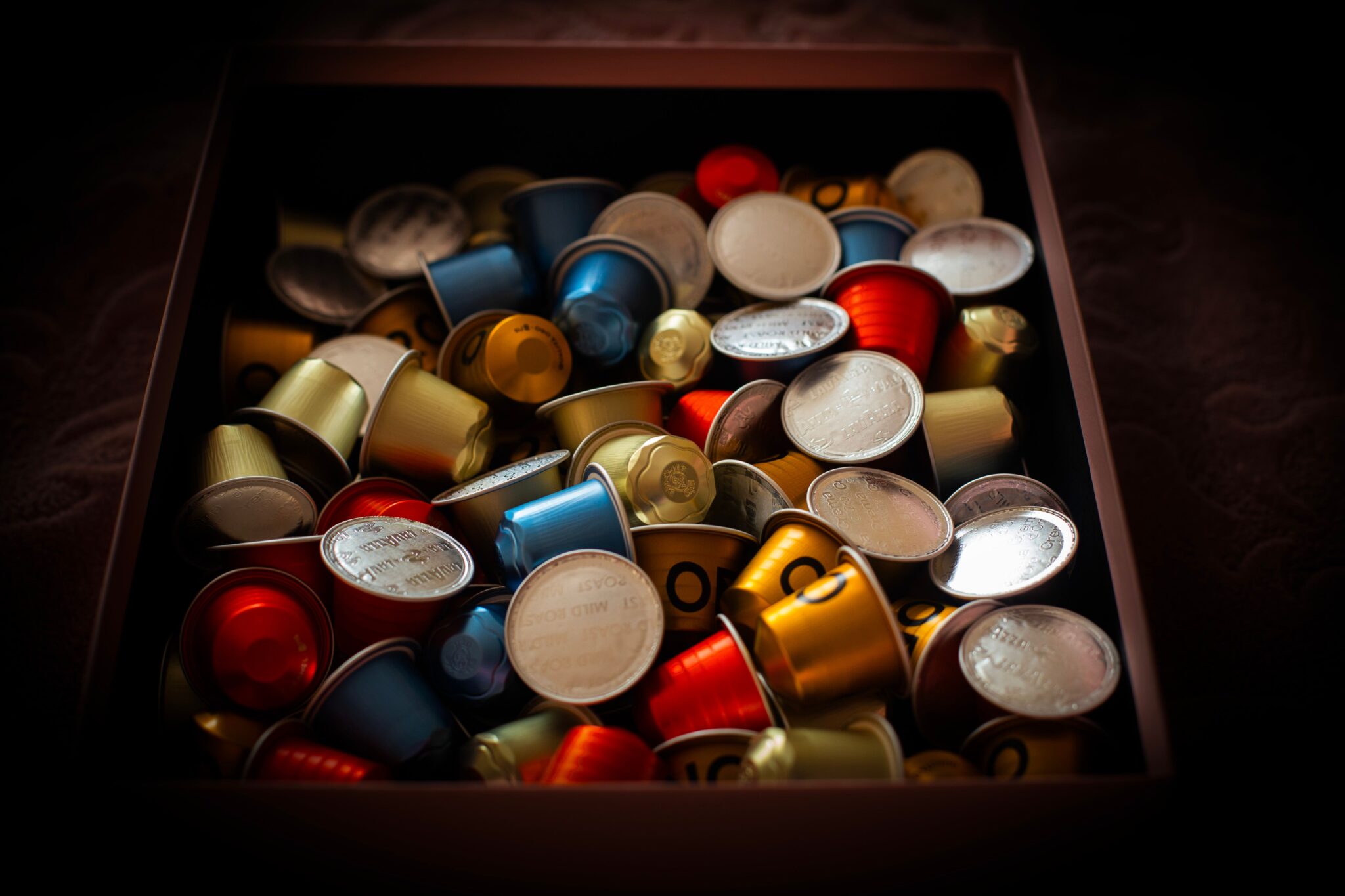
Coffee Pods
Single-use coffee pods can be difficult to recycle because they often contain plastic or aluminum, paper filters, and leftover coffee grounds. Some brands have their own recycling programs, while others require you to separate the components before disposal.
Check your coffee pod brand’s instructions instead of putting the whole thing in your curbside bin. You can also save the used grounds for other household projects; here are 14 Incredible Ways to Repurpose Used Coffee Grounds.
Batteries
Old batteries shouldn’t automatically go into the regular trash or household recycling bin. Many communities have special collection points at libraries, electronics stores, recycling centers, and other public facilities.
The right disposal method depends on the battery type, so check local guidelines before dropping them off. You can also search for nearby collection sites through Earth911 or Call2Recycle.
Books
Books in good condition can often find another home instead of ending up in the garbage. Local libraries, schools, thrift stores, charities, and community groups may accept donations, and some titles can be sold online.
If a book is badly damaged, check whether your local recycling program accepts it. Paperback and hardcover books may have different recycling rules because of their covers and binding materials.
Plastic Bags
Plastic grocery bags usually aren’t accepted in curbside recycling bins, but many grocery and retail stores have collection bins for certain types of plastic film. You can also reuse bags around the house as small bin liners, pet-waste bags, or packing material.
If you have more bags than you can use, look for a participating drop-off location through Plastic Film Recycling or How2Recycle. Check the accepted materials first, since not every type of plastic bag or packaging film qualifies.
Toothbrushes
Once a toothbrush is too worn for brushing, it can still be useful for cleaning grout, scrubbing tight corners, and removing dirt from shoes. If you keep one for household cleaning, label it clearly and store it away from your regular bathroom supplies.
Some manufacturers have also offered recycling programs for used toothbrushes and other oral-care products. Colgate has partnered with TerraCycle on such programs, but check their current availability and accepted items before sending anything in.
Crayons
Broken crayons often end up at the bottom of a box or in a drawer because they’re too small to use comfortably. Programs such as Crazy Crayon collect unwanted crayons and turn them into new ones instead of sending them to the trash.
You can also melt broken crayons at home to make new shapes, but use adult supervision and follow safe heating instructions. Never leave melted wax unattended.
Ink Cartridges
Empty printer cartridges are easy to forget about once the ink runs out, but many manufacturers and office-supply stores have recycling or return programs. Some offer store credit or other rewards for eligible cartridges.
Check the retailer’s current policy before dropping them off, since some programs accept only particular brands or cartridge types. Some manufacturers also provide prepaid mail-in labels for returning used cartridges.
Fluorescent Light Bulbs
Fluorescent bulbs contain a small amount of mercury, so they need special handling rather than being tossed into the regular recycling bin. The EPA recommends checking with local waste authorities to find out where these bulbs can be safely recycled or disposed of.
Many communities have household hazardous-waste collection sites or dedicated bulb recycling programs. These facilities may be able to recover materials such as glass and metal while properly handling the mercury.
Old Clothes
Clothes that no longer fit or are no longer used don’t always need to end up in the trash. Pieces in wearable condition can be donated, sold, or passed along to someone who could use them, while worn-out textiles may be accepted by local recycling programs.
Sort through your clothing before dropping anything off, and check the organization’s rules. Some donation centers accept only clean, wearable pieces, while textile recycling programs may take items with holes, stains, or worn fabric.
Clearing out these items can do more than free up space at home. A quick check of local recycling options can help you find a better destination for things that would otherwise end up in the trash.
Other Topics You Might Like
- 10 Strange Things That Are Surprisingly Smart to Stockpile
- How to Clean a Wood Cutting Board
- 15 Safe Ways to Clean a Cast Iron Skillet Without Ruining the Seasoning
- 12 Things Professional Organizers Would Never Store Under the Kitchen Sink
- 12 Small Habits That Make a Big Difference in Keeping Your Home Clean