Having a basement full of canned food, bottled water, and emergency equipment might make you feel prepared for just about anything. But what happens when those supplies run out, your equipment breaks, or an emergency lasts longer than expected?
Stockpiling supplies is an important part of emergency preparedness, but knowing how to take care of yourself without modern conveniences can be just as valuable. After all, having the right equipment doesn’t necessarily mean you know how to use it.
Kezia Barker, a researcher at Liverpool John Moores University, has highlighted the importance of practical survival skills over simply collecting supplies. As reported by the Daily Mail, Barker points to activities such as bushcraft, growing food, foraging, and food preservation as skills worth learning before an emergency happens.
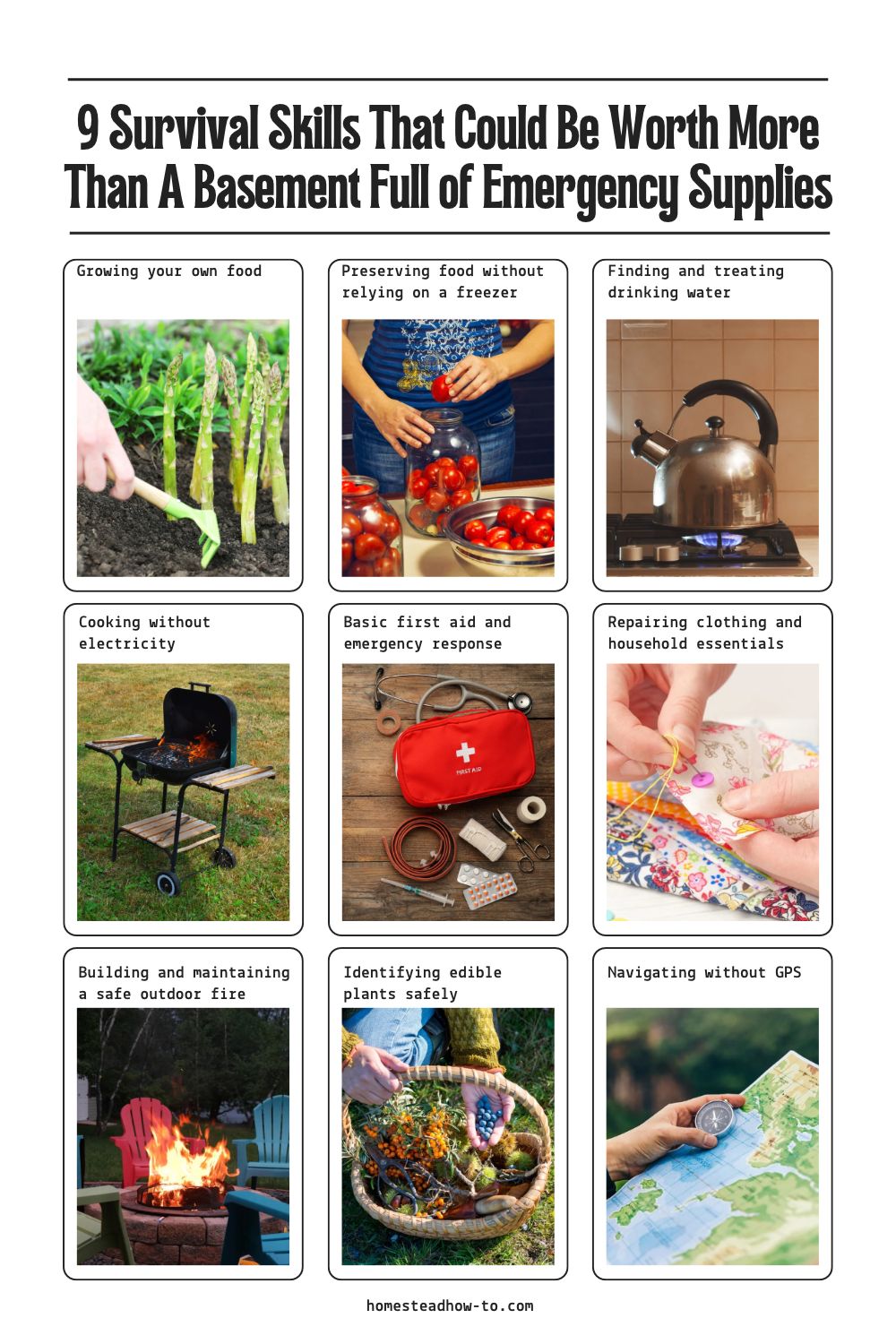
Many of these skills aren’t particularly complicated to start learning, and some can be practiced right at home. Here are 9 worth developing while you still have the time and resources to learn them properly.
Growing your own food
Knowing how to grow vegetables can become especially valuable if grocery stores are difficult to access or food supplies become unreliable. Even a small garden can teach you how to start seeds, improve soil, manage pests, and harvest food successfully.
You don’t need acres of land to begin. Growing tomatoes, lettuce, beans, or herbs in containers is a practical way to develop skills that can eventually be expanded into a larger garden, although producing a dependable food supply takes time and planning.
Preserving food without relying on a freezer
A freezer full of food won’t help much during a prolonged power outage if you don’t have a reliable way to keep it cold. Learning how to preserve food through safe canning, dehydration, and other appropriate methods can help you store certain foods for longer periods without refrigeration.
Start by learning tested preservation methods from reliable sources such as the USDA or the National Center for Home Food Preservation. Improperly canned food can cause serious illness, so this is one skill where following established instructions matters.
Finding and treating drinking water
Most people can turn on a faucet without thinking about where their water comes from or whether it’s safe to drink. During an emergency that disrupts water treatment or distribution, knowing how to identify potential water sources and make water microbiologically safer could become extremely important.
Learn how to boil water properly and use filters or purification products according to their instructions. Remember that boiling and ordinary portable filters cannot reliably remove many chemical contaminants, so water from an unknown or potentially polluted source may still be unsafe.
Cooking without electricity
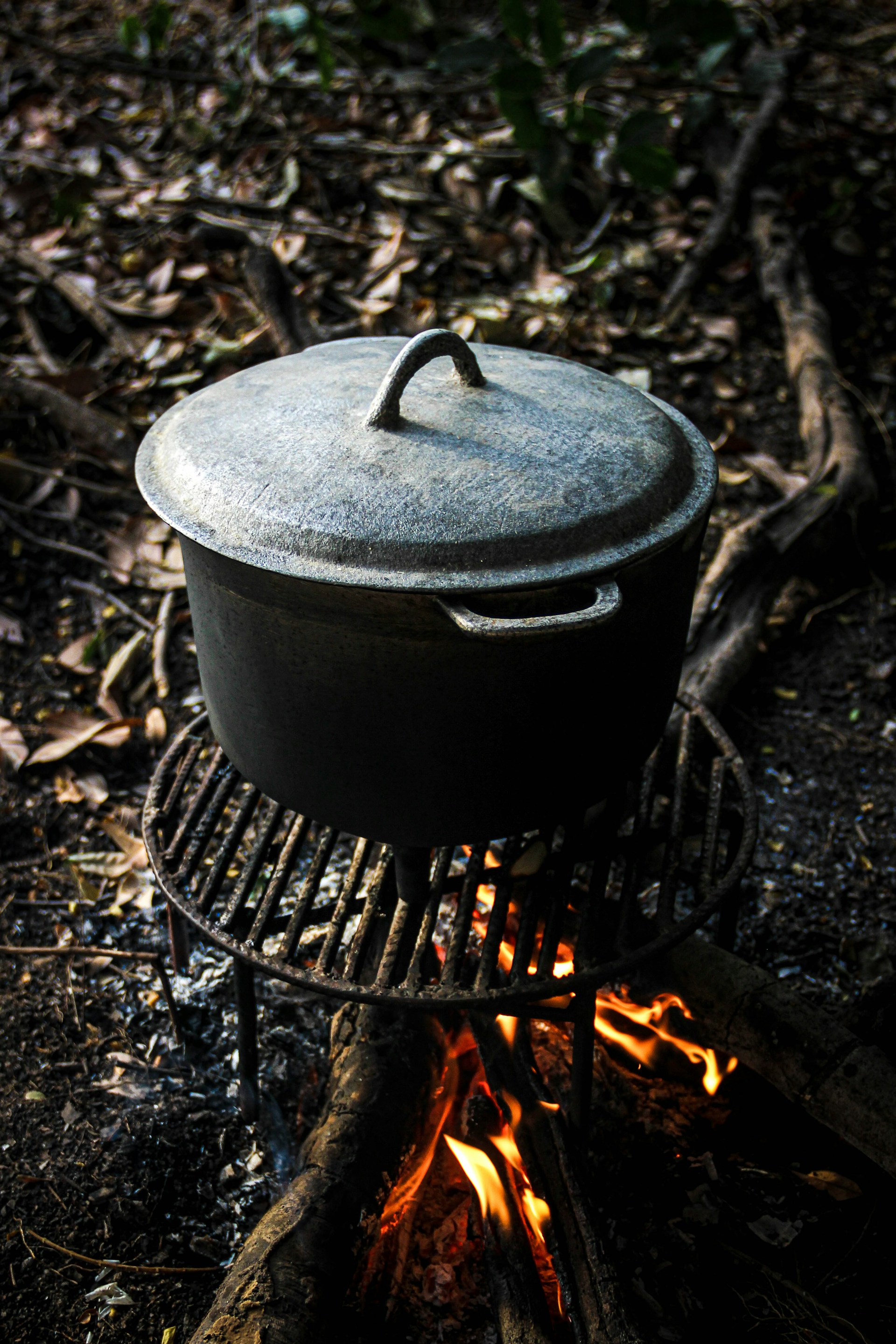
If your stove, microwave, and other kitchen appliances suddenly stop working, preparing a hot meal can become surprisingly difficult. Knowing how to cook with an outdoor camping stove, charcoal grill, or other suitable equipment gives you more options when electricity isn’t available.
Practice using your equipment before an emergency, and keep meals simple enough to prepare with limited ingredients. Never use charcoal grills, camping stoves, or other fuel-burning cooking equipment indoors or in garages because they can produce deadly carbon monoxide.
Related: 15 Common Habits That Drive Up Your Electricity Bill
Basic first aid and emergency response
A well-stocked first-aid kit is useful, but knowing what to do when someone is injured can make an even bigger difference. Learning CPR, how to control serious bleeding, and how to recognize signs of a medical emergency gives you practical knowledge you can use long before professional help arrives.
Organizations such as the American Red Cross offer first-aid and CPR training. Taking a hands-on course can help you become more confident using your supplies and responding appropriately when someone needs assistance.
Repairing clothing and household essentials
A torn jacket, broken zipper, or damaged household item might normally mean a trip to the store or ordering a replacement online. During an extended emergency, that may not be an option.
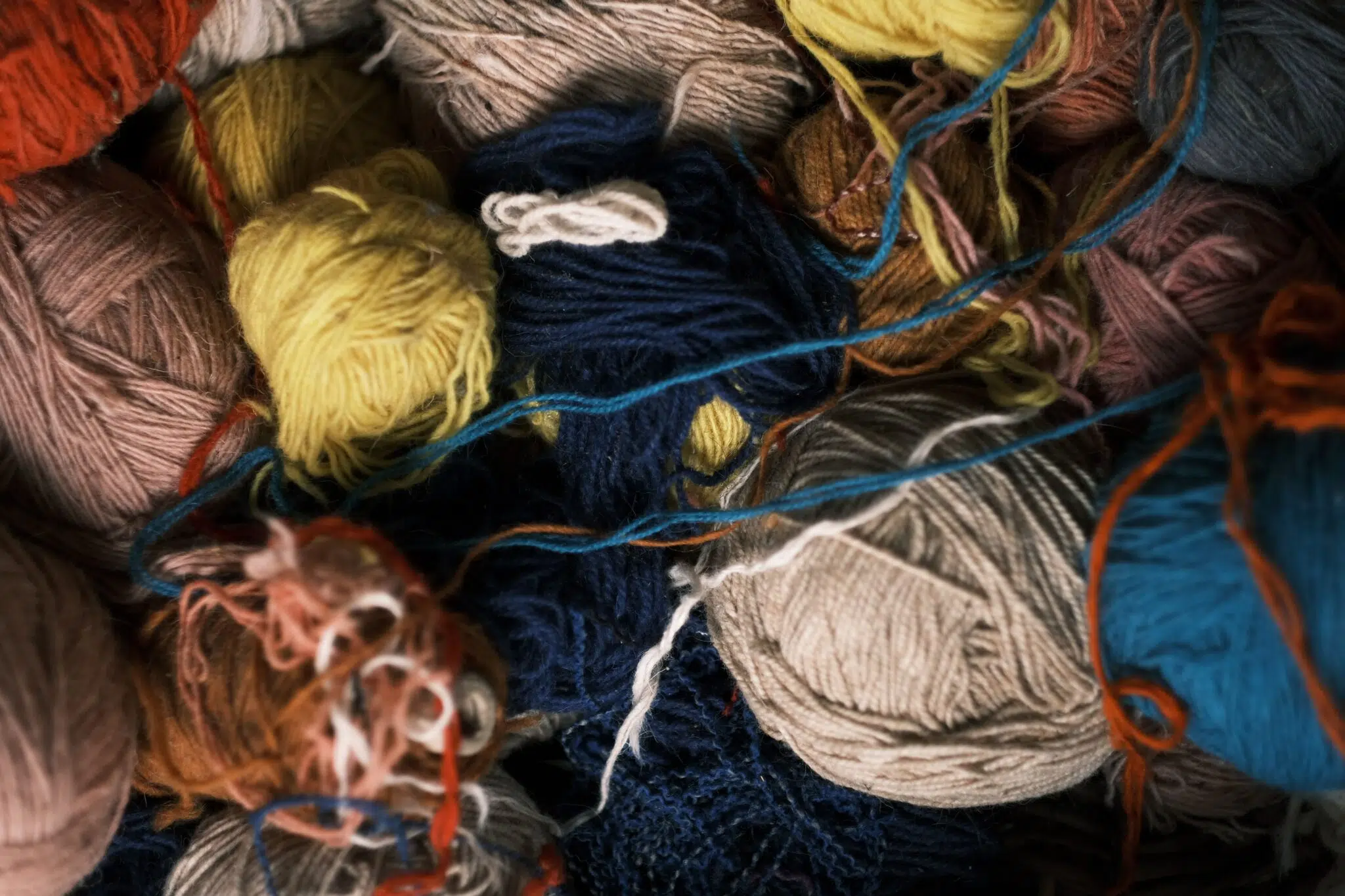
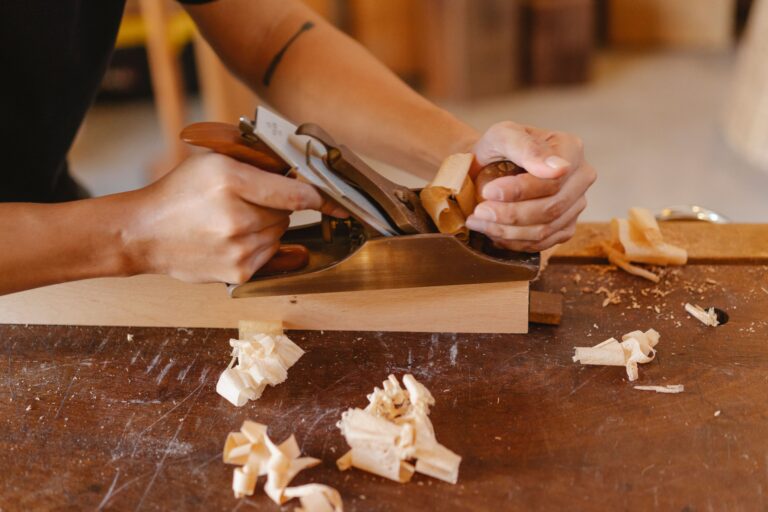
Learning basic sewing, patching, and simple household repairs can help you keep essential items usable for longer. Even knowing how to sew on a button, mend a tear, or maintain everyday equipment can save money and reduce your dependence on outside services.
Building and maintaining a safe outdoor fire
Knowing how to build a fire is often associated with wilderness survival, but it’s also a practical outdoor skill for camping and certain emergency situations. Understanding how to select appropriate materials, manage airflow, and extinguish a fire completely is more useful than simply owning a box of matches.
Practice only where outdoor fires are permitted, and conditions are safe. Wildfire restrictions, wind, drought, and local regulations can make open flames dangerous or illegal, so a fire should never be your only emergency cooking or heating plan.
Identifying edible plants safely
Foraging is another skill Barker highlights, and it requires much more knowledge than recognizing a few familiar berries or mushrooms. Some poisonous plants closely resemble edible varieties, and a mistake can lead to serious illness or death.
The safest way to learn is through an experienced local instructor who can teach plant identification, seasonal availability, and environmental hazards. Never eat a wild plant or mushroom unless its identity and safety have been confirmed by a qualified expert.
Navigating without GPS
Most people rely on their phones to get from one place to another, even when traveling somewhere familiar. But if your phone dies, you lose service, or digital maps become unavailable, knowing how to read a paper map and use a compass can help you find your way.
Start by practicing on familiar walking trails or in a local park. Learning to identify landmarks, understand map symbols, and follow a route without relying on your phone is a useful skill that doesn’t require expensive equipment.