Heavy rain might not seem like a major emergency until roads disappear underwater, drainage systems overflow, and neighborhoods become hard to reach. Flash flooding can develop quickly, sometimes leaving families with very little time to prepare or get to safety.
The threat has prompted Texas officials to mobilize additional emergency resources ahead of potentially dangerous storms. In Texas, Gov. Greg Abbott directed state emergency management officials to prepare rescue boats, search-and-rescue teams, and other resources as heavy rainfall threatened parts of South and West Texas.
It’s a reminder that homeowners shouldn’t wait until the last minute to think about flooding. Even households that have never experienced serious flooding can face problems when heavy rain overwhelms local drainage systems.
Fortunately, you can do several practical things before the next major storm arrives. From protecting important documents to knowing when to evacuate, these 10 steps can help your household prepare.
Know Whether Your Home Is in a Flood-Prone Area
You don’t have to live next to a river or coastline to experience flash flooding. Low-lying neighborhoods, areas with poor drainage, and locations near creeks or drainage channels can become dangerous when heavy rain falls faster than the ground can absorb it.
Check local flood maps and learn which roads around your neighborhood tend to flood. The CDC recommends identifying flood-prone areas and understanding your community’s evacuation routes before an emergency occurs.
Sign Up for Emergency Weather Alerts
A weather forecast calling for heavy rain isn’t the same as an official flash flood warning. Conditions can change quickly, so you should receive alerts even when you’re asleep, working, or away from home.
Make sure emergency alerts are enabled on your phone and consider keeping a battery-powered NOAA Weather Radio as a backup. According to the National Weather Service, a flood watch means flooding is possible, while a warning means flooding is happening or imminent and immediate action may be necessary.
Put Together an Emergency Supply Kit
If roads become impassable or electricity goes out, a well-stocked emergency kit can make a difficult situation much easier to manage. Keep drinking water, nonperishable food, flashlights, batteries, medications, a first-aid kit, and essential hygiene supplies somewhere you can access quickly.
Keep at least one gallon of drinking water per person and pet per day for at least three days. Store your supplies in a portable, water-resistant container so you can take them if you need to leave.
Clear Gutters, Downspouts, and Outdoor Drains
Clogged gutters and blocked drains can make an already serious rainstorm much worse for your home. Leaves, dirt, and other debris can prevent water from flowing away properly, increasing the chances of water pooling around your foundation or entering lower areas.
Before heavy rain arrives, check gutters, downspouts, and accessible drainage areas for obstructions. Make sure water drains away from your home, but avoid outdoor maintenance once severe weather begins.
Move Important Documents and Valuables to Higher Ground
Floodwater can destroy paperwork, photographs, electronics, and other belongings in minutes. Birth certificates, insurance policies, identification documents, medical records, and financial paperwork are especially important to protect.
Store essential documents in waterproof bags or containers, and keep them elevated and within reach. The CDC also recommends having identification, insurance information, and medical records ready to take if an evacuation becomes necessary.
Bring Outdoor Furniture and Loose Items Inside
Patio chairs, trash cans, gardening supplies, and other lightweight outdoor belongings can be swept away when strong winds and rising water arrive. These items can also block drainage areas or become hazards as water moves through a neighborhood.
Bring smaller items indoors and secure anything too large to move safely. If you keep chickens, livestock, or other outdoor animals, make arrangements to move them to a safer location well before flooding begins.
Know How to Shut Off Your Utilities Safely
Floodwater and electricity are an especially dangerous combination. If water reaches electrical outlets, appliances, or wiring, entering the area could expose you to serious electrical hazards.
Before an emergency, find where your home’s electrical panel, main water shutoff, and gas shutoff are located. Follow utility-provider and emergency-official instructions, and never enter standing water or approach submerged electrical equipment to turn anything off.
Make an Evacuation Plan Before You Need One
One of the worst times to figure out where you’re going is when floodwater is already rising around your home. Identify at least one safe evacuation route, know where higher ground is located, and make sure everyone in your household understands the plan.
Include arrangements for children, older family members, pets, and anyone who may need additional assistance. Practice your evacuation route and choose an out-of-area contact who can help family members stay connected if they’re separated.
Prepare Your Vehicle and Avoid Flooded Roads
If flooding is possible, don’t wait until the last minute to fill your gas tank or check your vehicle’s emergency supplies. Keep a flashlight, phone charger, first-aid supplies, and other essentials in your car, and avoid parking in low-lying areas where water tends to collect.
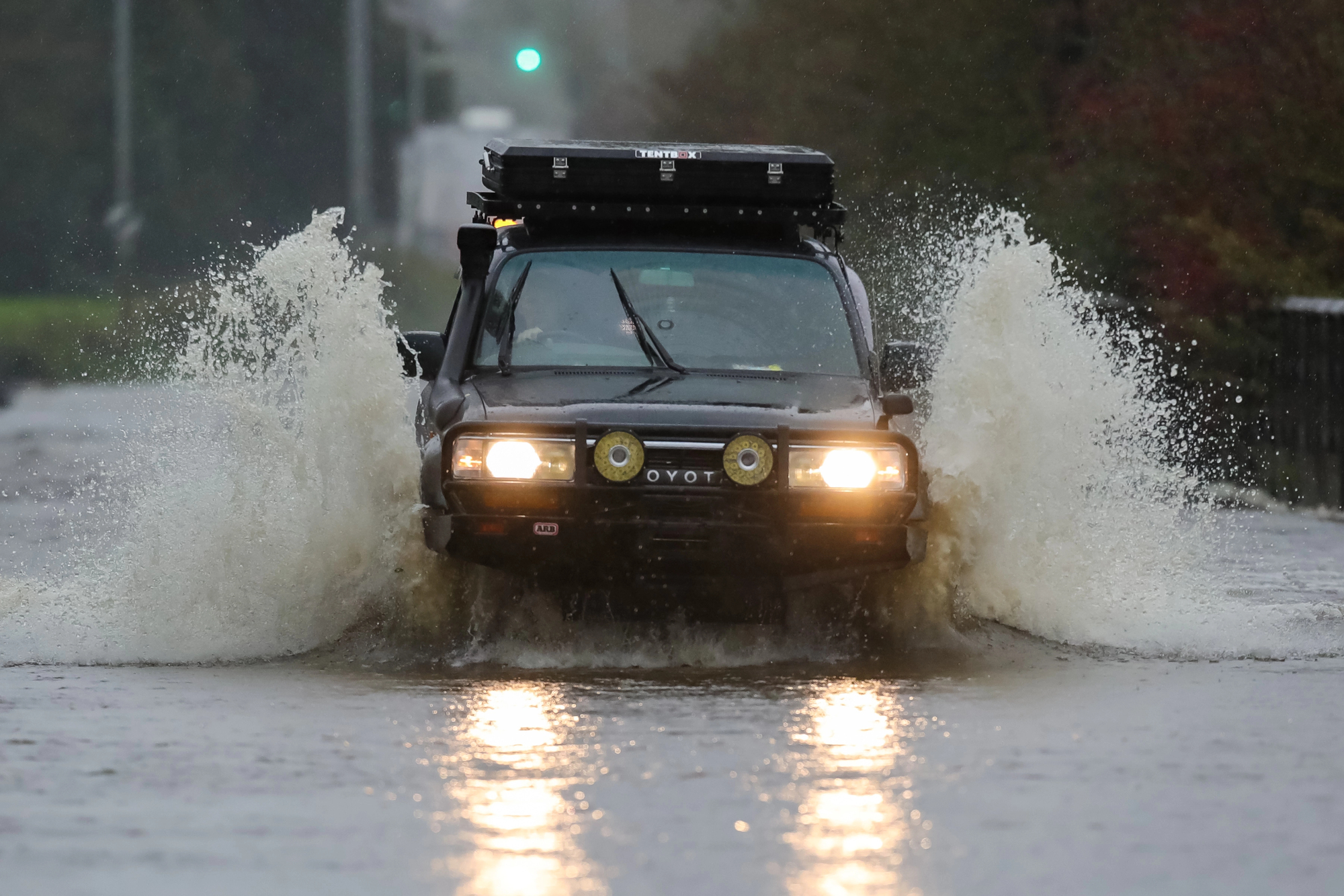
Most importantly, never attempt to drive through a flooded roadway. The National Weather Service warns that just 12 inches of moving water can float a car or small SUV, and floodwater can conceal washed-out pavement and other hazards.
Don’t Wait Until Water Starts Rising to Take Action
One of the most important parts of preparing for a flash flood is knowing when to leave. Waiting to see how bad conditions become can put your family at risk, especially when roads begin flooding and evacuation routes become inaccessible.
Pay close attention to local warnings and follow evacuation instructions immediately. If flooding is already occurring, move to higher ground when you can do so safely, stay out of floodwater, and contact emergency services if you’re trapped.