A basement can be a great place to store things, but it’s also where clutter goes when nobody knows what else to do with it. Old boxes get shoved into corners, broken appliances sit around waiting for repairs, and holiday decorations seem to take up more space every year.
Before long, the basement is so full that finding anything becomes a chore. Here are 16 things professional organizers would likely tell you to sort through during your next basement cleanout.
1. Old Books and Paperwork
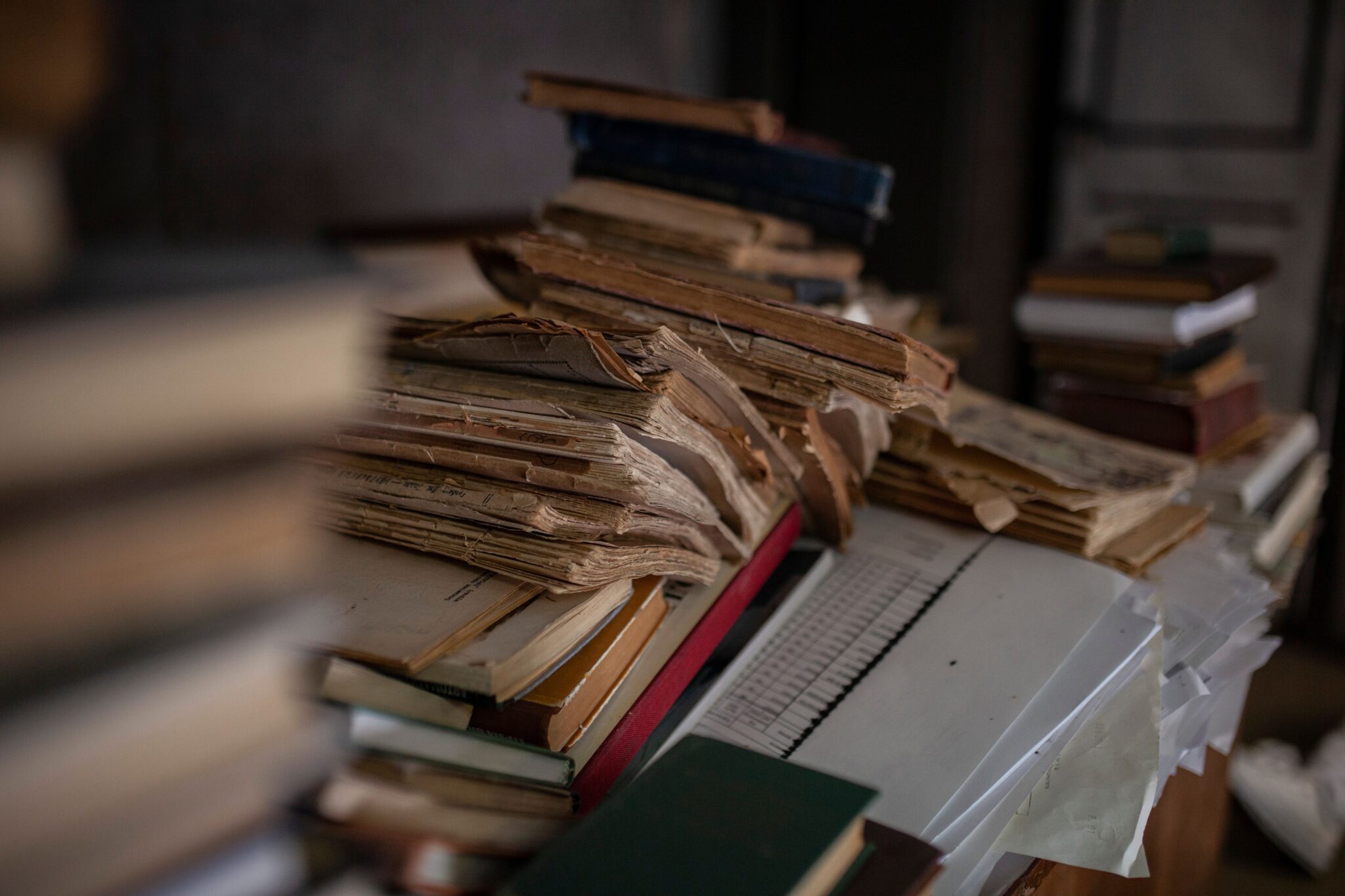
Books and paperwork can be surprisingly hard to part with, especially if you’ve convinced yourself you’ll read them again or might need those documents someday. Go through your shelves and stacks, keeping the books you enjoy and the paperwork you actually need.
For documents you want to save but rarely refer to, consider scanning them and keeping digital copies. Just make sure important originals, such as legal documents and certificates, are stored safely.
2. Suitcases and Travel Bags
Basements often end up holding suitcases, duffel bags, and travel bags that haven’t been used in years. Take a look at what you own and check for broken wheels, damaged zippers, torn handles, or other problems.
Keep the bags that suit your travel habits and are still in good condition. If a suitcase has been sitting untouched through several vacations or moves, it may be time to pass it along or get rid of it.
3. Old Paint Cans
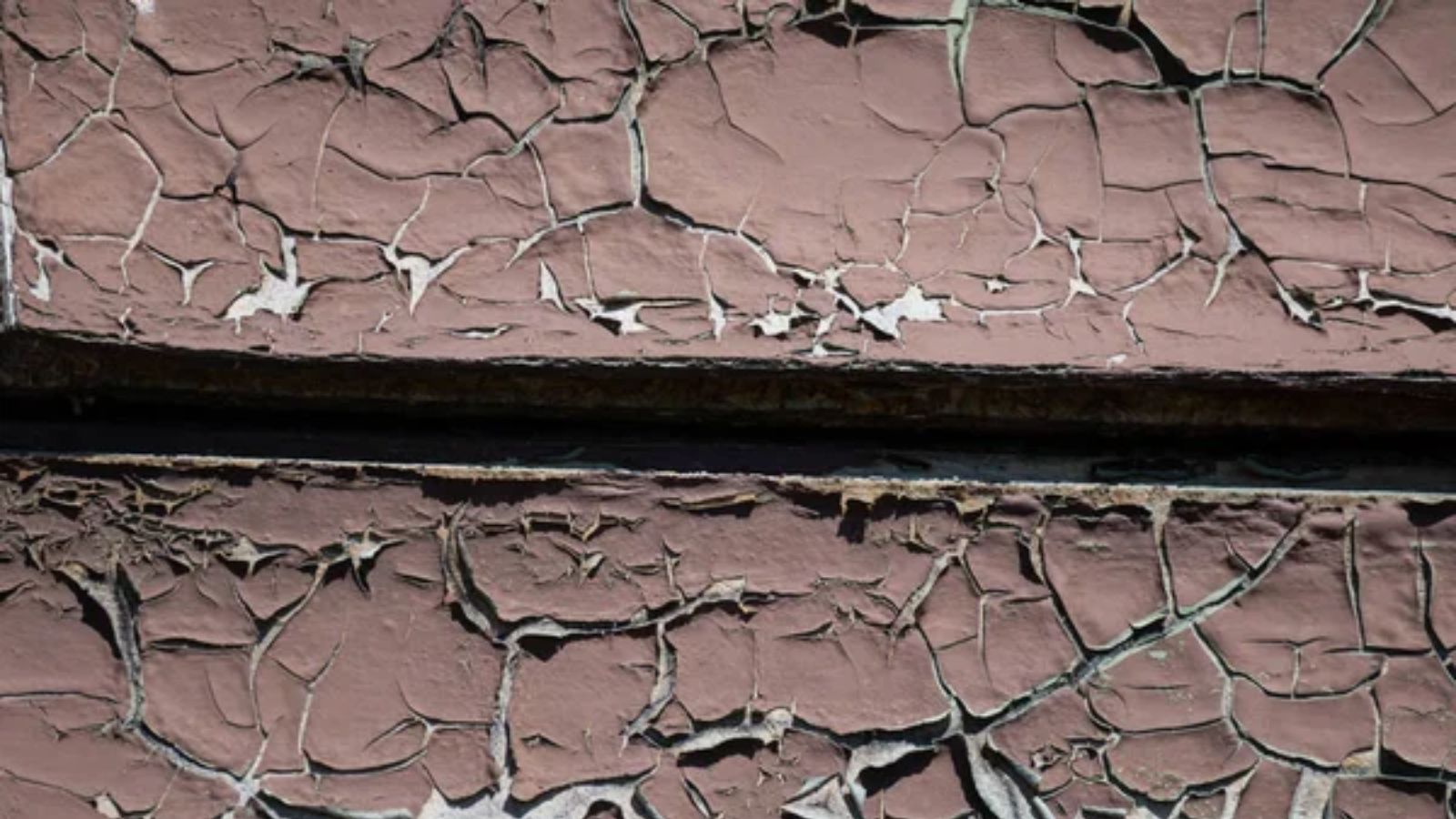
It’s understandable to save leftover paint for future touch-ups, especially if you recently painted a room. Keeping a small amount of usable paint makes sense, but dried-out cans and leftovers from projects you barely remember are probably taking up unnecessary space.
Check the cans you’re keeping, label them with the room or project they belong to, and store them according to the manufacturer’s instructions. Dispose of unwanted paint through your local household hazardous waste program rather than pouring it down the drain.
If the paint is still usable, see whether someone else can use it.
4. Broken Appliances
That old vacuum, blender, or television may have been sitting in the basement for years because you keep telling yourself you’ll get it repaired. Ask yourself how long you’ve been putting off the fix and whether you still have any real reason to keep the item.
If you’ve already replaced it or have no plans to repair it, let it go. Appliances with damaged cords, exposed wiring, or other electrical problems can also pose safety risks, so don’t leave them sitting around indefinitely.
5. Old Holiday Decorations
Holiday decorations seem to multiply every year, especially when you keep buying new ones without sorting through the old boxes. Before packing everything away again, check for broken lights, damaged ornaments, worn-out wreaths, and decorations you haven’t displayed in several seasons.
Keep the pieces you genuinely enjoy using and pass along anything that’s still in good condition but no longer fits your style. Your holiday storage will be much easier to manage when every box contains decorations you actually want to use.
6. Expired Canned and Packaged Food
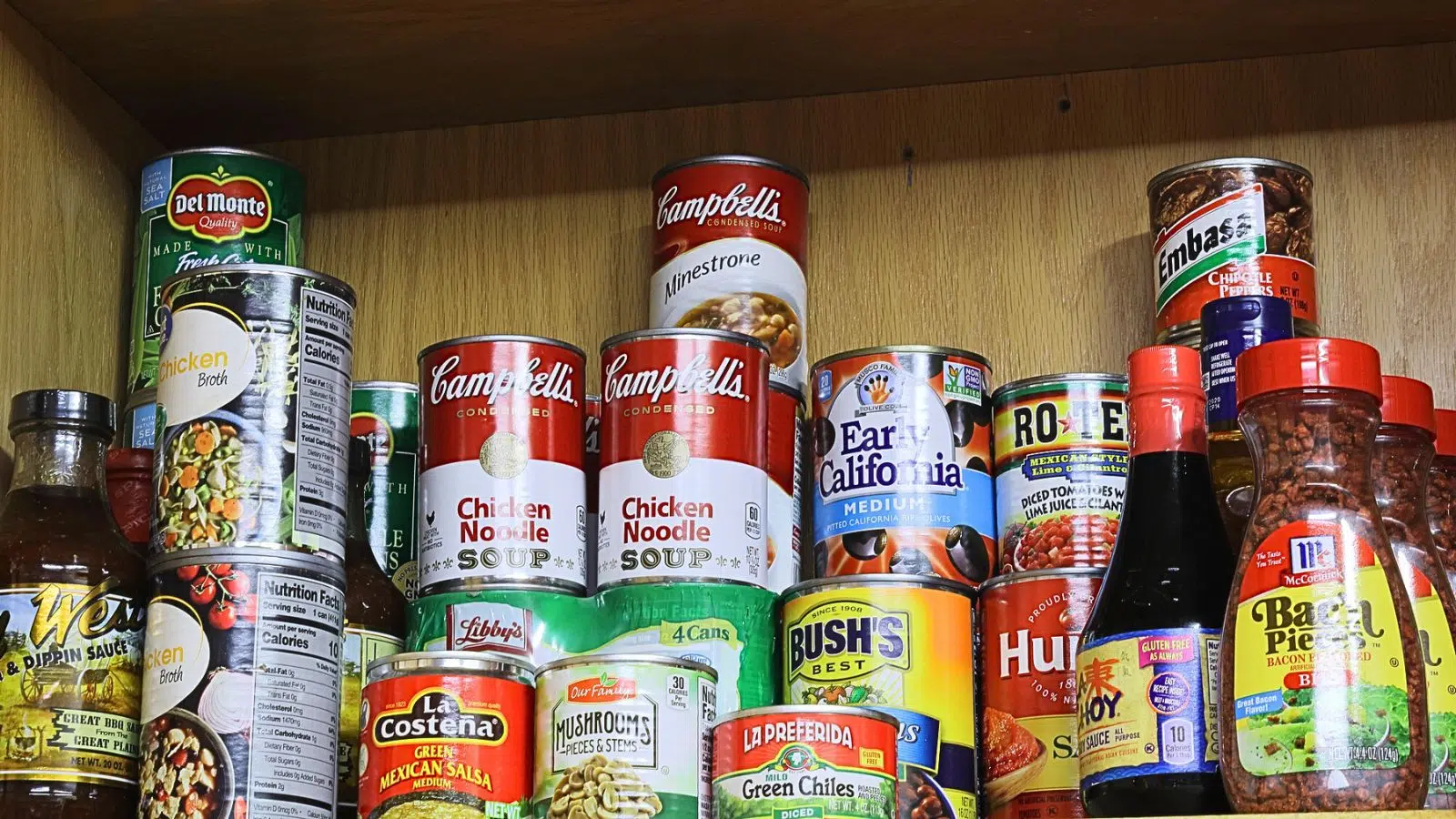
Using the basement as extra pantry storage can be handy, but don’t leave food there and forget about it. Check cans, jars, and packaged goods for expiration dates, damaged packaging, leaks, swelling, or signs of spoilage.
Throw away anything that’s questionable and keep the remaining food organized by date. Moving older items to the front makes it easier to use them before opening newer purchases.
7. Old Magazines and Newspapers
Stacks of magazines and newspapers can sit in a basement for years without anyone noticing. You might have saved them to reread an article, keep a special edition, or look through them someday.
Keep the issues that have real meaning or information you still need. You can usually recycle the rest, freeing up shelf space for something more useful.
8. Clothing Nobody Wears Anymore
Basements often become the holding place for clothes that no longer fit, old outfits, and pieces people hope to wear again someday. Go through those bags and boxes and be honest about what you’re likely to use.
Keep sentimental pieces if they matter to you, but don’t let forgotten clothing take over your storage space. You can donate gently used items, while local recycling programs may accept worn-out textiles.
9. Old Electronics and Mystery Cables
Old phones, computer equipment, televisions, chargers, and tangled cords are easy to collect and surprisingly hard to sort through. If you no longer own the device a cable belongs to, there’s probably no reason to keep it.
Separate the electronics you still use from items you can donate or recycle. Check your local e-waste collection options rather than throwing unwanted electronics into the regular trash.
Related: What to Do With Your Unwanted Items Besides Donating to a Thrift Store
10. Unused or Damaged Sports Equipment
Sports equipment can take up a lot of basement space, especially when it piles up in a corner after the season ends. Look for deflated balls, rusty equipment, cracked helmets, worn-out protective gear, and items your family no longer uses.
Check safety equipment carefully before giving it away, since damaged helmets and protective gear may no longer protect properly. Donate usable equipment, and look into recycling options for items beyond repair.
11. Furniture Nobody Uses
That old chair, couch, or table may have been moved to the basement as a temporary fix, only to stay there for years. If nobody uses it and you don’t have plans for it, there’s little reason to let it take up valuable floor space.
You can sell furniture in good condition or give it to someone who needs it. For broken or heavily damaged pieces, check your local bulk-waste collection rules.
12. Forgotten Pantry Items and Condiments
Sauces, condiments, baking supplies, and other pantry goods can easily get lost in basement storage. Check dates and packaging, and throw out anything with mold, an unusual smell, signs of spoilage, or damage that makes it unsafe to eat.
Old food can attract insects and rodents, especially if it’s left in damaged or poorly sealed packaging. Keep only what is still safe to use and store it in a clean, dry area.
13. Toys the Kids Have Outgrown
Children can outgrow toys faster than parents expect, leaving the basement full of games, stuffed animals, ride-on toys, and boxes of pieces nobody plays with anymore. Sort through everything and set aside toys that are still complete and in good condition.
Broken toys and games with missing pieces can usually go, while usable items can be donated or sold. Fewer toys also make it easier to find the ones your children still enjoy.
14. Old or Unused Medication
Don’t leave medication forgotten in a basement storage box. Heat, moisture, and other storage conditions can affect some medicines, so check the packaging and keep medications only under the conditions listed by the manufacturer.
Go through expiration dates and set aside anything expired or no longer needed for proper disposal. Many pharmacies and communities offer medication take-back programs, and you should always keep medicines away from children and pets.
15. Old Mattresses and Bedding
An unused mattress can take up a surprising amount of room, and storing it in a basement for years isn’t always a good idea. Dust, moisture, allergens, and pests can become problems if you don’t store mattresses and bedding properly.
Sort through old blankets, sheets, and comforters before putting them away again. Shelters or animal organizations may accept clean bedding, but check their donation rules first, and look into local mattress recycling or disposal services for old mattresses.
16. Excess Gift Bags and Wrapping Supplies
Gift bags, wrapping paper, ribbons, tissue paper, and greeting cards are easy to save because you think they’ll come in handy someday. Before you know it, you have boxes full of supplies you haven’t touched in years.
Keep a reasonable amount of wrapping materials that you know you’ll use, and recycle damaged or outdated paper. Save greeting cards that hold special memories, but let go of ordinary cards and excess supplies that are just taking up space.