Bathroom cabinets often become storage spots for things we barely use anymore. An old bottle gets pushed behind newer ones, makeup sits untouched in a drawer, and before long, the space fills with products you don’t even remember buying.
Here are 20 bathroom items worth checking the next time you tidy up.
1. Expired Medications
Check your medicine cabinet for old pills, vitamins, antacids, laxatives, and cold medicines. Expired medications may not work as expected, so check the dates and follow the label or local pharmacy guidelines for safe disposal rather than flushing them or tossing them out without checking.
Clearing out old medicine also makes it easier to find what you need when someone isn’t feeling well.
2. Old Toothbrushes
That toothbrush hiding at the back of your cabinet probably isn’t going back into your mouth. Dentists commonly recommend replacing toothbrushes every three to four months, or sooner if the bristles start looking worn or frayed.
If you keep an old toothbrush for cleaning grout or other household jobs, move it to your cleaning supplies. There’s no need to hold on to a pile of worn-out brushes you aren’t using.
3. Hotel Toiletries and Sample Products
Those little bottles of shampoo, conditioner, lotion, and skincare products can add up before you realize it. If you’ve been saving them for a future trip or special occasion but haven’t touched them in months, decide which ones are worth keeping.
Keep the samples you actually use and clear out the rest. Check for changes in smell, color, or texture before using any older products.
4. Leftover Soap Pieces
A small piece of soap can still be useful, but a drawer full of dried-out scraps is another story. If you like combining leftover pieces to make a new bar, keep them together in one spot.
Get rid of pieces that have become too small, dirty, or dry to use comfortably. There’s no reason to let them take up space indefinitely.
5. Old Makeup
Makeup has a limited shelf life, even if there’s still plenty left in the container. Foundation, mascara, lipstick, eyeshadow, and other cosmetics can change over time, and repeated use can introduce bacteria.
Check for unusual smells, color changes, separation, or a formula that has dried out or become clumpy. If you can’t remember the last time you used a product, that may be another reason to toss it.
6. Expired First Aid Supplies
Check your first aid supplies, including rubbing alcohol, hydrogen peroxide, antibiotic ointments, creams, and other treatments. Some products may lose their effectiveness after their expiration dates.
If you keep a first aid kit at home, replace anything expired so you aren’t left searching for usable supplies during a minor accident.
Related: Amazon Basics Hydrogen Peroxide Solution
7. Dried-Out Cleaning and Personal Care Wipes
Have a package of wipes left open that turned into a stack of dry cloths? If the wipes have dried out, there’s little reason to keep them in your cabinet.
Replace them if you use them regularly, and make sure the package is sealed properly next time. Also, don’t put wipes down the toilet just because the packaging calls them flushable; throwing them in the trash is a safer choice for your plumbing.
8. Old Loofahs and Bath Sponges
Loofahs and bath sponges can stay damp between showers, making them places where bacteria and mold can grow. If yours smells strange, shows visible mold, discoloration, or a worn-out texture, it’s time to replace it.
Don’t keep these bath accessories forever, even if they still look usable. Washcloths are another option since you can toss them in the laundry after each use.
9. Worn-Out Towels
Some towels stay in the linen closet for years simply because they’re still technically usable. If yours has large stains, holes, thinning fabric, or a rough texture that makes it uncomfortable, it may be time to remove it from your regular towel supply.
Ask yourself whether you’d feel comfortable giving it to a guest. If not, turn it into a cleaning rag or throw it out.
10. Expired Sunscreen
Sunscreen shouldn’t sit in the back of your bathroom cabinet for years. Check the expiration date and toss bottles that are past it or have noticeable changes in color, smell, or texture.
Since sunscreen protects your skin from UV exposure, replace an old bottle rather than risk using one that may no longer work as intended. Pick up a fresh one before your next beach trip or day outdoors.
11. Damaged Hair Brushes and Combs
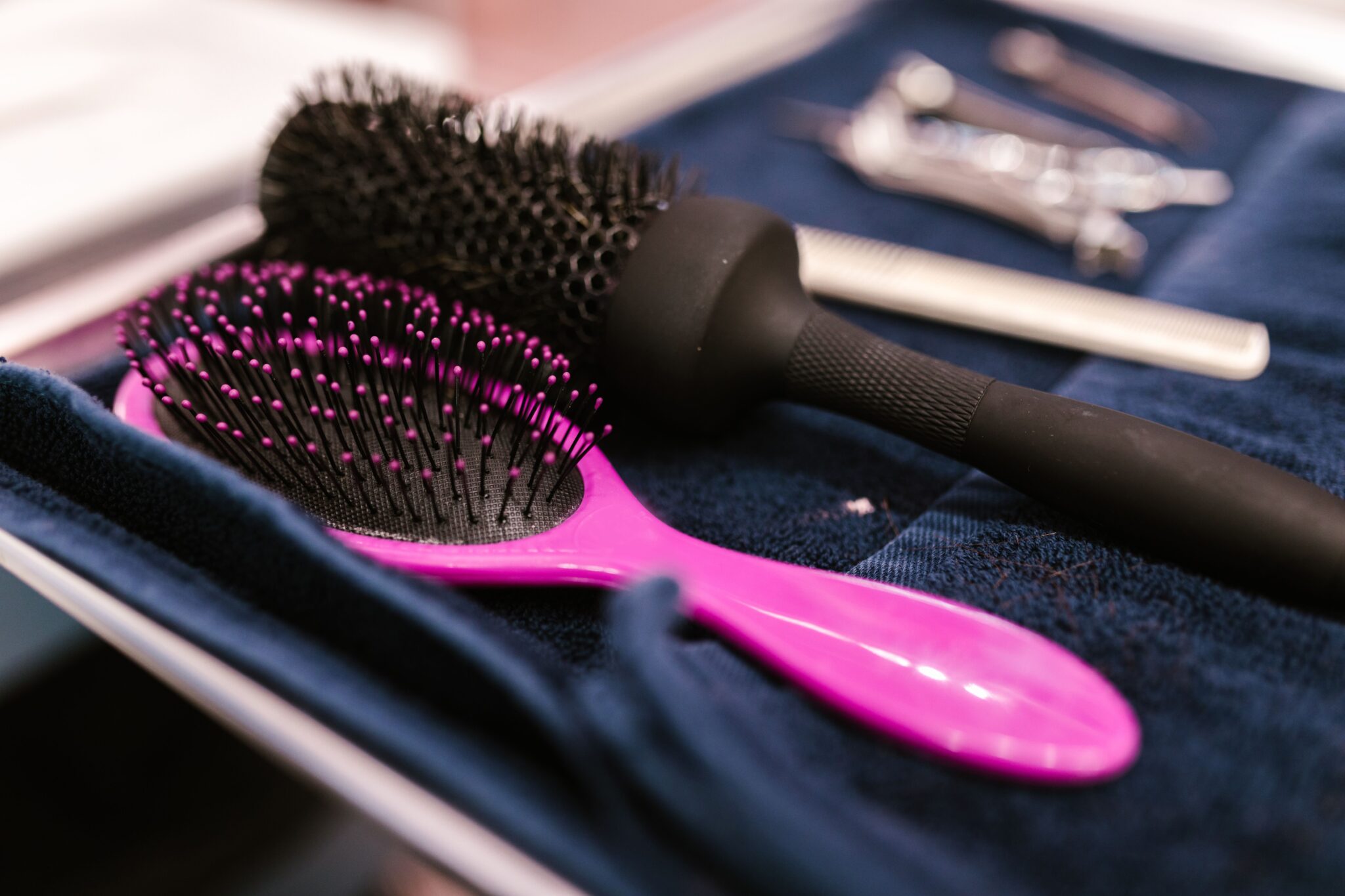
Hair brushes and combs collect loose hair, oils, dust, and product buildup with regular use. Cracked handles, broken teeth, bent bristles, or stubborn buildup are all reasons to consider replacing them.
Give your brushes a good cleaning before deciding they’re ready for the trash. If they’re still damaged or snag your hair after cleaning, it’s time to replace them.
12. Broken Hair Styling Tools
Hair dryers, curling irons, flat irons, and other heated tools don’t last forever. Check their cords and bodies for fraying, exposed wires, cracks, discoloration, strange smells, or heating problems.
Don’t keep using a tool that shows signs of electrical damage just because it still turns on. Replace damaged appliances and follow local guidelines for disposing of electronic items.
13. Products You Didn’t Like
Most bathrooms have a few products that seemed like a good purchase at the time but never became part of the daily routine. Maybe a shampoo left your hair feeling dry, a lotion smelled unpleasant, or a skincare product just didn’t suit you.
If you already know you won’t use it again, there’s little reason to keep it around. Check whether you can give away an unopened product or recycle its packaging under your local guidelines.
14. Too Many Duplicate Products
Do you really need four bottles of the same shampoo or three unopened tubes of toothpaste? Keeping a backup or two can be handy, but buying too many duplicates can fill your cabinets.
Group similar products together and check what you already have before shopping. You might find that you’re stocked up on shampoo, body wash, lotion, and toothpaste for months.
15. Empty Bottles and Containers
An empty bottle isn’t doing you any favors just because it’s still sitting in the cabinet. Check travel bottles, skincare containers, hair products, and other toiletries for those last tiny drops that aren’t enough for another use.
Rinse and recycle the containers if your local program accepts that type of plastic. Clearing out even a few empty bottles can free up more room than you’d expect.
16. Mystery Bottles
Almost everyone has at least one bottle they can’t identify. The label may have faded, the cap might be missing, or the contents may have been transferred into another container without a label.
Check the packaging if you can, but don’t use a product if you can’t confirm what it is or whether it’s safe. If you still can’t identify it, follow local household chemical or medication disposal guidelines.
17. Old Razors
Razors and replacement blades shouldn’t stay in your cabinet forever. Dull blades can cause irritation, and rusty or damaged ones are better replaced than used again.
Be careful with loose blades when throwing them away. Place them in a suitable puncture-resistant container so they don’t injure anyone handling the trash.
18. Broken Manicure Tools
Check your manicure supplies for nail clippers that no longer cut properly, cracked nail files, rusty tools, and broken tweezers. These little items may seem harmless, but a handful of damaged tools can take up more drawer space than you’d think.
Keep the ones that still work and get rid of the rest. There’s no reason to keep tools that make trimming your nails or grooming harder.
19. Worn-Out Hair Accessories
Hair ties stretch out, clips break, and bobby pins somehow end up everywhere. Sort through your collection and toss anything that’s broken, stretched beyond use, or missing a piece.
Keep the accessories you actually wear and move the extras out of your bathroom cabinet. A small container or organizer can keep the ones you decide to save from getting scattered around.
20. Unused Products Still in Their Packaging
Sometimes the easiest things to clear out are products you’ve never even opened. If something has been sitting in its original packaging for months, ask yourself whether you still want or need it.
An unopened product that’s still safe to use may be suitable for donation or giving to someone else, depending on the item. If not, follow the disposal instructions and make room for things you’ll actually use.