Decluttering can feel incredibly satisfying. There’s something refreshing about clearing out the things you no longer use and finally making room in your home. But getting rid of clutter doesn’t mean tossing everything that seems old or unnecessary.
Some items are easy to replace, while others are much harder to get back once they’re gone. A box of family photos, an old cast iron
Before you fill that donation box or head for the trash, take a second look at these 12 things. They may deserve a spot in your home after all.

Photographs
Phone photos are convenient, but they don’t quite have the same feeling as holding an old photograph in your hands. Printed pictures of family members, pets, holidays, and special occasions can become treasured keepsakes over the years.
Even if you have digital copies, think twice before throwing away the originals. Keep your favorites in photo albums, scrapbooks, or frames, and store the rest somewhere dry and protected.
Sentimental Items
Some things are worth keeping simply because they mean something to you.
A grandmother’s locket, a handwritten note, a childhood keepsake, or a gift from someone special may have little monetary value, but that doesn’t make it disposable. These pieces often carry memories that can’t be replaced once they’re gone.
You don’t need to keep every sentimental object you’ve ever received. But if an item still has a special meaning, give it a proper home instead of tossing it during a decluttering spree.
Books You Love
There’s no reason to get rid of a book you genuinely enjoy just because you’re trying to make your shelves look less crowded.
Keep the novels you reread, reference books you use, favorite cookbooks, and titles that hold special memories. A personal book collection can make a home feel more like your own, too.
If your shelves are overflowing, sort out the books you’ve never enjoyed or know you won’t read again. That gives your favorite titles room to stay.
Important Documents
Old paperwork can be confusing during a cleanout, especially when important documents are mixed in with expired receipts and outdated files.
Birth certificates, passports, tax records, property documents, insurance paperwork, and other legal records should be stored safely rather than tossed. Keep them in a labeled file system, fire-resistant safe, or another secure location where you can find them when needed.
Emergency Supplies
A decluttering session can make it tempting to get rid of things you rarely use. Emergency supplies are a different story.
First-aid kits, flashlights, spare batteries, backup chargers, and other emergency items might sit untouched for months or years, but that doesn’t mean they’re useless. Store them together in an easy-to-reach location so you know where to find them during an outage or other emergency.
Related: 14 Essential Items to Stockpile Monthly for a Strong Emergency Stash
Spare Parts and Tools
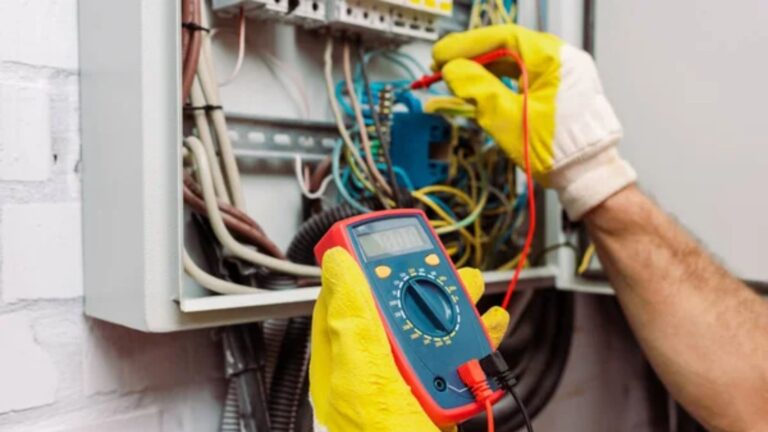
A drawer full of random screws and bolts may look like clutter, but some of those little pieces can save you a trip to the hardware store.
Keep useful spare parts, hardware, and basic tools together in a toolbox or small organizer. If you have no idea what a particular piece belongs to and it has been sitting around for years, that’s a different story. But useful hardware is worth keeping if you have a practical place for it.
Cast Iron Pans
A cast iron skillet can last for decades, and some are passed down through families. So, if you find an old one during a kitchen cleanout, don’t automatically assume it belongs in the trash.
Rust, burned-on food, and years of neglect can often be dealt with. With some cleaning and seasoning, an old cast iron pan can become useful again.
Related: How to Remove Rust From Cast Iron Grill Pan
Instructional Manuals
Instruction manuals have a habit of disappearing right when you need one. Tossing them all may seem like an easy way to reduce paper clutter, but some manuals contain information that can be difficult to find elsewhere.
Appliance manuals can include model numbers, maintenance instructions, troubleshooting information, and replacement part details. Keep the manuals for appliances and equipment you still own, and recycle the ones for items that have long since left your home.
A single folder or binder can keep them from taking over a drawer.
Spare Keys
That mystery key in your drawer may be useless, or it could be the spare key you’ll desperately need six months from now.
Keep keys for your home, garage, shed, storage areas, vehicles, and other important locks. Label them so you know what each one opens, and place them in a small key box or another secure location.
If you truly have no idea what a key belongs to after checking around the house, then it may be time to let it go.
Cords and Cables
Cords are another category that can quickly become overwhelming. It’s easy to end up with a drawer full of cables from old phones, computers, appliances, and other electronics.
That doesn’t mean every cable should go.
Before tossing them, sort through the collection and identify what you still use. Keep useful charging cables, extension cords, and cords that belong to appliances you still own. Label them or store them in separate bags so you can find the right one without digging through a tangled pile.
Seasonal Decorations
Holiday decorations can take up a fair amount of storage space, which makes them an easy target during a decluttering session. But decorations you genuinely enjoy are worth keeping.
Christmas ornaments, Halloween decorations, seasonal tableware, and other holiday pieces can bring back memories year after year. Instead of getting rid of them simply because you only use them once a year, pack them carefully in labeled containers and give them a dedicated storage spot.
Travel Souvenirs
A souvenir doesn’t have to be expensive to be meaningful.
A keychain from a favorite trip, a postcard, a small piece of artwork, or another memento can bring back memories of a place you visited years ago. If an item still makes you smile or reminds you of someone or somewhere special, there’s a good reason to keep it.
Give your favorites a place where they can be seen rather than leaving them buried in a box. A shelf, display case, or shadow box can turn a handful of meaningful souvenirs into a small collection of memories.
Other Topics You Might Like
- 10 Strange Things That Are Surprisingly Smart to Stockpile
- How to Clean a Wood Cutting Board
- 15 Safe Ways to Clean a Cast Iron Skillet Without Ruining the Seasoning
- 12 Things Professional Organizers Would Never Store Under the Kitchen Sink
- 12 Small Habits That Make a Big Difference in Keeping Your Home Clean