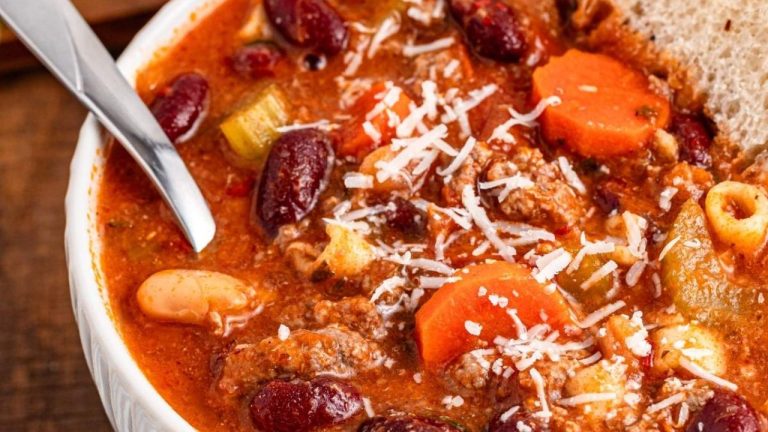
How many times have you opened your refrigerator, spotted a date that passed a few days ago, and tossed something without giving it a second thought? Nobody wants to risk food that might have gone bad, but sometimes we throw away perfectly good groceries.
Many dates printed on food packages reflect quality more than safety. A “best by” date generally tells you when a product is expected to taste its best, not necessarily when it becomes unsafe to eat.
Before throwing away everything past its printed date, consider these 14 foods that may still have some life left.
1. Oats
That container of oatmeal sitting in the back of your pantry may still be perfectly usable even if the best-by date has passed. Rolled oats can last a long time when kept dry and stored in an airtight container, but check for insects, mold, or a rancid smell before using them.
2. Peanut Butter
You don’t need to toss an unopened jar of peanut butter just because its best-by date was last month. Commercial peanut butter can remain good beyond that date when stored properly, although a rancid, bitter, or paint-like smell means it’s time to replace it.
3. Canned Goods
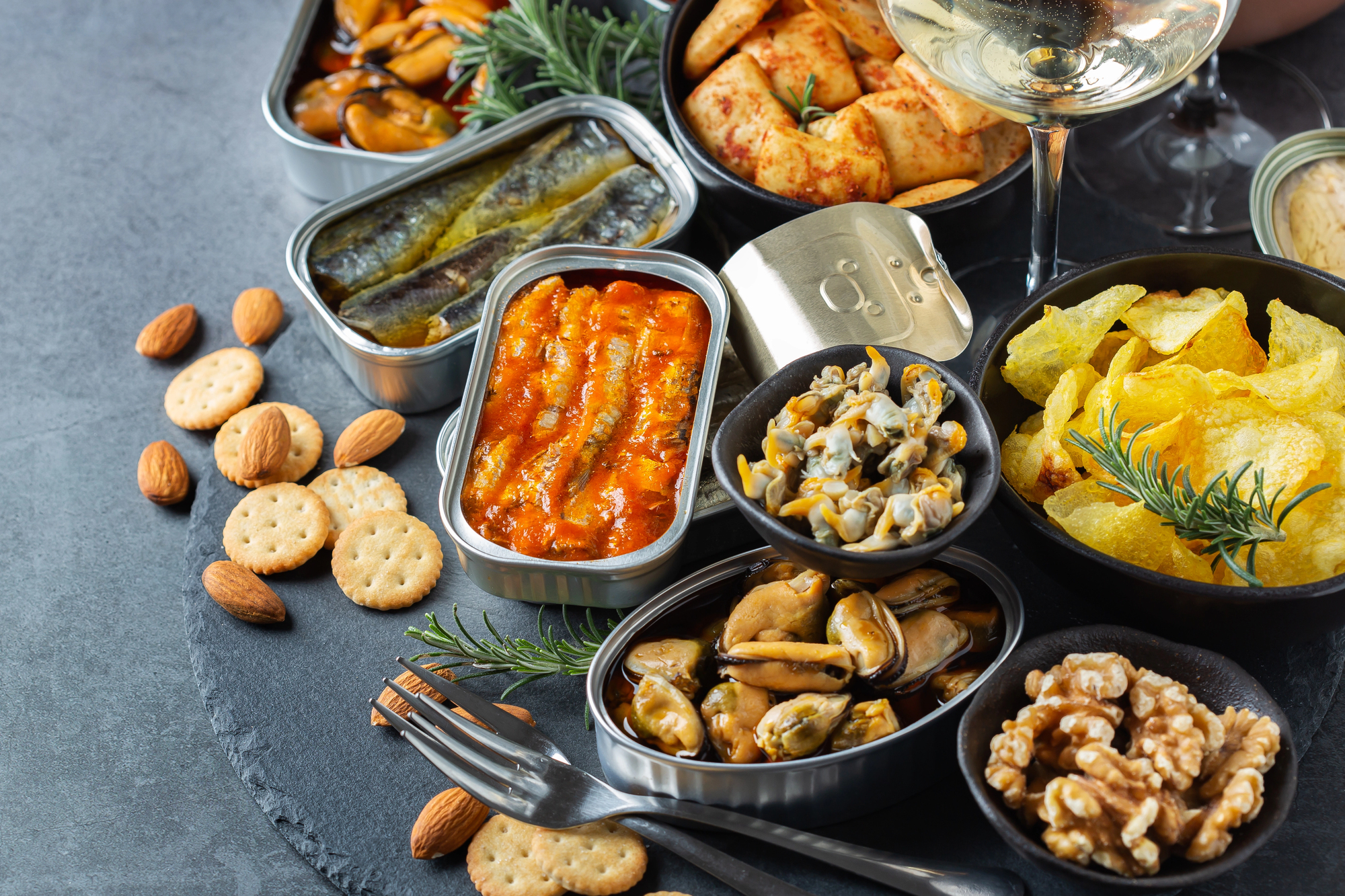
Many commercially canned vegetables, beans, and soups can remain safe beyond their best-by dates when stored in a cool, dry place. However, cans that are swollen, leaking, badly rusted, or deeply dented, especially around the seams, should be discarded without tasting the contents.
Related: 17 Seasonings and Condiments Every Emergency Pantry Should Have
4. Dried Pasta
A box of dried spaghetti doesn’t suddenly become unusable because the date on the package has passed. Dried pasta can last well beyond its best-by date when stored in a cool, dry place, but moisture, mold, or pantry pests mean it belongs in the trash.
Related: 15 Pantry Staples That Can Turn Into Hundreds of Meals
5. Baking Soda
That old box of baking soda may still be useful even if it’s no longer doing much for your baking. Baking soda gradually loses its effectiveness as a leavening agent, but you can still use uncontaminated baking soda to deodorize, scrub surfaces, and do other household cleaning jobs.
6. Honey
Honey can remain usable for an exceptionally long time when stored in a tightly closed container because its low moisture content makes it difficult for many microorganisms to grow. If your honey becomes thick or grainy, it has probably crystallized rather than spoiled, and gently warming the container in water can help return it to a liquid state.
7. Rice
White rice can last for years beyond its best-by date when stored in an airtight container away from moisture, heat, and insects. Brown rice has a shorter shelf life because its natural oils can turn rancid, so check older packages for unusual odors or signs of spoilage.
8. Dried Beans
Dried beans can remain usable long after the date printed on the package, as long as they’ve been protected from moisture and insects. Older beans may take longer to soften during cooking, but discard them if they show mold, dampness, or signs of contamination.
9. Salt
Pure salt doesn’t spoil under normal storage conditions, even if the package has a printed date. Moisture may cause it to clump, but that doesn’t necessarily make it unusable, although iodized and seasoned salts can lose quality over time.
10. Granulated Sugar
Granulated white sugar can last for years when stored in a dry, airtight container, even after its best-by date. It may develop hard lumps from moisture, but as long as it’s free from insects, mold, and other contamination, those lumps aren’t necessarily a reason to throw it away.
11. Powdered Milk
Unopened powdered milk may remain usable beyond its printed date when stored somewhere cool and dry, although its quality gradually declines. Before using an older package, check for discoloration, moisture, unusual clumps, or a stale smell, and refrigerate the milk promptly after mixing it with water.
12. Vinegar
Distilled white vinegar can remain usable long after its best-by date because its high acidity resists spoilage. Other vinegars, including apple cider vinegar, may develop harmless sediment or changes in appearance over time, so keep bottles tightly closed and follow their storage instructions.
13. Eggs
The date on an egg carton doesn’t necessarily mean the eggs become unsafe the following day, but they still have a limited refrigerated shelf life. According to USDA guidance, raw eggs in their shells generally keep for three to five weeks at 40°F or below, and the popular float test cannot determine whether an egg is safe to eat.
14. Hard Cheese
Hard cheeses such as cheddar and Parmesan can sometimes remain good beyond their best-by dates when properly refrigerated. If a small mold spot appears on a firm block, USDA guidance allows you to cut away at least one inch around and below the mold, while soft, shredded, sliced, or crumbled cheeses with mold should be discarded.