Hay is an important investment for homesteaders who keep horses, cattle, goats, sheep, or other livestock. Whether you grow your own forage or purchase it from a local supplier, storing hay properly helps preserve its nutritional value, prevent spoilage, and reduce unnecessary waste.
The challenge is keeping bales dry from harvest or delivery until they are ready to feed. Rain, ground moisture, poor ventilation, and improper stacking can all contribute to hay losses. Fortunately, a few practical storage improvements can make a significant difference, even on a small homestead without a dedicated hay barn.
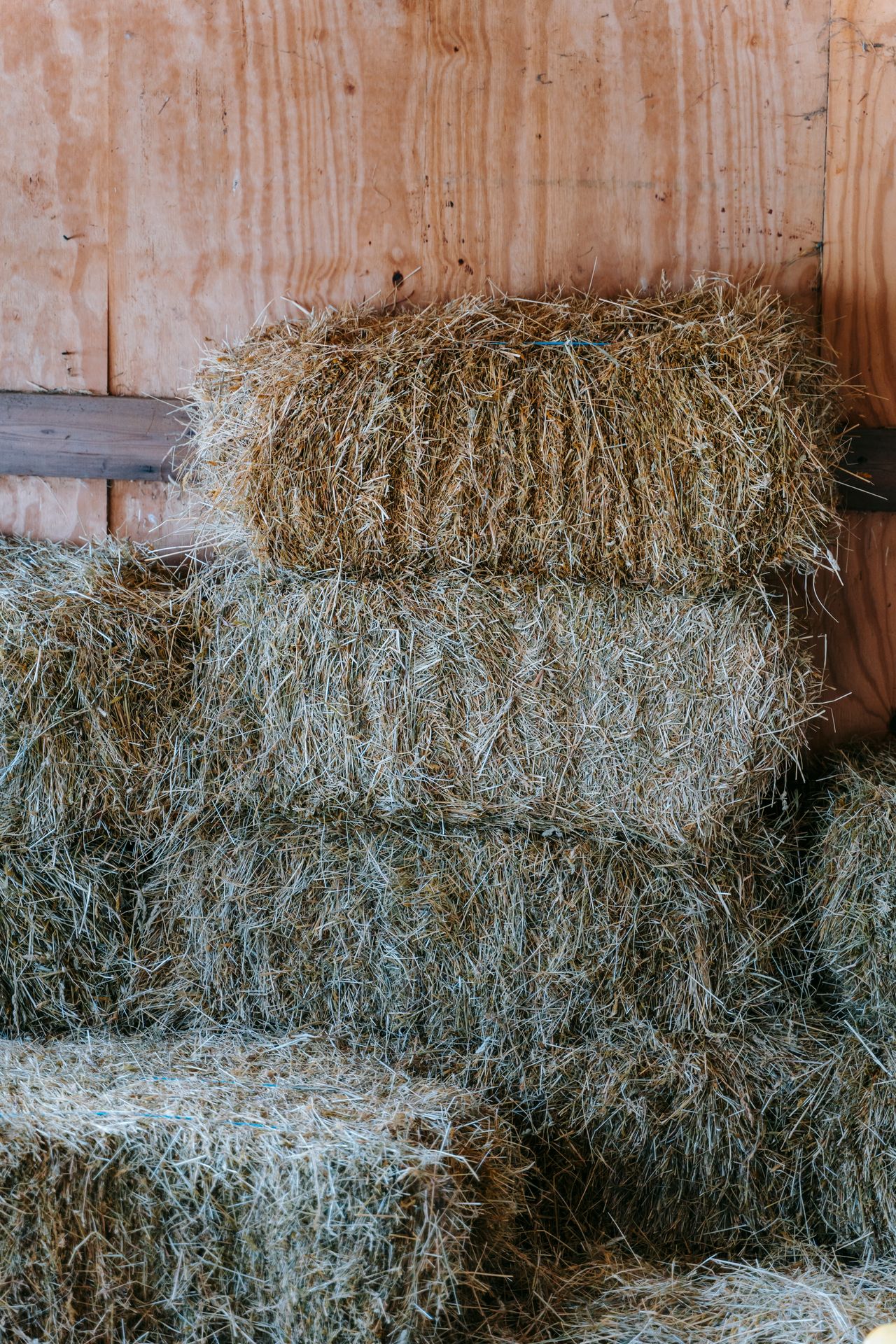
Choose a Suitable Storage Location
The first step is finding a location that protects hay from moisture and allows air to circulate. A roofed barn or shed with good ventilation is generally one of the best options because it limits exposure to rain while allowing moisture to escape.
If you do not have a dedicated hay barn, consider alternative storage solutions, such as shipping containers, while making sure the space has adequate ventilation and moisture control to help keep your hay dry and in good condition.
If you store hay outdoors, look for a relatively level, well-drained area that gets plenty of sunlight. Avoid placing hay beneath trees or in low spots where water collects after heavy rain. Shaded locations can remain damp longer, increasing the risk of spoilage.
Consider the layout of your homestead before choosing a site. Hay should be accessible for unloading, moving, and feeding, but it should also be stored away from potential fire hazards. Leave suitable clearance from equipment, electrical sources, and other ignition risks.
In humid regions or areas with frequent rainfall, covered storage is especially valuable. Hay that is baled with excessive moisture can heat up during storage and, under certain conditions, create a fire hazard. If storing hay indoors, use an appropriate moisture and temperature probe to monitor questionable bales, particularly after harvest or delivery.
Keep Hay Bales Off the Ground
Ground moisture is one of the most common causes of hay spoilage. Even when the weather is dry, moisture from damp soil can gradually move into the bottom of a bale. This process, known as wicking, encourages mold growth and can cause the lower layers of hay to deteriorate.
A simple way to reduce this risk is to create a dry, raised surface beneath the bales. Depending on your storage setup, options include:
- Gravel: A well-drained gravel base helps limit direct contact between hay and damp soil.
- Pallets: Wooden pallets can elevate bales and allow air to circulate underneath them.
- Suitable raised supports: Properly positioned supports can keep bales above the ground, provided they are stable and capable of carrying the load safely.
Make sure the ground beneath the storage area drains properly before adding any raised surface. Pallets placed in a muddy or waterlogged area will not solve the underlying drainage problem.
The financial benefits can be substantial. An Iowa State University Extension article titled “Hay Storage and Considerations” reports estimated dry matter losses of 27% for hay stored outdoors on bare ground without a cover, compared with 13% for hay stored outdoors on gravel or pallets without a cover. These figures illustrate how a relatively simple change can help preserve more of the forage you have purchased or harvested.
Provide Protection From Rain and Snow
Once hay is elevated, the next priority is protecting it from precipitation. Repeated exposure to rain and snow can damage the outer layers of bales, while moisture entering the stack may lead to mold and deterioration.
A roofed structure provides dependable protection when it is available. For homesteaders storing hay outdoors, a properly secured tarp can be a practical alternative.
When using a tarp, keep these points in mind:
- Cover the top and exposed surfaces of the bales.
- Secure the cover against wind so it does not shift or collect rainwater.
- Arrange the cover to encourage water to run away from the hay.
- Avoid sealing the stack so tightly that trapped moisture cannot escape.
- Check the cover regularly for tears, loose fastenings, and areas where water pools.
The Iowa State University article reports estimated dry matter losses of 13% for outdoor hay stored on gravel or pallets under a tarp and 5% for hay stored outdoors on gravel or pallets with wrapping. These are estimates for particular storage methods, not guaranteed results for every homestead. Actual losses depend on weather, bale condition, storage duration, and how well the hay is protected.
Do not assume that covering hay will make already damp or spoiled bales safe. Hay should be adequately dry before being stored, and any questionable bales should be assessed carefully.
Arrange Bales to Encourage Airflow
How you position hay can influence how well it stays dry. Bales packed tightly together may restrict airflow, while poor stacking can allow rainwater to collect or run into lower layers.
For outdoor storage, placing bales end-to-end in a single row is a straightforward option when you do not have a suitable cover. Avoid allowing the rounded sides of neighboring bales to press against each other unnecessarily, and leave enough space between separate rows for air movement and inspection.
If you need to store several rows, the Iowa State University guidance recommends leaving at least 3 feet between rows to promote airflow. Where the site has a natural slope, arranging rows along the slope can help water drain away rather than accumulate around the bales.
Avoid stacking hay outdoors without adequate protection. Upper bales can direct rainwater onto the bales below, increasing their exposure to moisture. If you must stack bales, use a stable arrangement and an appropriate cover, and follow safe stacking practices to prevent the stack from shifting or collapsing.
Inside a barn, ventilation is equally important. A roof can protect hay from rain, but it cannot compensate for excessive moisture trapped within tightly packed bales. Leave sufficient room for air circulation and monitor hay condition throughout storage.
Inspect Hay Regularly for Mold and Spoilage
Even a well-planned storage area needs regular inspection. A small leak, damaged tarp, or period of heavy rain can introduce moisture before the problem becomes obvious.
When checking stored hay, look for visible mold, unusual discoloration, damp areas, and musty or unpleasant odors. Pay particular attention to bales resting near the ground, those along the edges of a stack, and areas where water may have entered.
Check the storage area as well as the hay itself. Look for standing water, damaged roofing, blocked drainage, condensation, and covers that have come loose. Addressing these issues early may prevent damage from spreading to more of the supply.
Do not feed hay that is visibly moldy or contaminated simply because the affected portion has been removed. Mold and spoilage can extend beyond what is immediately visible, and contaminated hay may pose health risks to livestock.
A clean appearance does not guarantee good nutritional quality, either. Laboratory forage analysis can help determine nutrient levels when that information is important to a feeding plan. Storage inspections and nutritional testing serve different purposes: one helps identify physical deterioration, while the other provides information about the forage’s composition.
Store Hay Safely to Reduce Fire Risk
Fire prevention is an important part of hay storage, particularly when large quantities are kept in a barn or enclosed building. Hay baled at excessive moisture levels can undergo heating as microorganisms break down plant material. In severe cases, the temperature can rise enough to cause spontaneous combustion.
Before storing a new load, make sure the hay is properly cured and suitable for storage. If moisture levels are uncertain, use an appropriate probe and seek guidance from a knowledgeable forage professional.
Keep the storage area orderly, maintain safe clearance from ignition sources, and avoid placing hay near machinery that produces heat or sparks. Do not block exits or access routes with bales. If a stack becomes unusually hot, produces smoke, or develops a burning odor, keep people and animals away and contact the fire service. Do not dismantle a potentially overheating stack yourself.
These precautions are especially important for homesteaders storing hay in spaces that also contain tractors, tools, fuel, or other equipment.
Plan Storage Around Your Homestead’s Needs
The right storage method depends on how much hay you use, how long it needs to remain in storage, and the weather in your area.
A homestead with only a few animals may be able to manage with a small, covered storage area and a raised base. A larger operation may benefit from a dedicated hay barn, a properly prepared gravel pad, or a more substantial outdoor covering system.
Estimate how much hay your animals will need throughout the storage period before deciding how much space to allocate. Account for the number and type of animals, their individual feeding requirements, and the possibility of seasonal supply shortages. Buying or harvesting more hay than you can store safely may lead to unnecessary losses.
It is also worth comparing the cost of storage improvements with the value of the hay they could protect. Iowa State University’s estimates show that storage-related dry matter losses can range from 2% to more than 50% over six months, depending on the storage method and conditions. Even modest improvements may help preserve a meaningful amount of feed.
Check your stored supply regularly so you can identify problems early, rotate stock appropriately, and plan purchases before your usable hay runs short.
Make Hay Storage Part of Your Homestead Routine
Good hay storage does not have to require an expensive building or complicated equipment. Choosing a well-drained location, raising bales off the ground, protecting them from precipitation, and maintaining adequate airflow can all help reduce spoilage and feed waste.
Regular inspections and attention to fire safety are equally important, particularly when hay will remain in storage for several months. By matching your storage method to your climate, available space, and livestock needs, you can protect your forage investment and maintain a more dependable feed supply throughout the year.
About Farmers Direct Hay & Feed
Delmar & Trennis Ropp are the owners of Farmers Direct Hay & Feed, a family-owned, fifth-generation business in Williston, Florida, providing hay, livestock feed, and bedding for horse and livestock owners. They offer lab-tested hay to help customers make informed decisions about the forage they provide.
References
Gruss, S. (n.d.). Hay storage and considerations. Iowa State University Extension and Outreach. https://www.extension.iastate.edu/smallfarms/hay-storage-and-considerations
Meteer, T. (2025, May 29). Tips for hay storage. University of Illinois Extension. https://extension.illinois.edu/blogs/cattle-connection/2025-05-29-tips-hay-storage