Pantries have a habit of becoming storage spots for things we rarely think about. A bag of flour gets pushed behind newer groceries, spices sit untouched for years, and canned goods bought for a recipe may stay on the shelf long after the meal is forgotten.
Many pantry staples last much longer than fresh foods, but that doesn’t mean they stay perfect forever. Over time, ingredients can lose flavor, develop strange smells, change texture, or become unsafe to use.
If you haven’t cleaned out your pantry recently, it may be time to check what has been sitting in the back. These 15 common pantry items may be ready for replacement.

Cooking Oils
Cooking oils don’t last forever. Exposure to heat, light, and air can cause oils to turn rancid, giving them an unpleasant smell and bitter taste.
Keep oils tightly closed in a cool, dark cabinet. If your oil smells sour, stale, or unusual, it’s best to replace it.
Related: Say Goodbye to These 8 Pantry Items Now
Spices
Spices rarely become dangerous to eat, but they lose their flavor and aroma over time. Ground spices usually fade faster than whole spices because more of the surface is exposed to air.
If your seasonings no longer have much smell or taste, they may have reached the end of their useful life. Store them in sealed containers away from heat and sunlight to keep them fresh longer.
Flour
Flour can absorb moisture and odors from the surrounding environment. Over time, it may develop a stale smell or attract pantry pests.
Keeping flour in an airtight container in a cool, dry spot helps protect its quality.
Related: 12 Thrift Store Items That Can Hide Unexpected Problems
Sugar
Sugar doesn’t spoil in the same way many foods do, but it can become hard and clumpy when exposed to moisture. It can also absorb unwanted smells from nearby foods.
Store sugar in a sealed container to keep it soft and ready to use.
Honey
Honey is famous for its long shelf life, but poor storage can still affect its quality. Moisture can cause fermentation, changing the taste and texture.
A tightly closed jar stored away from humidity will help keep
Related: 13 Items to Keep Stored for Unexpected Food Shortages
Nuts and Seeds
Nuts and seeds contain natural oils that can spoil over time. When they go bad, they often develop a bitter taste or unpleasant smell.
Store them in airtight containers in a cool place. For longer storage, keeping them in the refrigerator can help preserve freshness.
Rice
Rice can last for years if stored properly, but moisture, insects, and heat can shorten its lifespan. White rice generally lasts longer than brown rice because brown rice contains more natural oils.
Keep rice in sealed containers and check it occasionally for signs of pests or unusual odors.
Pasta
Dry pasta has a long shelf life, but it can lose quality after sitting for years. Old pasta may taste stale or develop an odd smell.
Discard pasta if you notice mold, insects, or any signs that moisture has gotten inside the package.
Related: 17 Things Every Pantry Needs To Cook From Scratch
Baking Soda and Baking Powder
These baking essentials slowly lose their ability to help baked goods rise. Old
A simple test can help: mix baking soda with vinegar or
Canned Goods
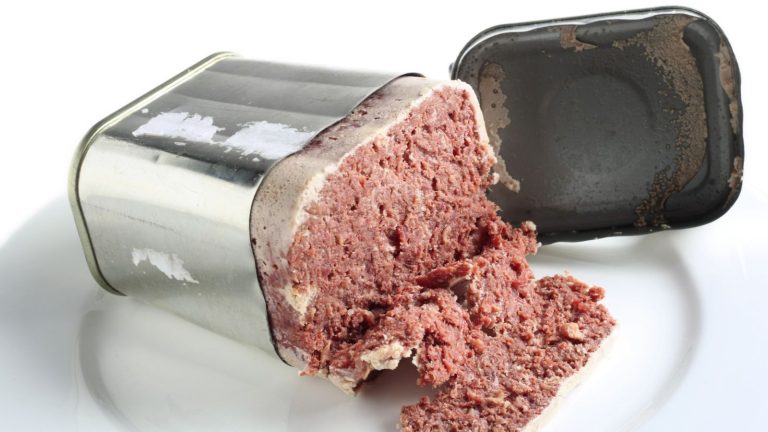
Canned foods are made for long storage, but they still need occasional checks. Cans that are swollen, leaking, badly rusted, or damaged should be discarded.
Store canned goods in a cool, dry place and rotate older items forward so they get used first.
Dried Beans
Dried beans can last a long time, but very old beans may become hard and take much longer to cook. Some may stay tough even after hours on the stove.
Store beans in sealed containers and use older packages before buying new ones.
Oats
Oats can lose freshness when exposed to heat, moisture, or air. Old oats may develop a stale or musty smell.
Keeping them in a sealed container helps protect their flavor and texture.
Nut Butter
Natural nut butters usually spoil faster than commercial versions because they contain fewer preservatives. A sour smell, bitter taste, or unusual texture can be a sign that they’re no longer good.
Storing natural nut butter in the refrigerator can help it last longer.
Cornmeal
Cornmeal contains oils that can go rancid, especially if stored somewhere warm. Fresh cornmeal should have a mild, pleasant smell.
If it smells sour or tastes bitter, it’s time to throw it away.
Snacks
Chips, crackers, and similar snacks often lose their crunch after sitting too long. While stale snacks may still be safe, they usually aren’t enjoyable to eat.
If they smell strange, taste off, or show signs of mold, they should be discarded.
A quick pantry cleanout every few months can help prevent forgotten foods from taking up valuable space. It also makes it easier to see what you already have and avoid buying items you don’t need.