Building an emergency stockpile is one of the smartest ways to prepare for unexpected situations. Whether it’s a power outage, severe weather, or a supply shortage, having extra food and essential supplies at home can make a difficult situation much easier to manage.
But stocking up on everything isn’t necessarily a good idea. Some foods spoil faster than you’d expect, certain supplies lose their effectiveness over time, and other items simply aren’t worth the money or storage space.
Before spending money on emergency supplies, think twice about buying these 12 things in bulk.
Foods Your Family Doesn’t Normally Eat
It’s easy to get carried away buying emergency food, especially when you see large packages of canned meals, dried foods, or unfamiliar products advertised for survival situations. But filling your pantry with foods nobody in your household enjoys can lead to waste and make an already stressful emergency more difficult. Focus on familiar meals and ingredients you regularly cook with so you can rotate your stockpile through everyday use.
Fresh Foods That Spoil Quickly
Stocking up on fresh produce, dairy products, and other perishable groceries may seem helpful when you’re worried about shortages, but these foods won’t last long without reliable refrigeration. A prolonged power outage could force you to throw away much of what you bought, especially if you don’t have a backup power source. For emergency storage, prioritize shelf-stable alternatives such as canned vegetables, dried fruit, and other foods that don’t require refrigeration.
Whole Wheat Flour
Whole wheat flour might seem like a smart pantry staple, especially if you plan to bake bread during an emergency. However, the grain’s natural oils can turn rancid over time, giving whole wheat flour a much shorter shelf life than many people realize. For longer-term storage, consider whole wheat berries, which can last considerably longer when properly stored and ground into flour as needed.
Regular Powdered Milk
Powdered milk is convenient to keep on hand, but packages sold in regular grocery stores aren’t necessarily designed to last for decades. Their shelf life depends on the fat content, packaging, and storage conditions, so buying several containers without checking the dates could leave you with expired supplies. If you’re preparing for long-term emergencies, look for powdered milk specifically packaged for extended storage.
Canned Foods You’ve Never Tried
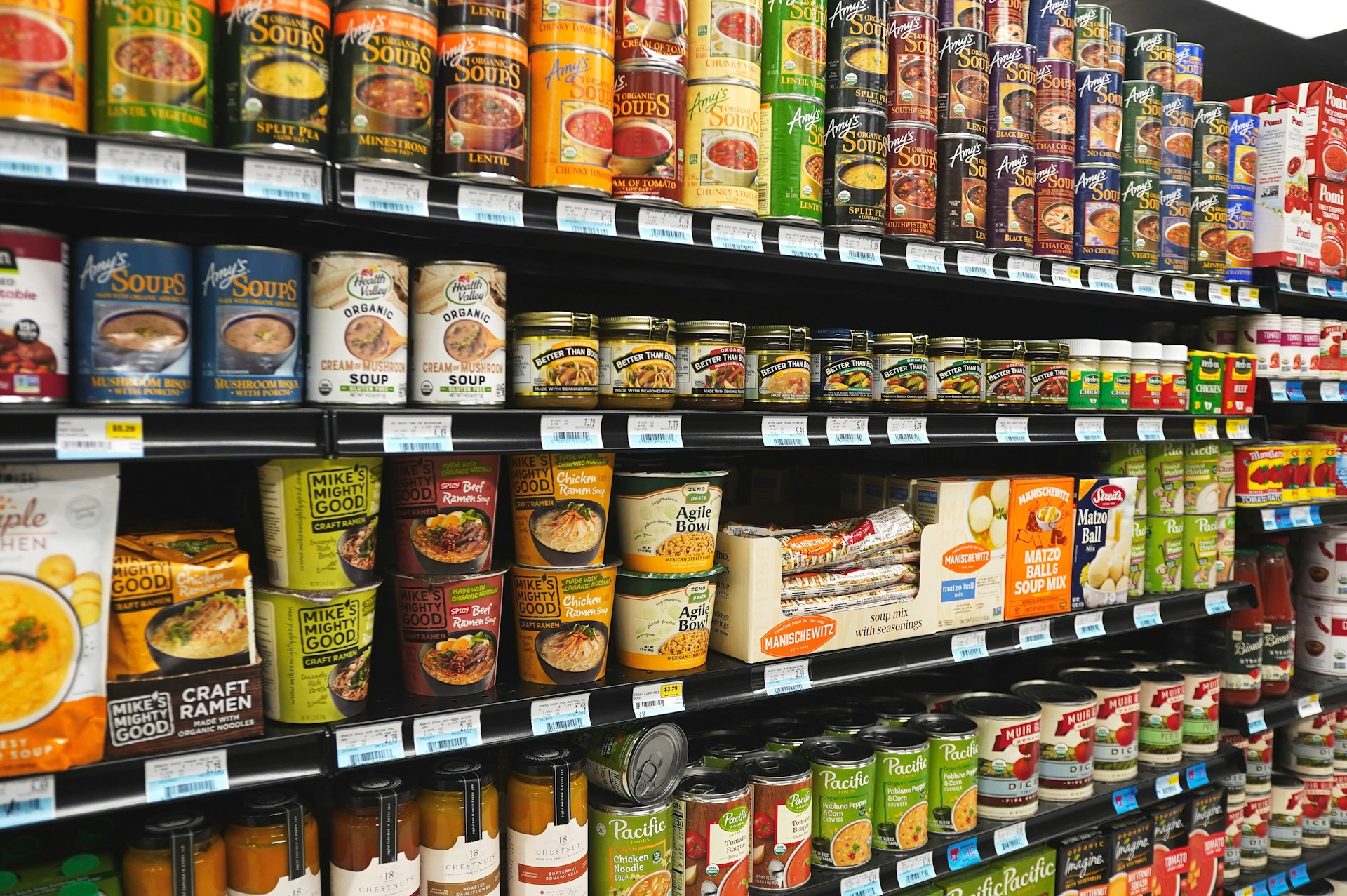
Buying cases of inexpensive canned food may seem like an easy way to build an emergency pantry, but stocking up on meals your family doesn’t enjoy can waste money. During an emergency, the last thing you want is a pantry full of food nobody wants to eat. Try a few cans before purchasing an entire case, and stick with foods your household already uses regularly.
Trail Mix and Granola Bars
Trail mix and granola bars are convenient emergency snacks, but they’re not always the best choice for long-term storage. Nuts, seeds, and other ingredients contain oils that can become rancid, especially when stored somewhere warm. Keep a reasonable supply for short-term emergencies and rotate it regularly rather than buying more than you’ll use.
Brown Rice
Brown rice is a nutritious pantry staple, but it doesn’t store nearly as long as white rice because its bran layer contains natural oils. Those oils can eventually turn rancid, making large quantities of brown rice a poor choice for a stockpile you don’t plan to rotate frequently. White rice is generally better suited for long-term storage when kept in appropriate airtight, moisture-resistant packaging.
Medications You Won’t Use Before They Expire
Keeping essential medications on hand matters, but buying too much can leave you with products that expire before you need them. Some medications lose effectiveness over time, which can be especially concerning when you’re relying on them during an emergency. Keep a reasonable supply, follow storage instructions, and speak with your pharmacist or healthcare provider about maintaining an appropriate backup of prescription medications.
Related: 22 Hygiene Products People Often Forget to Add to Their Emergency Stockpile
Large Containers of Cooking Oil
Cooking oil is useful for preparing meals, but stocking up on several large bottles isn’t always a good investment. Oils gradually deteriorate when exposed to heat, light, and air, and an opened bottle may lose quality before you finish it. Buy quantities you can realistically use and store unopened bottles in a cool, dark place.
Household Bleach
Bleach disinfects surfaces and can help with emergency water treatment, but it doesn’t maintain its strength indefinitely. Over time, household bleach breaks down, especially when exposed to heat, making older bottles less reliable when the correct concentration matters. Instead of storing gallons for years, keep a manageable supply, rotate it regularly, and follow official instructions for any emergency water treatment.
Gasoline and Other Fuels
Having extra fuel for a generator or vehicle may sound like smart emergency planning, but gasoline and other fuels can deteriorate during storage. Large quantities also create serious fire and vapor hazards if you don’t store them in approved containers and appropriate locations. Keep only what you can store safely and legally, and follow recommended storage and rotation practices.
Dried Herbs and Ground Spices
Buying oversized containers of dried herbs and ground spices might seem practical when preparing for long-term food storage. Although properly stored spices can remain usable for quite some time, they gradually lose their flavor and aroma, especially after opening. Salt is a better candidate for bulk storage, while most seasonings are worth purchasing in quantities you’ll actually use.