
Weather can change your plans before you have time to react. A clear morning might turn stormy by afternoon, or a mild evening could give way to a cold night.
Most people check a weather app or look up a forecast before heading out. But if your phone battery dies, the internet goes down, or you’re somewhere without a signal, nature offers a few clues of its own.
Watching the clouds, wind, plants, animals, and other changes around you can help you spot possible shifts in the weather. These signs aren’t a substitute for an official forecast, but they can give you a better idea of what might be coming.
Here are 15 ways to read the weather using what you can see, hear, and feel.
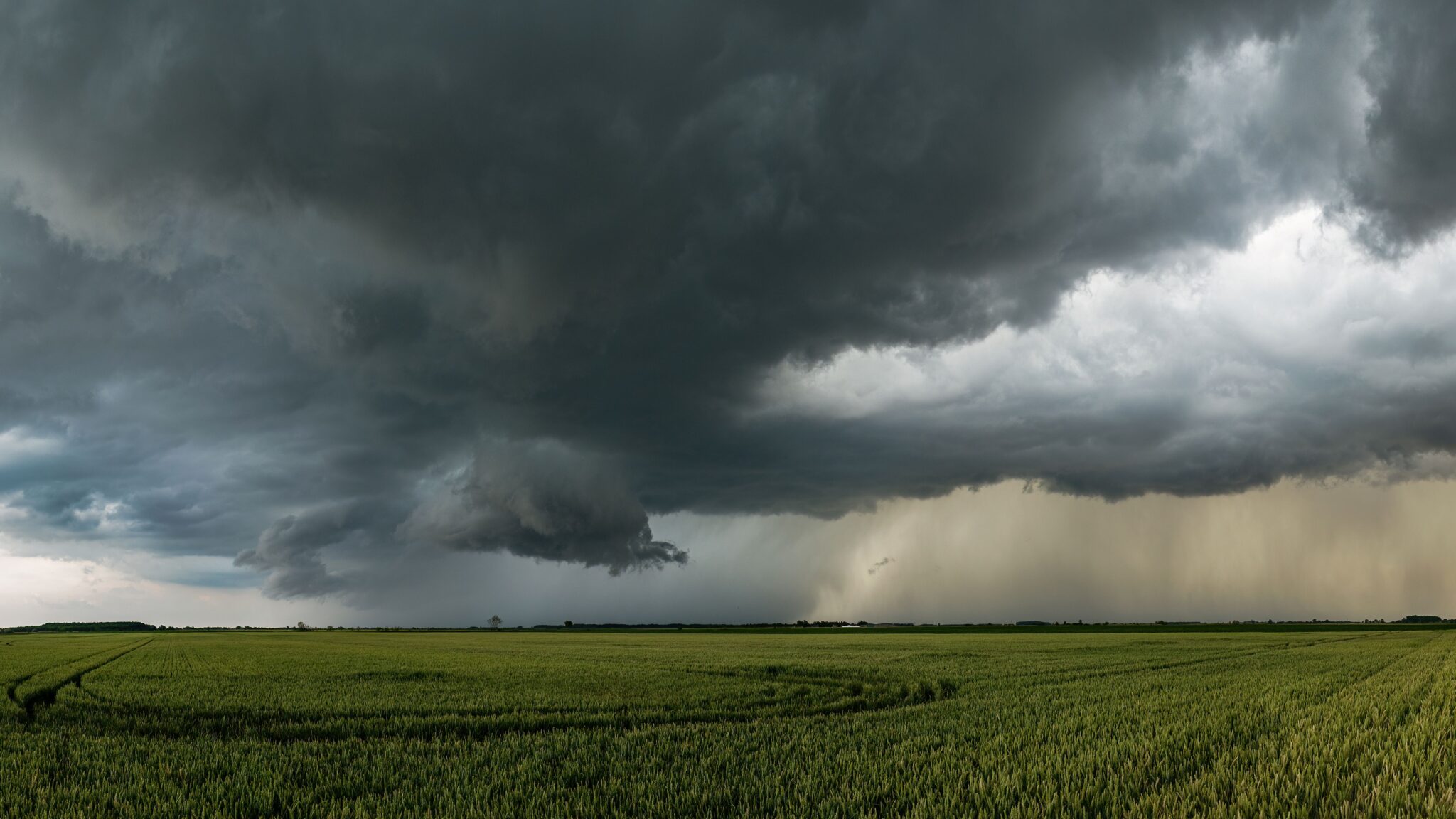
1. Watch the Clouds
Clouds are among the easiest signs to observe, but their height, shape, color, and movement all matter. Different formations can point to different weather conditions:
- Cirrus clouds: These thin, wispy clouds can appear ahead of a weather system and may signal a change within the next day or two.
- Cumulonimbus clouds: Tall clouds with dark bases and towering tops are often linked to thunderstorms.
- Stratus clouds: Low, gray layers can bring overcast skies, drizzle, or light rain.
Spend a few minutes watching how clouds move and change throughout the day. With practice, you’ll start recognizing patterns that often come before a change in weather.
Related: 16 Ways to Make Food Last Longer at Home
2. Pay Attention to Wind Direction
You don’t need special equipment to check the wind. A flag, windsock, tree branches, or smoke from a fire can show you which way it’s blowing.
Wind direction can offer clues about incoming weather systems, though local conditions matter. In many parts of the United States, westerly winds are associated with drier air, while easterly winds can bring moisture, so watch for the patterns common in your area.
3. Notice Sudden Temperature Changes
A quick change in temperature can mean a weather front is moving through. Pay attention to how the air feels during the afternoon and evening, especially if the temperature drops while the wind picks up or clouds begin to gather.
You can make these observations without a thermometer, but one will help you track changes more accurately. A sudden chill paired with other weather clues may mean a storm or front is getting closer.
4. Check How Humid the Air Feels
Air that feels sticky, heavy, or unusually damp can be a sign of high humidity. People with curly or wavy hair may also notice more frizz or changes in their hair as moisture levels rise.
Humidity by itself doesn’t mean rain is on the way. It becomes a more useful clue when dark clouds, changing winds, or falling air pressure appear at the same time.
Related: 24 Clever Ways to Turn Old Clothes Into Something Useful
5. Watch How Birds Behave
Birds sometimes change their flight patterns as weather conditions shift. You might see them flying lower, gathering in sheltered spots, or becoming less active before a storm.
These behaviors can also have other explanations, so don’t treat them as a reliable forecast on their own. They are worth watching if other signs, such as dark clouds and stronger winds, are appearing too.
6. Look for Changes in Insect Activity
Insects respond to changes in temperature, humidity, wind, and air pressure. Ants may change their activity before heavy rain, while flies and mosquitoes are often more noticeable during warm, humid weather.
Watch what happens around your yard over several days. Familiar patterns may help you spot changes in local conditions.
7. Look for Morning Dew
Take a look at the grass early in the morning. Dew often forms on clear, calm nights when the ground cools, and moisture collects on nearby surfaces.
If the grass is dry, wind, cloud cover, or warmer overnight temperatures may be part of the reason. Dew doesn’t tell you exactly what the day will bring, but it gives you a clue about the conditions overnight.
Related: 12 Simple Ways to Keep Birds From Nesting on Your Porch
8. Look for a Halo Around the Sun or Moon
A bright ring around the sun or moon is often caused by light passing through ice crystals in high clouds. These clouds can appear ahead of an approaching weather system, sometimes a day or so before rain arrives.
A halo doesn’t guarantee that bad weather is coming. Still, it’s a good reason to watch for other changes in the sky.
9. Notice the Smell of the Air
The air can smell different before or after rain. Moisture makes certain scents from soil and plants easier to notice, which is why some people describe the smell as earthy or fresh.
You might also notice stronger smells coming from vegetation as humidity rises. These scents can’t predict rain on their own, but they can become familiar clues as you pay closer attention to your surroundings.
10. Pay Attention to the Color of the Sky
The saying “Red sky at night, sailor’s delight; red sky in morning, sailor’s warning” has a basis in atmospheric conditions. Sunlight passing through particles and moisture can create red and orange skies, and the colors may offer clues about weather to the west.
In areas where weather systems usually move from west to east, a red evening sky can sometimes mean clearer conditions are approaching. A red morning sky may suggest moisture or clouds are moving in, though the saying doesn’t apply equally well in every location.
Related: 18 Ways Preppers Can Make Extra Money Using Skills They Already Have
11. Watch How Smoke Moves
Smoke from a chimney or campfire can give you a rough idea of what’s happening in the air. Smoke that rises steadily may indicate relatively stable conditions, while smoke that hangs low, spreads out, or swirls can point to changing air movement.
Wind has a major effect on smoke, so check nearby trees, flags, and other objects before drawing conclusions. A change in smoke movement is more useful when other signs suggest the weather is shifting too.
12. Look for Rainbows
Rainbows appear in the part of the sky opposite the sun, which can help you work out where rain is falling. A morning rainbow may mean showers are somewhere to the west, while an evening rainbow may point to rain in the east.
In places where weather systems usually travel from west to east, this can offer a rough idea of whether rain may be moving toward you or away from you. It’s a small clue, but one that’s easy to spot.
13. Track Changes in Air Pressure
Falling air pressure often occurs as a weather system approaches, while rising pressure is commonly linked to improving conditions. A barometer can help you track these changes, and even a basic homemade model can demonstrate how pressure works.
Some people notice pressure changes in their ears, but that feeling isn’t a dependable way to forecast the weather. For a clearer picture, compare pressure readings with changes in clouds, wind, and temperature.
Related: 10 Clever Ways to Put Wood Ash from Your Firepit to Good Use
14. Watch How Plants Respond
Plants react to changes in moisture, temperature, and light. Pinecones, for example, can close as humidity rises because their scales respond to moisture, while some flowers close or change position under certain weather conditions.
These reactions don’t guarantee that rain is coming. Still, if plants around your yard behave differently while clouds gather or the air becomes damp, it’s worth paying attention.
15. Listen to the Sounds Around You
Changes in temperature, humidity, wind, and air layers can affect how sound travels. You may notice that traffic, voices, birds, or other distant noises seem clearer or louder than usual.
Sound alone can’t tell you whether rain is on the way. Pair what you hear with other signs, such as rising humidity, falling pressure, and changing clouds, to get a better sense of local conditions.