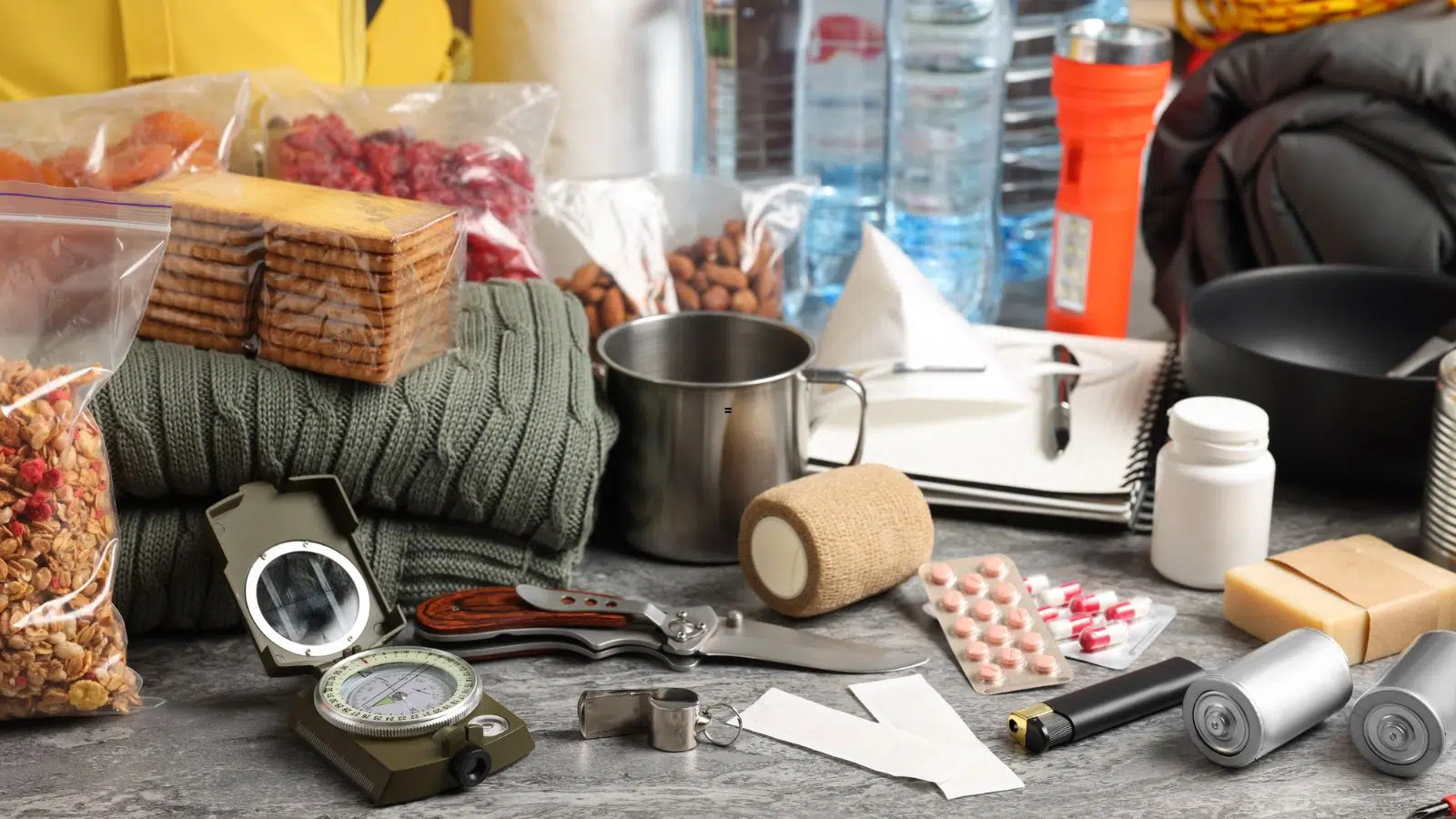
It’s easy to feel prepared when you have shelves full of canned food, bottled water, flashlights, and emergency equipment. But having the right supplies doesn’t necessarily mean you’ll know what to do when something goes wrong.
A major storm, extended power outage, or natural disaster can create problems that even a well-stocked emergency kit won’t solve. You might need to make a quick decision, help someone who’s injured, or find a safe way home when your usual options aren’t available.
That’s why learning a few practical survival skills can be just as important as stocking up on supplies. Here are 10 worth knowing before you ever need them.
1. Knowing When to Stay Put and When to Evacuate
One of the most important decisions during an emergency is whether it’s safer to remain at home or leave. Staying put during a dangerous wildfire or flood can put your family at risk, while heading outside during severe weather can sometimes make things worse.
Learn the hazards most common in your area, identify evacuation routes, and watch for official emergency alerts. Ready.gov recommends making a household emergency plan that addresses where you’ll go and how you’ll communicate if you need to leave.
2. Performing Basic First Aid and CPR
A stocked first aid kit is helpful, but knowing how to use the supplies inside matters even more. Learning to control serious bleeding, recognize an emergency, and perform CPR can make a difference while you wait for professional help.
The American Red Cross offers first aid and CPR training that covers common emergencies. Taking a course and practicing what you’ve learned is more useful than simply buying medical equipment you don’t know how to use.
3. Finding Your Way Without GPS
Most people rely on their phones for directions, but a dead battery, a damaged cell tower, or a lost internet connection can make navigation harder. Knowing how to read a paper map, recognize major roads, and identify alternate routes can help you get home or reach a safer location.
Keep a local map in your vehicle and familiarize yourself with routes that don’t depend on your usual navigation app. It’s also worth learning the main roads and landmarks around your home, workplace, and children’s schools.
4. Making Water Safe to Drink
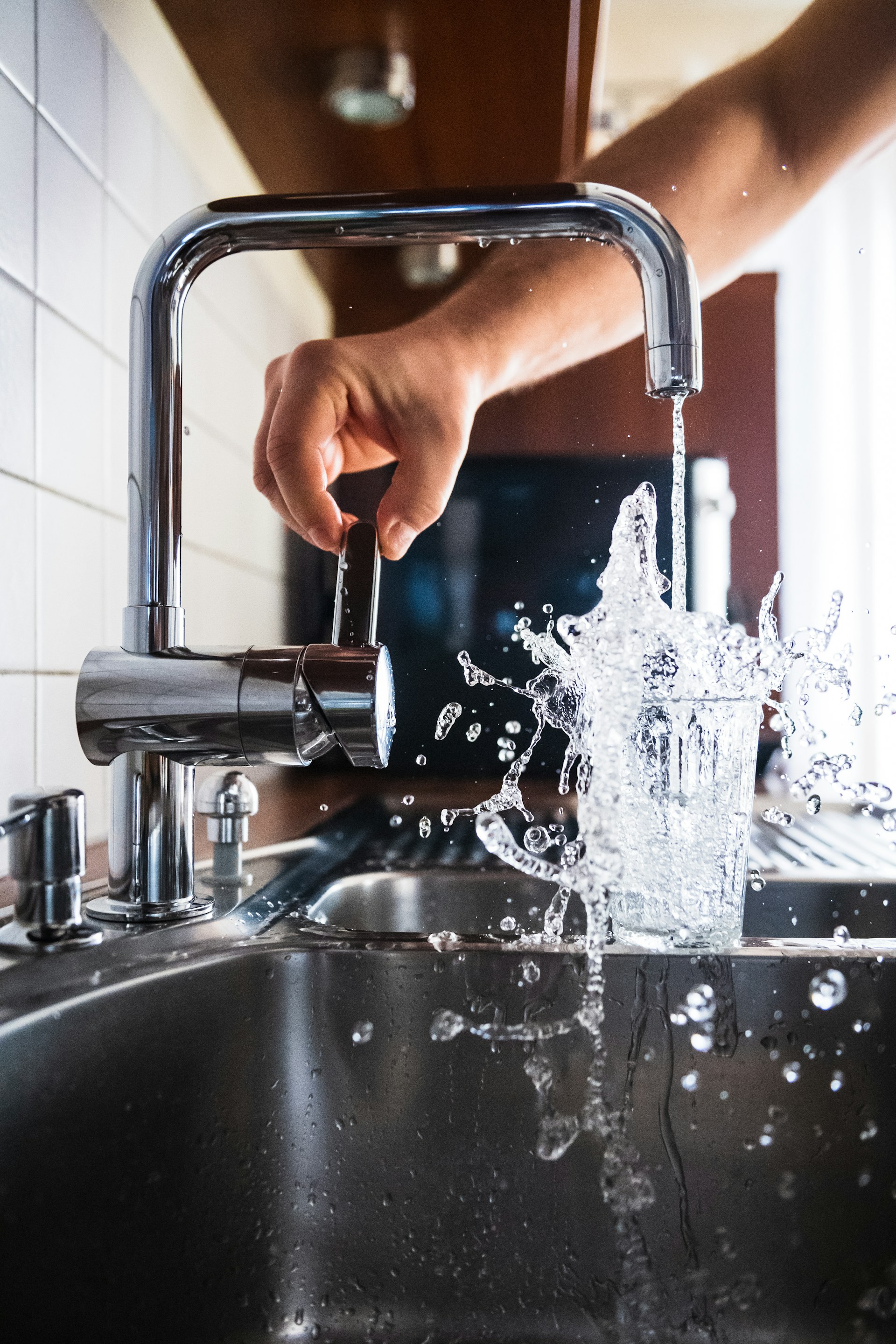
Having bottled water stored at home is a good start, but what happens if your supply runs out or your drinking water becomes contaminated? Knowing how to treat water can help during emergencies involving damaged water systems, flooding, or extended utility disruptions.
The CDC explains that boiling can kill many disease-causing germs, while other situations may require appropriate filtration and disinfection methods. However, boiling and ordinary filters won’t make water contaminated with fuel, toxic chemicals, or radioactive materials safe to drink, so knowing when to avoid a water source matters just as much.
5. Shutting Off Household Utilities Safely
A gas leak, broken water pipe, or damaged electrical system can turn an already difficult emergency into something much more serious. Knowing where your household shutoff valves and electrical panel are located can help you respond appropriately when a problem arises.
Ask your utility provider or a qualified professional to show you the correct procedures for your home. Never operate damaged electrical equipment or attempt to shut off gas if doing so would put you in danger, and remember that the utility company or another authorized professional generally must restore gas service.
6. Communicating When Cell Service Isn’t Working
It’s easy to assume you’ll be able to call family members during an emergency, but cell networks can become overloaded or stop working altogether. Knowing how to communicate through text messages, emergency radios, and a prearranged family contact plan gives you more options.
According to Ready.gov, households should establish meeting places and choose an out-of-town contact who can help family members reconnect. Make sure everyone knows the plan, especially if an emergency happens while you’re apart.
7. Recognizing Dangerous Weather Conditions
You don’t have to be a meteorologist to recognize when conditions are becoming unsafe. Understanding the difference between weather watches and warnings, knowing the signs of heat-related illness, and recognizing flood hazards can help you make better decisions.
The National Weather Service provides guidance on severe storms, flooding, extreme heat, winter weather, and other hazards. Learning what to watch for in your area can help you respond before conditions become dangerous.
8. Preventing Carbon Monoxide Poisoning
During an extended power outage, people sometimes use generators, camping stoves, grills, or other fuel-burning equipment to cook or stay warm. These devices can produce carbon monoxide, an invisible, odorless gas that can become deadly when it builds up indoors.
The CDC recommends keeping generators outdoors at least 20 feet from doors, windows, and vents, and using battery-powered or battery-backup carbon monoxide detectors. Knowing how to use backup equipment safely is far more important than simply owning it.
9. Staying Warm or Cool Without Electricity
When the power goes out, keeping your home at a safe temperature can become a serious concern, especially for young children, older adults, and people with certain medical conditions. Knowing how to dress in layers, reduce heat loss, recognize signs of hypothermia, and identify when indoor temperatures are becoming dangerous can help you make safer choices.
During extreme heat, stay hydrated, limit physical activity, and move to a cooling center or another air-conditioned location if needed. During extreme cold, never use an oven, charcoal grill, or outdoor heater to warm your home.
10. Staying Calm and Making a Plan Under Pressure
Emergencies can be stressful, and it’s easy to make rushed decisions when you’re worried about your family or unsure what’s happening. Taking a moment to assess immediate dangers, follow official instructions, and decide what needs attention first can help you avoid unnecessary risks.
Practice simple emergency scenarios with your household, such as what to do if the power goes out overnight or everyone needs to leave home quickly. The more familiar everyone is with the plan, the less you’ll have to figure out in the middle of an emergency.