Most people know it’s important to have water, food, and emergency supplies on hand. But there are some survival skills that don’t require much equipment and could make a big difference if you ever find yourself in trouble.
In a Reddit discussion, outdoor enthusiasts shared some of the lesser-known skills they believe everyone should learn. Some are surprisingly simple, while others take a little practice.
Here are 13 survival skills worth knowing before you actually need them.
Estimate how much daylight you have left using your fingers
If you’re outdoors without a watch or phone, your hand can help you roughly estimate how much daylight remains. Hold your arm straight out, place your fingers horizontally between the bottom of the sun and the horizon, and count approximately 15 minutes for each finger, keeping in mind that the estimate varies by location and season.
Find your direction using a stick and its shadow
You don’t necessarily need a compass to get a rough idea of direction. Place a straight stick upright in the ground, mark the tip of its shadow, wait about 15 to 20 minutes, and mark it again; the line from the first mark to the second generally points west to east.
Learn a few knots that actually hold
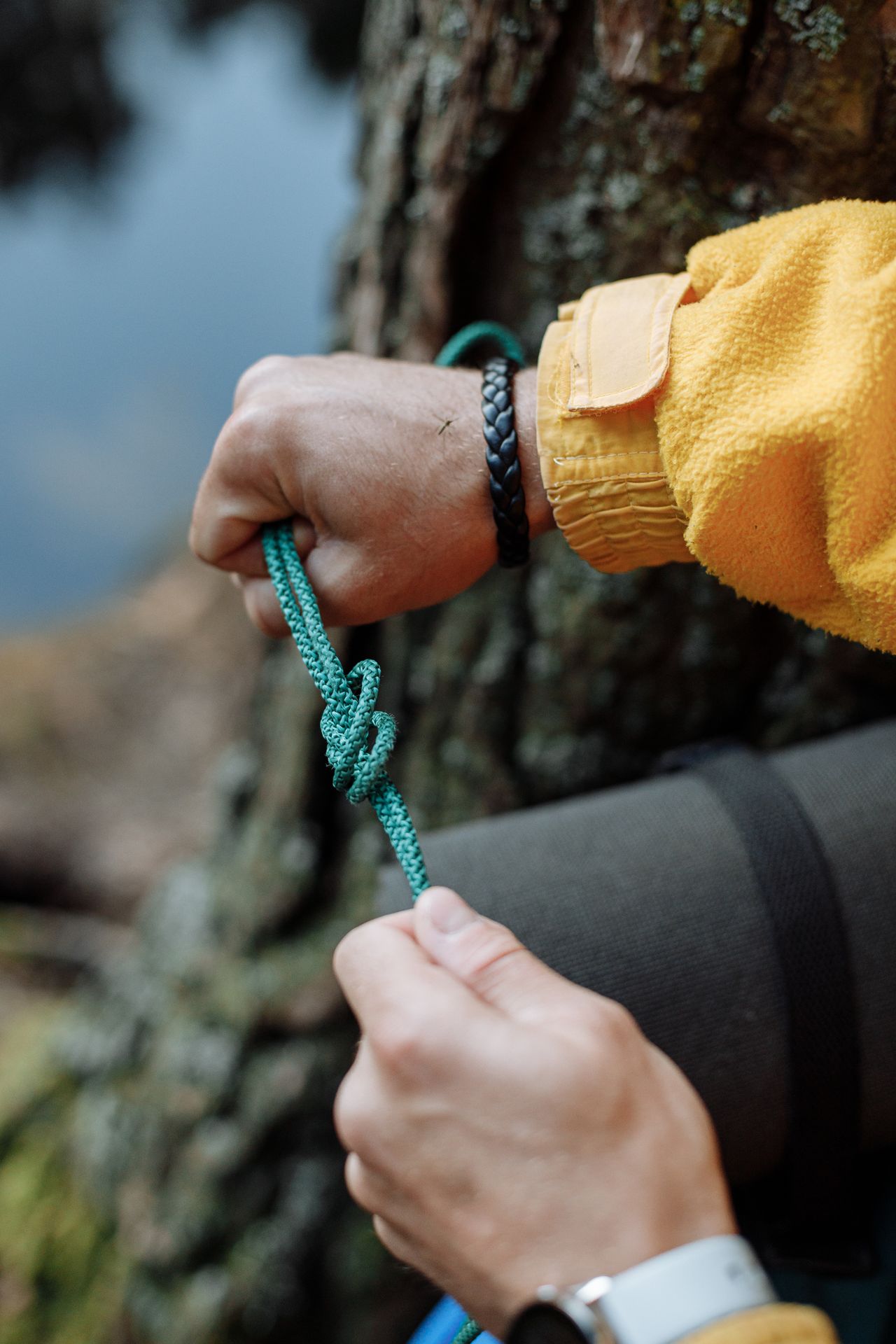
Knowing how to tie a knot might seem like a small skill, but it can be useful for securing a tarp, repairing equipment, or keeping supplies together. Several people in the Reddit discussion recommended learning a few reliable knots, including ones that can be untied after they’ve been pulled tight, so you don’t end up cutting and wasting valuable rope.
Conserve your energy instead of constantly moving
One survival skill that often gets overlooked is knowing when to stop and rest. Walking long distances, gathering unnecessary supplies, or spending hours building an elaborate shelter can burn through energy you may need later, especially when food and water are limited.
Avoid sweating too much in cold weather
Staying warm in freezing temperatures isn’t always about wearing as many layers as possible. If you become overheated and sweat heavily, your damp clothing can make you lose body heat faster once you stop moving, so adjust your layers and pace to stay comfortably warm without overheating.
Know how to perform CPR
One commenter who identified themselves as a nurse pointed out that people often focus on wilderness survival skills while overlooking CPR, which could help save someone’s life at home or in a public place. Taking a hands-on CPR and AED course can teach you how to recognize cardiac arrest and respond while emergency services are on the way.
Learn how to navigate without your phone
It’s easy to rely on GPS until your phone dies, loses service, or gets damaged. Learning to read a paper map, use a compass, and recognize landmarks can help you stay oriented, although if you’re already lost, staying in a safe location and signaling for rescue may be better than wandering.
Make yourself easier for rescuers to find
If you’re stranded or lost, knowing how to attract attention can be more useful than trying to travel long distances on your own. A whistle, brightly colored clothing, reflective material, or an emergency signaling device can help rescuers locate you, especially if you’ve already shared your intended route with someone.
Recognize dangerous plants and wildlife in your area
Knowing which plants, berries, insects, and animals to avoid is just as important as knowing which ones might be useful. Learn about the hazards common to your region before heading outdoors, and never rely on appearance, color, or an improvised taste test to determine whether a wild plant is safe to eat.
Practice setting up a basic emergency shelter
A tarp, rope, and a little knowledge can provide temporary protection from rain and wind if you’re stranded outdoors. Practice setting up a simple shelter before you need one, paying attention to where water might collect, how the wind is blowing, and whether the location is safe from falling branches or other hazards.
Know how to make drinking water safer
Finding water doesn’t necessarily mean it’s safe to drink, even if it looks clear. Learn how to boil water properly and understand the limitations of portable filters and purification tablets, since some methods won’t remove viruses or chemical contamination.
Learn basic sewing and equipment repairs
A small tear in your clothing or backpack might not seem important until you’re depending on that item to stay warm or carry essential supplies. Knowing how to sew a simple seam, replace a button, or repair damaged gear can help you make the most of what you already have instead of losing something useful.
Related: Sewing Project Tracker – 24-Page Printable Sewing Planner
Stay calm and think before making your next move
Panic can make an already difficult situation worse, especially when you’re tired, cold, or unsure of what to do next. Take a moment to assess your surroundings, identify immediate dangers, and decide what matters most, whether that’s finding shelter, treating an injury, or contacting emergency services.