Having emergency supplies at home is a smart way to prepare for unexpected situations, whether it’s a power outage, severe storm, or another disaster. But buying the right equipment is only part of being prepared.
Some emergency supplies require practice, maintenance, or a little basic knowledge to work properly. And the last thing you want is to figure out how something works for the first time when you’re already dealing with an emergency.
Here are nine common emergency supplies that might not do you much good if you don’t know how to use them.
Fire Extinguishers
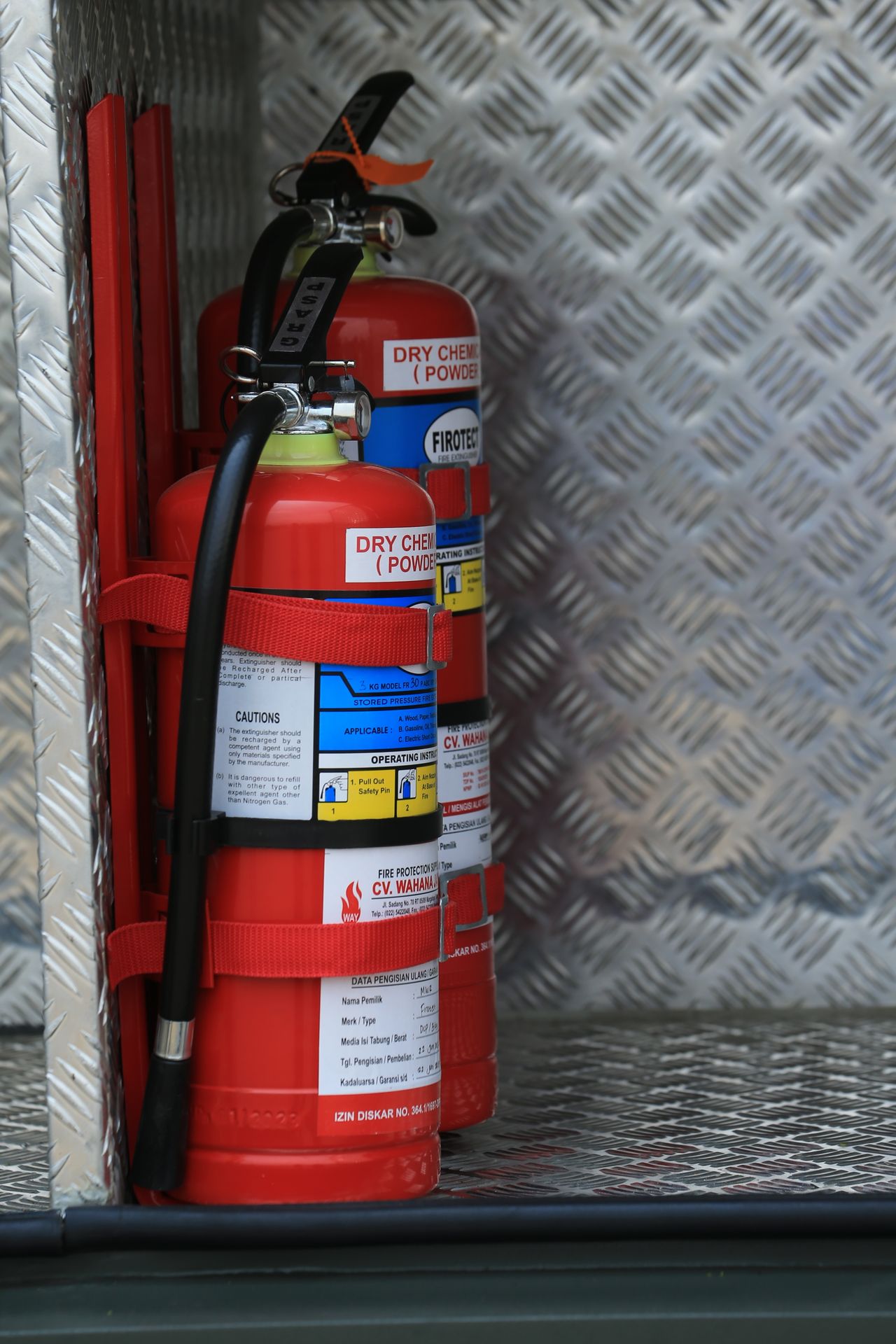
Having a fire extinguisher in the kitchen is a good start, but would you know how to use it if a fire broke out? Learn the PASS method: pull the pin, aim at the base of the fire, squeeze the handle, and sweep from side to side, remembering that extinguishers are only for small, contained fires when you have a clear escape route.
Emergency Radios
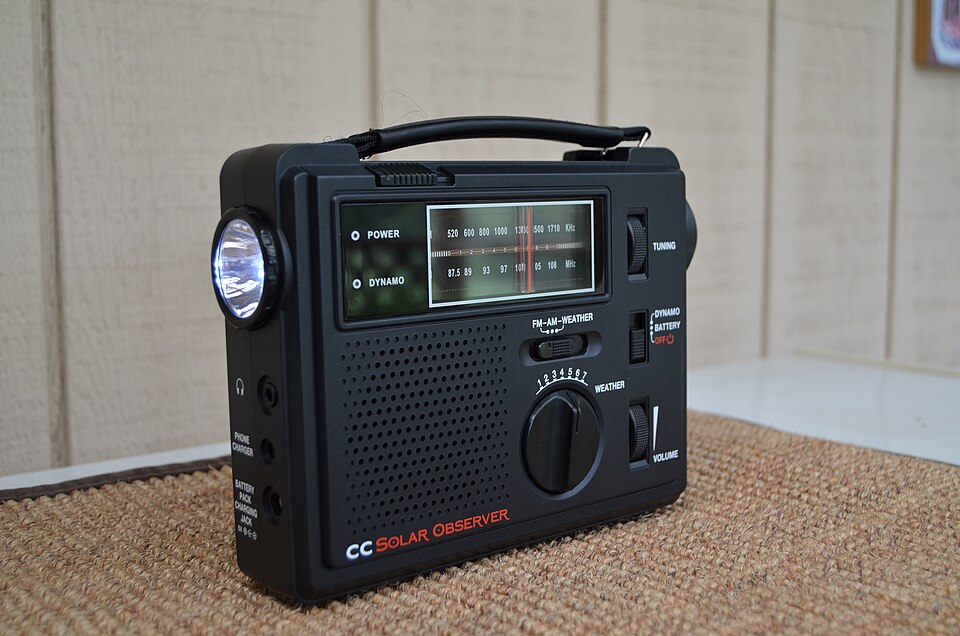
A hand-crank or battery-powered emergency radio can help you receive weather alerts and important updates when the power or internet goes out. But if you’ve never tested the radio, figured out how to tune into local stations, or checked its backup power options, you could waste valuable time trying to get information during an emergency.
Water Filters and Purification Tablets
A portable water filter might look like the perfect solution when clean drinking water isn’t available, but not every filter removes viruses or chemical contaminants.
Read the instructions beforehand, learn what your particular filter can and cannot remove, and understand when boiling or another appropriate treatment method is necessary.
First Aid Kits
You can buy a first aid kit with dozens of supplies, but that doesn’t mean you’ll automatically know what to do with everything inside. Take some time to learn basic wound care, bleeding control, and CPR, so you’re better prepared to respond while waiting for professional help.
Portable Generators
A generator can keep essential equipment running during a power outage, but using one incorrectly can lead to carbon monoxide poisoning, electrical shock, or fire. Generators should always be operated outdoors, at least 20 feet away from the home with exhaust directed away from openings, and never plugged directly into a household outlet.
Emergency Escape Ladders
If you live in a multi-story home, an emergency escape ladder could provide another way out if a fire blocks your usual exit. However, you need to make sure the ladder fits your window, know how to deploy it, and review the manufacturer’s instructions before an emergency rather than trying to figure everything out in the dark.
Battery Banks and Portable Power Stations
A portable power station or battery bank can be incredibly useful during an outage, but only if it’s charged and compatible with the devices you need to power. Check the unit’s capacity, charging requirements, and output limits ahead of time so you don’t discover too late that it can’t run your essential equipment.
Emergency Shelters and Tents
An emergency tent or shelter can help protect you from wind, rain, and exposure if you need to spend time outdoors. But setting one up for the first time during bad weather can be frustrating, so practice assembling it at home and make sure you understand its limitations in cold or extreme conditions.
Emergency Shutoff Tools
Some emergency kits include a wrench designed to shut off gas or water supplies, but having the tool doesn’t mean you’ll know where the shutoff valves are located.
Learn how your home’s utilities work, follow your utility provider’s instructions, and remember that a gas supply should only be shut off when appropriate and turned back on by a qualified professional.