There was a time when knowing how to grow food, repair your clothes, or cook a meal without electricity wasn’t considered anything special. These were simply things people learned growing up, often by watching their parents or grandparents do them.
Today, we have grocery stores, smartphones, washing machines, and plenty of other conveniences that make life easier. And while there’s nothing wrong with that, it also means many of us have never had a reason to learn some of the skills earlier generations depended on.
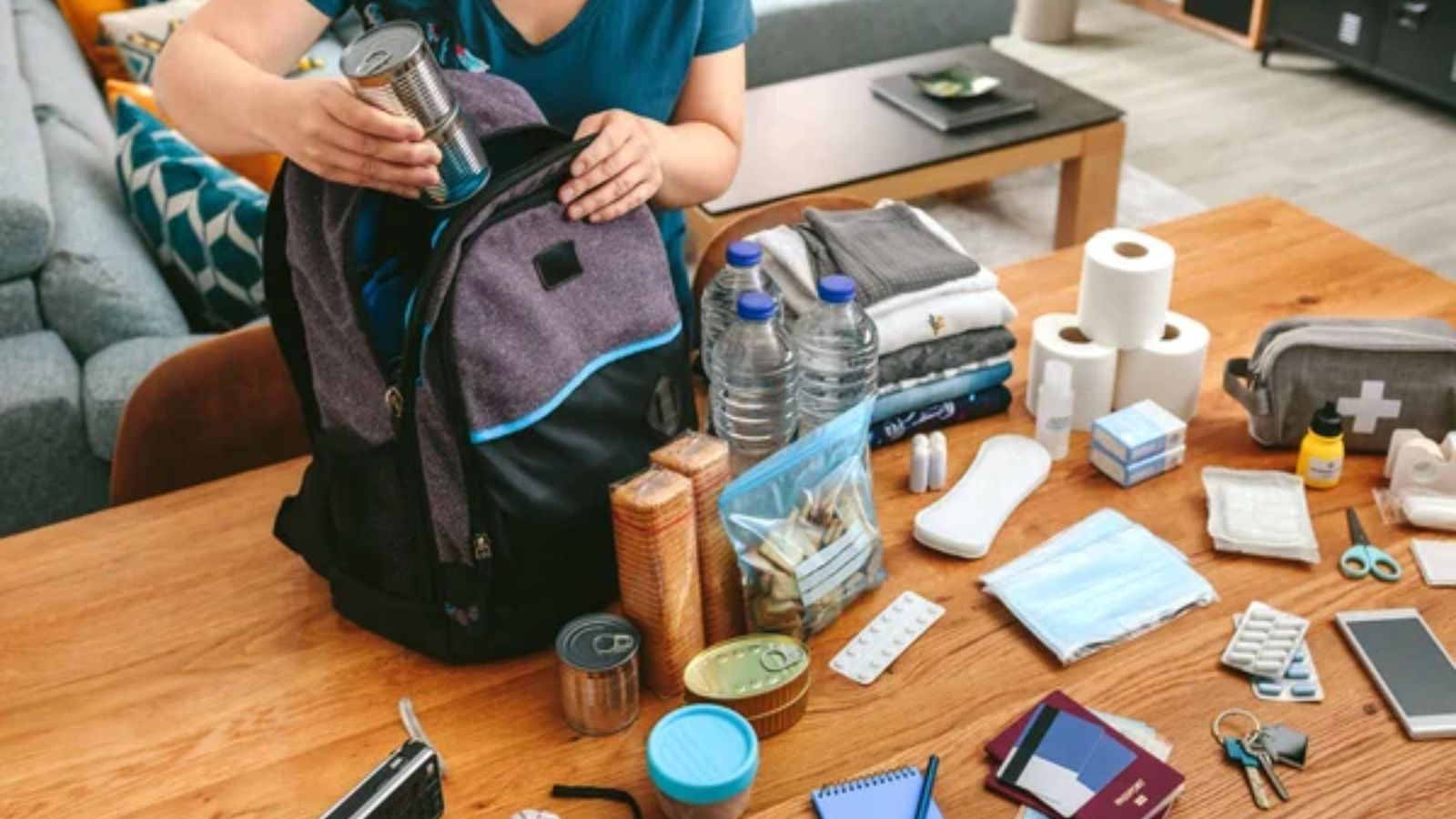
But what happens when the power goes out for several days, grocery stores close, or you find yourself needing to fix something without calling someone for help?
You don’t have to be a prepper to appreciate these skills. Many can save you money, make you more self-sufficient, and help you handle unexpected situations. Here are 15 that were once more common but are worth learning today.
Growing Your Own Food
For many families, having a vegetable garden wasn’t a hobby. It was simply one of the ways they put food on the table. Knowing how to prepare soil, grow vegetables, save seeds, and manage pests can still be useful today, especially when grocery prices rise or fresh produce becomes harder to find.
Preserving Food Without a Freezer
Before everyone had a freezer full of food, families relied on methods like drying, fermenting, and canning to make their harvests last. Learning how to safely preserve fruits and vegetables means you can enjoy seasonal food long after it’s been picked. Just make sure you’re following tested food preservation methods, since not every traditional technique meets modern food safety standards.
Starting a Fire Without Matches
Starting a fire used to be a practical skill for cooking, staying warm, and spending time outdoors. Knowing how to gather dry tinder, build a proper fire, and use a fire starter can be helpful when camping or dealing with an emergency. It’s worth practicing somewhere safe and learning local fire restrictions before you ever need to rely on it.
Finding and Making Water Safe to Drink
Most of us have never had to think about where our drinking water comes from beyond turning on the faucet. But knowing how to locate a water source and make water safer to drink can be important if your usual supply becomes unavailable. Learn how to use a reliable filter and appropriate disinfection methods, and remember that boiling doesn’t remove chemical contamination.
Sewing and Mending Clothes
A torn shirt or missing button didn’t always mean buying something new. People learned to sew because clothing was worth repairing, and knowing how to patch a hole or fix a seam could make something last for years. Even a few basic hand-sewing skills can save money and come in handy when you least expect it.
Related: Sewing Project Tracker – 24-Page Printable Sewing Planner
Reading a Map and Using a Compass
It’s hard to imagine getting around without GPS, but people managed to do it for generations. Reading a paper map, recognizing landmarks, and using a compass were useful skills for traveling and finding your way through unfamiliar places. They’re still worth knowing, especially if your phone loses service or runs out of battery.
Tying Useful Knots
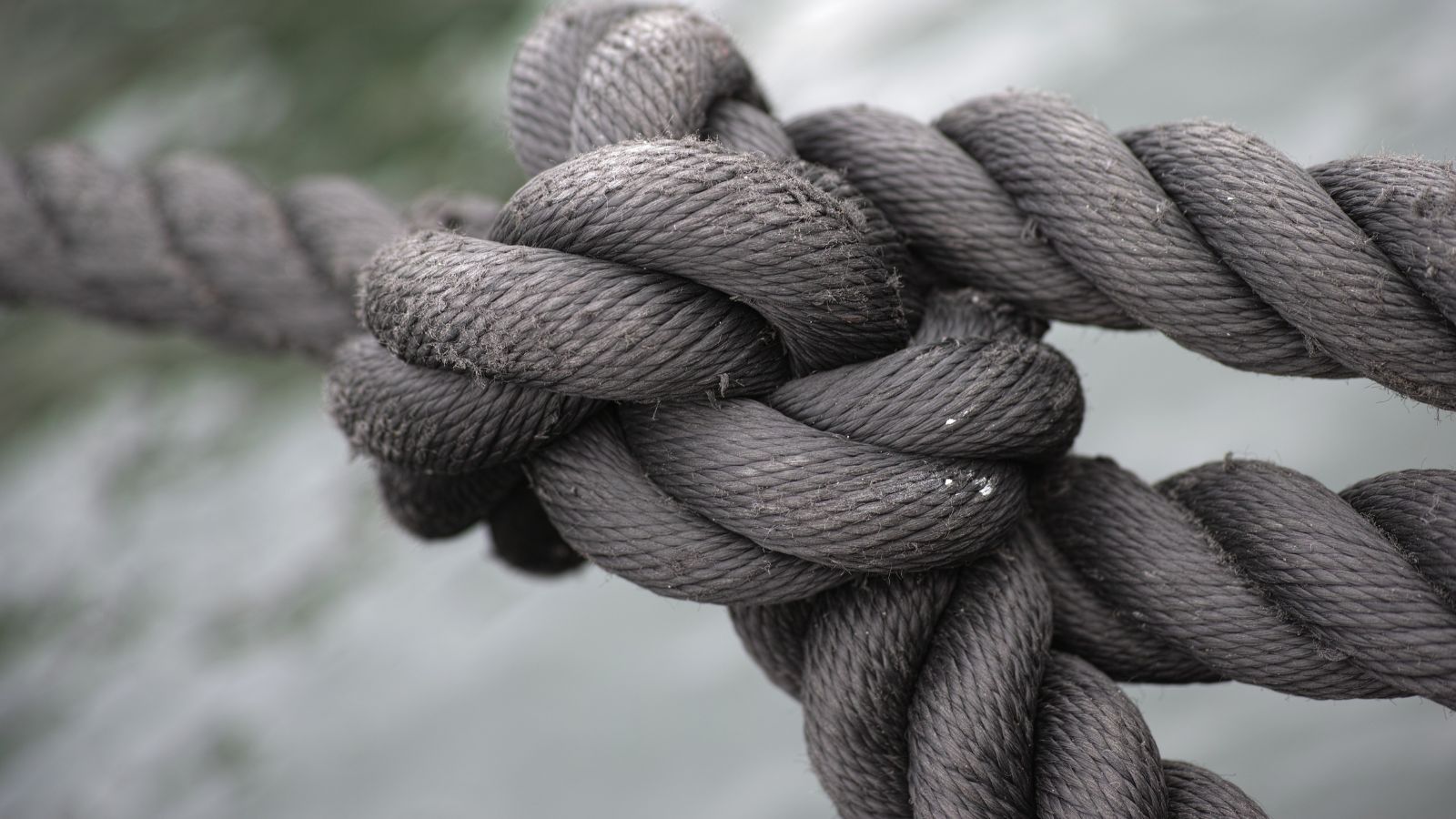
Knowing how to tie a good knot used to come in handy for everything from securing loads to repairing equipment and working around the farm. A few basic knots can help you secure a tarp, hang a clothesline, or keep something from coming loose. It’s one of those simple skills that’s easy to practice and surprisingly useful once you know it.
Building a Basic Shelter
People who spent time working, traveling, or living outdoors often understood how important it was to protect themselves from the weather. Knowing how to choose a safe location and put together a simple shelter using a tarp or available materials can help you stay dry and reduce exposure to wind and cold. It’s a useful skill to practice on a camping trip rather than trying to figure it out for the first time in an emergency.
Related: 16 Survival Uses for Vaseline You’ve Probably Never Considered
Identifying Edible Wild Plants
Foraging was once a familiar part of life for many families, especially in rural areas. People learned which berries, nuts, and plants were edible by spending time outdoors and passing that knowledge down through generations. It’s still an interesting skill to learn, but poisonous lookalikes make proper identification essential, so start with an experienced local guide.
Fishing for Food
Fishing wasn’t always something people did just to relax on the weekend. For some families, it was another way to bring home food, and knowing how to bait a hook, tie fishing knots, clean a fish, and understand local waters was useful knowledge. Those skills still have value today, even if you only put them to use a few times a year.
Washing Clothes by Hand
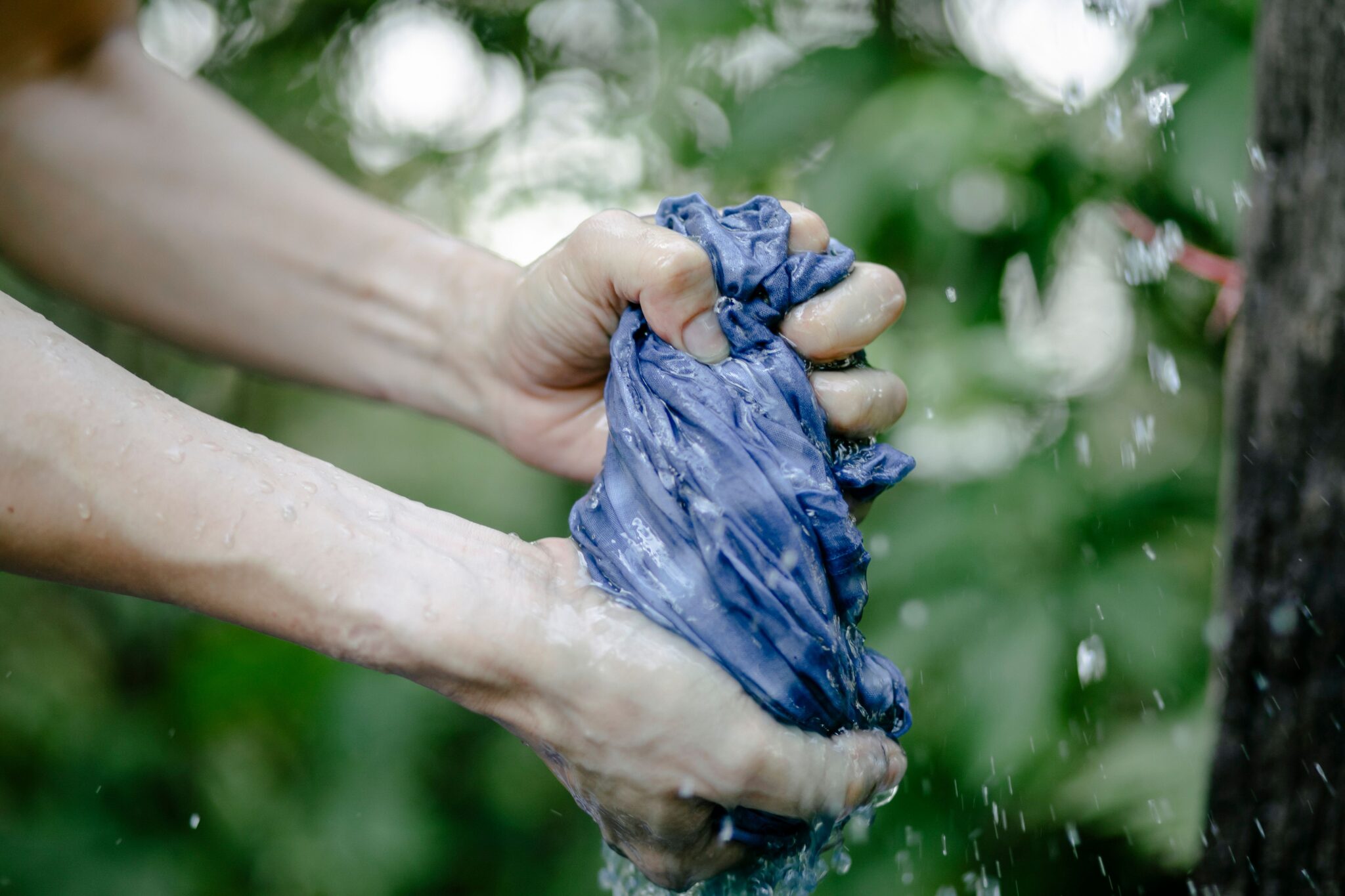
Before washing machines became household essentials, people spent a lot of time scrubbing, rinsing, and hanging clothes out to dry. Knowing how to wash clothing with a bucket, soap, and water might seem unnecessary now, but it can be helpful during an extended power outage or when traveling somewhere without laundry facilities. It also makes you appreciate just how much work modern appliances save us.
Cooking Without Electricity
People cooked over wood fires and other non-electric heat sources long before electric stoves and microwaves became common. Learning how to prepare a meal using a safe outdoor cooking setup, such as a camp stove or charcoal grill, gives you another option when the electricity goes out. Just remember that grills, generators, and outdoor camping stoves should never be used inside because of the risk of carbon monoxide poisoning.
Making Meals From Basic Pantry Ingredients
There was a time when dinner often started with whatever was already in the pantry rather than a trip to the grocery store. Knowing how to turn beans, rice, flour, potatoes, and a few basic ingredients into a filling meal can help you stretch your food budget and make the most of what you have. It’s especially useful when you can’t get to the store or need to make your groceries last a little longer.
Raising Chickens and Other Small Livestock
For many households, keeping chickens or other small animals was a normal part of providing food for the family. Raising chickens teaches you about feeding, shelter, animal health, and the daily work involved in producing your own eggs. It’s not something everyone has the space or time to do, but understanding how to care for livestock is a valuable skill for anyone interested in becoming more self-sufficient.
Reading the Weather Without an App
Long before weather forecasts were available on our phones, people paid attention to cloud formations, wind changes, and other signs that the weather might be shifting. Farmers, fishermen, and people who worked outdoors often learned to recognize patterns simply by observing their surroundings. Those observations aren’t a replacement for official forecasts or severe weather warnings, but they can help you become more aware of changing conditions.