Most of us rely on ovens, microwaves, air fryers, and other kitchen appliances to get dinner on the table. But a power outage, a camping trip, or a stay at a remote cabin can take away those everyday conveniences, leaving you to find another way to prepare a meal.
People cooked for thousands of years without electricity or modern cookware. They relied on fire, hot stones, clay pots, sunlight, and simple preservation techniques to prepare food and make their supplies last.
These older methods are still useful for outdoor cooking, homesteading, and emergency preparedness. Here are 16 traditional cooking and food preservation methods worth learning, along with a few safety points to keep in mind.
1. Open Fire Cooking
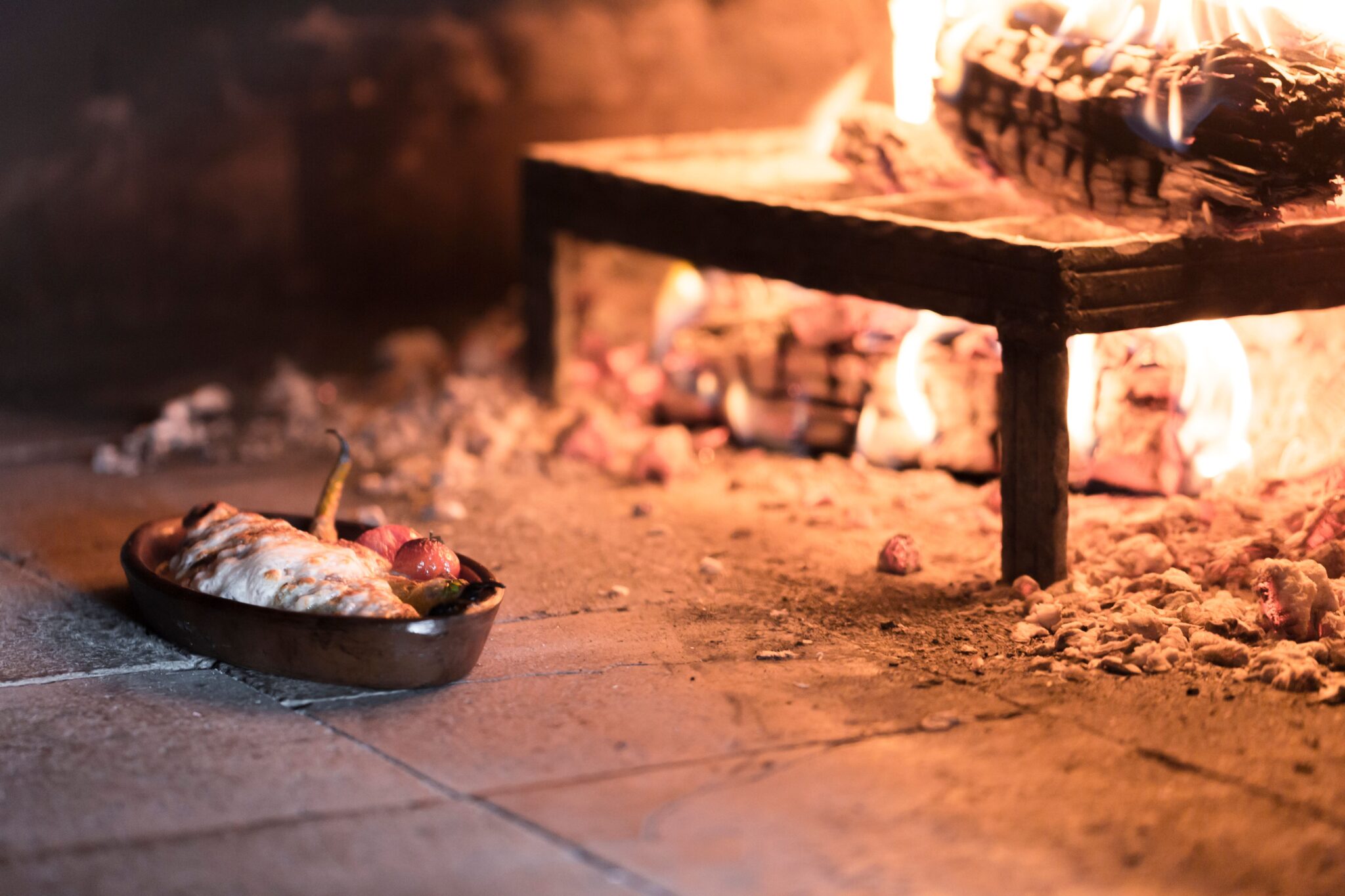
Cooking over an open fire is one of the oldest ways to prepare a meal, and it remains popular among campers and outdoor enthusiasts. A wood fire or bed of hot coals can cook meat, fish, vegetables, and flatbreads using a grill, in sturdy cookware, or on a roasting stick.
Related: 17 Pantry Staples That Make Cooking From Scratch Easier
2. Stone Boiling
Stone boiling allows people to heat water without placing a pot directly over a fire. People warm stones that can withstand the heat and transfer them with suitable tools into a heat-resistant container of water, where they release heat for cooking.
Historically, people used containers made from bark, hide, or clay, depending on the culture and available resources. Anyone trying this method should avoid stones that may crack or explode when heated, and should never use rocks collected from wet areas or riverbeds.
3. Clay Baking
People have used clay pots for generations to cook stews, beans, grains, and meat over low heat. Their thick walls hold heat and help food cook gently while retaining moisture.
Some clay vessels can sit near embers or over a suitable heat source, depending on how they were made. Modern decorative pottery may crack under direct heat, so use only cookware rated for the intended cooking method.
4. Pit Cooking (Earth Ovens)
Pit cooking uses heat trapped underground to prepare large cuts of meat, root vegetables, and other foods. A pit is lined with heated stones or embers, the food is wrapped in suitable leaves or placed in a container, and the pit is covered to hold the heat.
Many cultures have used this method for communal meals and celebrations. Cooking times vary with the amount of food, pit size, and temperature, so check that the food reaches a safe internal temperature.
Related: These 15 Kitchen Items Make Everyday Cooking So Much Easier
5. Ash Roasting
Ash roasting is a simple way to cook potatoes, onions, and other sturdy vegetables without a pan. Place the food near hot embers or bury it in a bed of warm ash until the inside becomes tender.
The outside may blacken, but the inside can stay tender and flavorful. Use clean wood ash from an appropriate cooking fire, and avoid burning treated or painted wood, which can release harmful chemicals.
6. Smoking
Smoking uses wood smoke and controlled heat to add flavor to meat, fish, and other foods. People have also used smoke to preserve food, especially when combined with salting, drying, or other methods.
Smoking alone does not make every food safe for long-term storage. Meat and fish need proper temperature control and a tested preservation process, since harmful bacteria can survive when food is smoked incorrectly.
7. Spit Roasting
Spit roasting involves securing meat to a rod and turning it over a fire so it cooks on multiple sides. The slow rotation helps distribute heat and can produce a browned exterior while the inside cooks.
This method works well for whole birds and larger cuts of meat, though cooking time depends on their size and distance from the heat. Use a sturdy, food-safe spit, keep the meat a safe distance from open flames, and check the internal temperature before serving.
Related: 12 Must Have Powerless Kitchen Appliances for Cooking Off the Grid
8. Steaming with Leaves
People have long used large leaves to wrap food before steaming or cooking it near hot coals. Banana leaves and corn husks are common examples, helping hold moisture around fish, vegetables, grains, and other ingredients.
The wrapping can also make food easier to handle and add a mild aroma. Use leaves known to be safe for cooking, wash them thoroughly, and avoid placing unknown plants directly against food.
9. Hot Rock Grilling
A broad, flat stone can serve as a cooking surface after you heat it over a fire. Once hot, you can cook thin pieces of meat, vegetables, or flatbreads on it without a conventional pan.
The stone must withstand high heat and be completely dry, since trapped moisture can cause it to crack or break apart. A purpose-made griddle or cast-iron plate is a safer option if you’re unsure what type of stone you have.
10. Plank Cooking
Plank cooking involves placing food, often fish, on a wooden board near a fire or in a suitable oven. As the wood heats, it can contribute a smoky aroma while the food cooks.
Different woods produce different flavors, so untreated wood is best for cooking. Avoid painted, stained, pressure-treated, or chemically treated boards, and keep an eye on the plank to prevent it from catching fire.
Related: 20 Everyday Survival Skills That Become Valuable During Food Shortages
11. Sand Baking
Sand baking uses heat retained in sand to cook food slowly. In traditional settings, people may wrap food or place it in a suitable container and bury it in fire-heated sand.
The technique can work for certain breads, vegetables, and other foods, depending on the temperature and setup. Use clean sand away from contaminated areas, protect the food from direct contact with loose grit, and make sure it is fully cooked before eating.
12. Salt Crust Baking
Salt crust baking surrounds food with a thick salt-and-water mixture that hardens as it cooks. You can cook fish, poultry, and some cuts of meat this way, with the crust helping retain moisture.
After cooking, you crack open the hardened shell and discard it. The salt coating can make food flavorful and tender, but the method still requires a suitable oven or heat source and proper temperature checks.
13. Fermentation
Fermentation is an old food preservation method that uses helpful microorganisms to change ingredients’ flavor, texture, and acidity. It makes foods such as sauerkraut, kimchi, yogurt, and sourdough.
Fermented foods can keep longer than their fresh counterparts, but the process must be done correctly. Use tested recipes, clean equipment, and the right salt levels and temperatures, since improper fermentation can allow harmful organisms to grow.
14. Drying in the Sun or Near a Fire
Drying preserves food by removing much of its moisture, making it harder for many spoilage organisms to grow. You can dry fruits, herbs, and some vegetables for storage, but meat requires careful preparation and a tested process to reduce food safety risks.
Sun drying works best in hot, dry conditions with good airflow and protection from insects and animals. In humid climates, a food dehydrator or another controlled drying method is usually more reliable than leaving food outdoors.
15. Water Bath Cooking
Water bath cooking uses warm water to heat food gently and evenly. Traditional cooks could heat water in a suitable vessel and cook ingredients in temperature-resistant containers.
This method is useful for gentle cooking, but warm water alone may not make food safe to eat. Use a reliable way to monitor temperature and follow tested instructions for the food you’re preparing.
16. Solar Oven
A solar oven uses sunlight to heat and cook food without burning wood or using electricity. A basic model can be made with an insulated box, reflective material, and a clear cover that helps trap heat inside.
Solar ovens can cook dishes such as rice, vegetables, and baked goods when sunlight is strong enough. They work more slowly than conventional ovens, and cloud cover can affect performance, so use a food thermometer to check that meals reach safe temperatures.