Buying your first home is exciting, but it also means you’re responsible for keeping everything running smoothly. From changing filters to unclogging a sink, small maintenance jobs come with the territory.
Learning a few household skills can help you handle everyday problems, avoid preventable damage, and save money on service calls. Here are 14 tasks worth learning as you settle into your new home.
1. Replace Your HVAC Filter
A dirty heating and cooling filter restricts airflow and makes your system work harder than it needs to. Check the filter size and recommended replacement schedule, and change it as directed, changing it more often if you have pets, dust, or heavy system use.
Related: 17 Basic Home Maintenance Skills Many People Struggle With Today
2. Take Care of Your Lawn
Regular mowing, watering, and trimming help keep a lawn healthy and prevent grass from becoming overgrown. Learn the right mowing height for your grass type, and water based on local conditions rather than a rigid schedule.
3. Clean Your Gutters
Leaves, twigs, and other debris can block gutters and stop rainwater from draining away from your home. Check them in spring and fall, and use a professional service if the roof is high, the ground is uneven, or you don’t feel safe working on a ladder.
Related: 13 Home Repairs You Should Never Try to DIY
4. Paint Interior Walls
A fresh coat of paint can cover scuffs and give a room a cleaner look without a major renovation. Start by cleaning the walls, filling small holes, protecting nearby surfaces, and using the right primer and paint for the material.
5. Handle Basic Plumbing Repairs
A running toilet, dripping faucet, or slow drain may be fixable with a few tools and the right instructions. Keep a plunger, adjustable wrench, and drain snake on hand, but call a licensed plumber for leaking supply lines, persistent blockages, or repairs you’re unsure how to make safely.
6. Patch Small Drywall Holes
Picture hooks and furniture bumps can leave small holes and dents that are often easy to repair. Use a suitable drywall patching compound, let it dry, sand it smooth, and touch up the paint to match the surrounding wall.
Related: 14 Decluttering Tips That Will Make Organizing Your Home Easier
7. Replace Old Caulk
Caulk around sinks, tubs, showers, and windows can crack or pull away over time, allowing water to reach areas it shouldn’t. Remove the damaged caulk, clean and dry the surface completely, then apply a compatible product according to its instructions.
8. Clean a Smelly Garbage Disposal
Food residue can build up in a garbage disposal and cause unpleasant odors, so clean the splash guard and accessible surfaces according to the manufacturer’s instructions. Run cold water during operation and use a disposal cleaner approved for your unit; never put your fingers inside the disposal, even when it’s switched off.
9. Clear a Clogged Sink
Hair, grease, soap residue, and food scraps can slow or stop a drain from emptying. Try a plunger or drain snake first, and avoid mixing chemical drain cleaners, as combining products can release dangerous fumes or cause splashes.
10. Install Weatherstripping
Worn weatherstripping around doors and windows can let outside air seep indoors and make rooms less comfortable. Remove damaged strips, measure the gaps, and fit weatherstripping that suits the door or window so it closes properly without blocking its operation.
11. Pressure Wash Outdoor Surfaces
A pressure washer can remove dirt, algae, and grime from suitable driveways, patios, and other outdoor surfaces. Use the right pressure and nozzle for the material, since high pressure can damage wood, siding, mortar, and painted finishes.
12. Replace a Basic Light Fixture
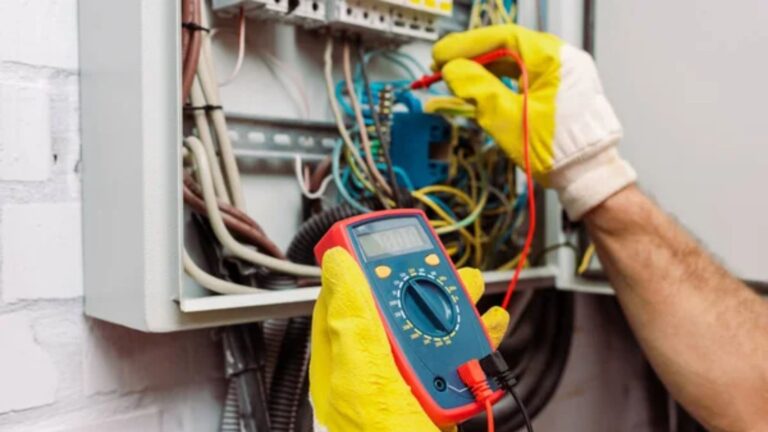
Changing a light fixture can update a room, but electrical work carries a risk of shock or fire if you handle the wiring incorrectly. Turn off the correct circuit breaker, verify the power is off with an appropriate tester, follow the fixture instructions, and hire a licensed electrician if anything is unfamiliar.
Related: 17 Important Home Maintenance Tasks Many Homeowners Struggle With
13. Reset a Tripped Circuit Breaker
A breaker may trip when a circuit is overloaded or an electrical fault occurs, cutting power to protect the wiring. Unplug appliances on the affected circuit and reset the breaker only if there are no signs of burning, heat, or damage; if it trips again, leave it off and call an electrician.
14. Learn How to Use a Fire Extinguisher
Keep an accessible, suitable fire extinguisher at home and read its instructions before an emergency occurs. Only attempt to put out a small, contained fire if you have a clear escape route and know how to use the extinguisher; if the fire grows or you feel unsafe, leave immediately and call emergency services.