Home economics used to be a regular part of school, teaching students to cook meals, sew clothes, manage money, and run a home. Those lessons gave young people a head start on the everyday tasks they’d face once they were living on their own.
Many schools no longer offer these classes, but kids still need these skills. Parents and caregivers can teach them at home, one task at a time, so they feel more comfortable handling daily responsibilities as they grow up.
Basic Cooking
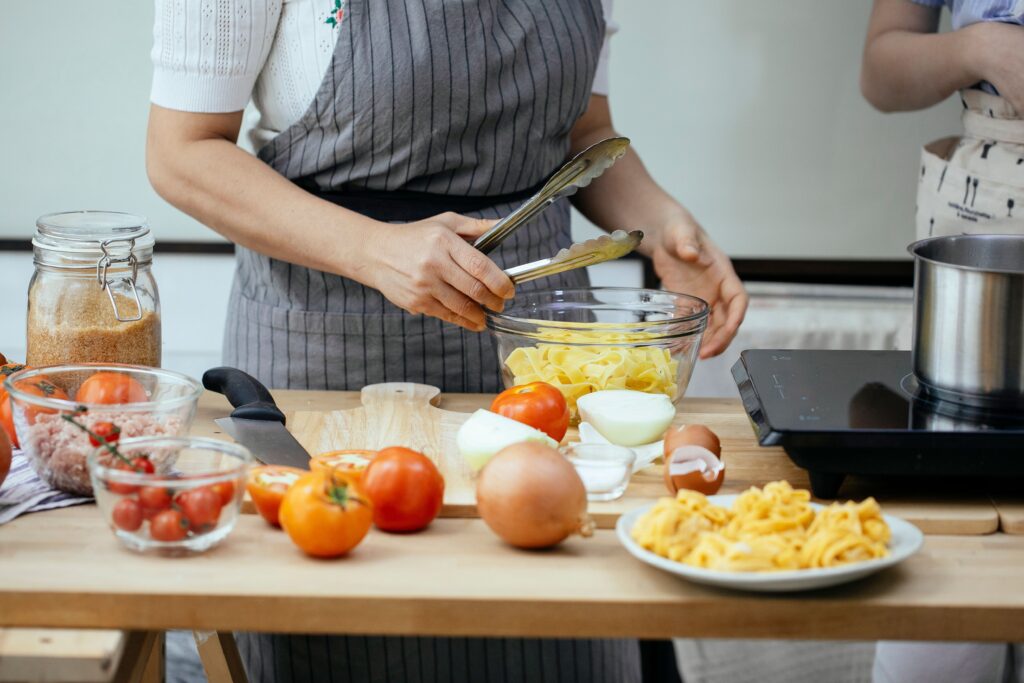
Every child should learn to make a few simple meals before moving out on their own. Start with scrambled eggs, pasta, grilled cheese, or oatmeal, then teach them how to use the stove safely, handle hot pans, and follow a recipe from beginning to finish.
Related: 17 Pantry Staples That Make Cooking From Scratch Easier
Meal Planning and Grocery Budgeting
A grocery trip without a plan can lead to impulse buys, forgotten ingredients, and wasted food. Show kids how to plan meals for the week, write a shopping list, compare prices, and choose affordable foods like rice, beans, pasta, and frozen vegetables.
Laundry Skills
Doing laundry takes more than tossing clothes into the washer and pressing a button. Teach kids to sort clothes by color and fabric, measure detergent, choose the right cycle, and check care labels before putting items in the dryer.
Related: 14 Outdated Laundry Habits That Could Be Ruining Your Clothes
Cleaning and Basic Household Care
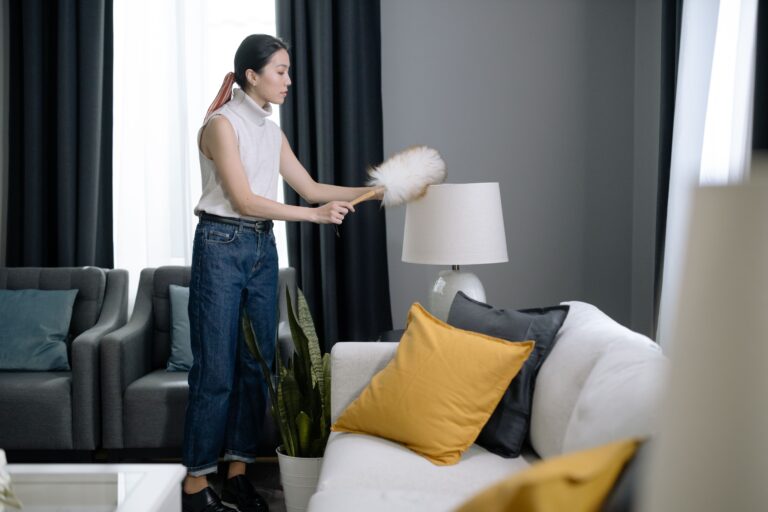
A clean home takes regular work, and kids can start learning those chores while they’re still living with family. Show them how to clean a bathroom, vacuum, mop floors, wipe kitchen counters, take out the trash, and load the dishwasher properly.
Related: 9 Easy Homemade Cleaning Products You Can Make Yourself
Basic Sewing and Mending
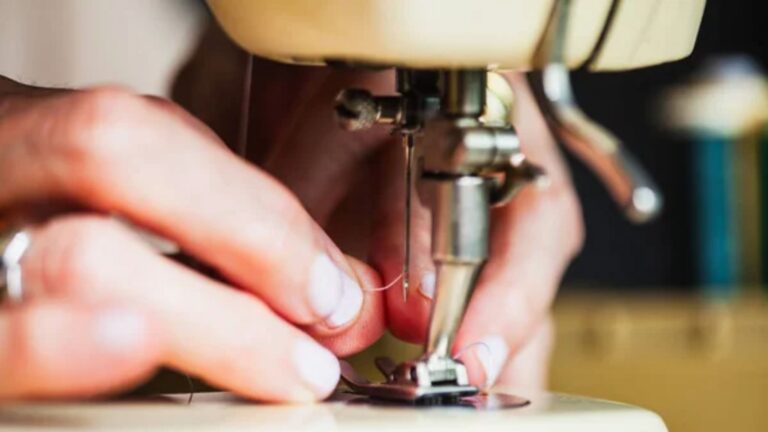
A loose button or small tear doesn’t mean a piece of clothing belongs in the trash. Teach kids to sew on a button, mend a seam, patch a hole, and use iron-on patches or hem tape for quick repairs.
Ironing and Steaming Clothes
Knowing how to remove wrinkles from clothes can come in handy before school events, job interviews, or a day at work. Show kids how to set an iron to the right temperature for each fabric and how to use a handheld steamer without damaging their clothes.
Time Management
Time management gets easier when kids learn to keep up with schoolwork, chores, appointments, and personal plans. Help them make a daily schedule, break larger tasks into smaller steps, and leave enough time to finish things without rushing at the last minute.
First Aid Basics
Kids should know how to respond to common mishaps, such as small cuts, minor burns, splinters, and bumps. Teach them basic first aid, where the household first-aid kit is kept, and when to get an adult or call emergency services.
Home Safety and Emergency Preparedness
Children should know what to do in a fire, power outage, or other household emergency. Show them where flashlights and emergency supplies are stored, how to leave the house safely during a fire, and how to recognize hazards such as exposed wires or a gas leak.
Gardening and Plant Care
Growing a few herbs or vegetables gives kids a chance to learn how plants grow and what they need to stay healthy. Start with a windowsill herb pot or a small garden bed, then let them take charge of watering, checking the leaves, and picking ripe produce.
Related: 14 Vegetables That Make Raised Bed Gardening Easy
Etiquette and Hosting
Good manners help kids feel more comfortable around guests, relatives, teachers, and future coworkers. Teach them how to greet people, set the table, write a thank-you note, offer guests a drink, and show consideration for others.
Using Basic Tools
Every young person should know how to handle a few common household tools before living independently. Show them how to use a screwdriver, hammer, wrench, tape measure, and level, and explain the familiar rule “righty tighty, lefty loosey” for tightening and loosening standard threaded fasteners.
Saving Money, Budgeting, and Paying Bills
Learning to manage money early can help kids avoid common financial mistakes as adults. Teach them to track spending, set savings goals, tell needs from wants, understand a monthly budget, and pay bills by their due dates.
Basic Car Maintenance
A few basic car skills can help young drivers deal with routine upkeep and minor problems. Show them how to check oil levels, top up windshield washer fluid, check tire pressure, recognize dashboard warning lights, and locate the spare tire and jack.
Cooking with Leftovers
Knowing how to use leftovers helps families waste less food and get more meals from the groceries they’ve already bought. Show kids how to turn leftover spaghetti into baked pasta, use cooked chicken in sandwiches or tacos, and add cooked vegetables to soup, fried rice, or omelets.
Related: Things You’re Putting Down the Garbage Disposal That Could Cause Problems
Give Kids a Head Start on Adult Life
Kids don’t have to learn every household skill at once, and they won’t get everything right on the first try. Let them take on age-appropriate tasks, practice regularly, and learn from small mistakes while someone is there to help.
By the time they leave home, these everyday lessons can help them cook for themselves, keep their living space in order, look after their belongings, and make wiser choices with their money.