Making your home greener doesn’t have to mean spending thousands on renovations or changing the way you live overnight. A few affordable adjustments can help cut waste, lower utility bills, and make everyday life a little easier on the planet.
1. Choose Energy-Efficient Appliances
Older refrigerators, dishwashers, and washing machines may use more electricity and water than newer models. If you’re replacing an appliance, look for ENERGY STAR-certified options that meet energy-efficiency standards and can help reduce running costs.
Related: 11 Everyday Household Problems Hydrogen Peroxide Can Help With
2. Switch to LED Light Bulbs
LED bulbs use much less electricity than traditional incandescent bulbs and can last for years. Start with frequently used lights to cut energy use without changing every bulb at once.
Related: 9 Homemade Cleaners Made With Everyday Household Ingredients
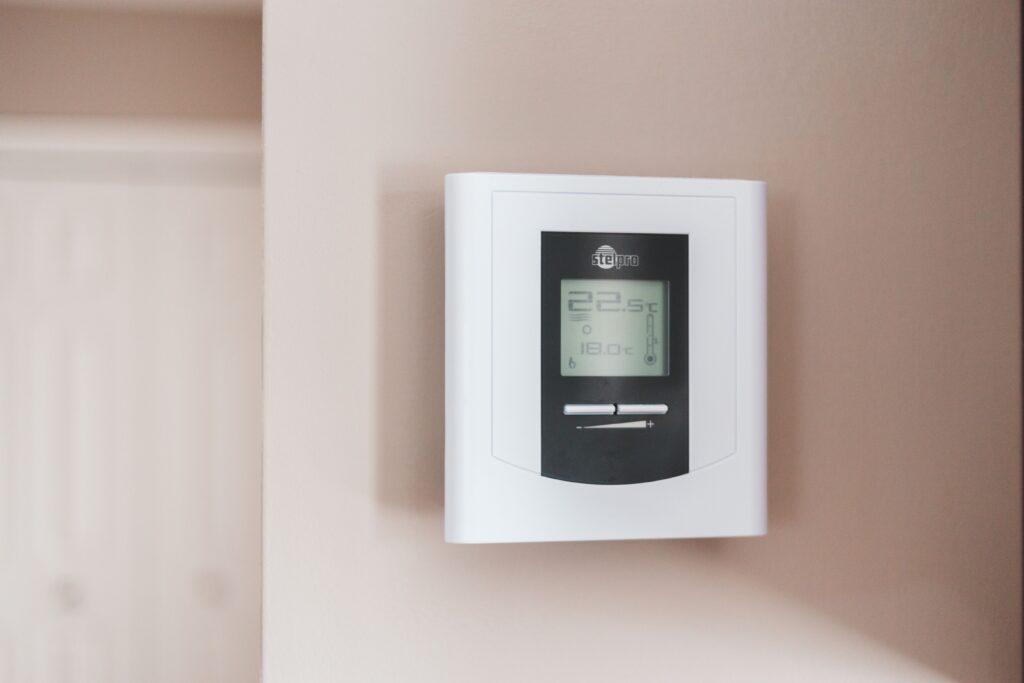
3. Install a Smart Thermostat
Heating and cooling can make up a large portion of a household’s energy bill, especially during extreme weather. A smart thermostat can follow your schedule and adjust temperatures automatically, helping reduce energy use while you’re asleep or away from home.
Related: 14 Emergency Supplies Every Prepared Household Should Have
4. Install Water-Saving Fixtures
Low-flow showerheads, faucet aerators, and water-efficient toilets can reduce household water use without making everyday tasks inconvenient. Many are easy to install, and using less hot water can also help lower energy costs.
Related: 17 Ways Hydrogen Peroxide Can Help With Everyday Household Problems
5. Pick Greener Materials for Home Projects
If you’re updating a room or replacing flooring, look into reclaimed wood, bamboo, recycled tile, and responsibly sourced materials. These options can give your home a fresh look while using recycled resources or materials from more sustainable sources.
6. Start Composting Food Scraps
Fruit peels, vegetable trimmings, coffee grounds, and yard waste can go into a compost bin instead of the garbage. Once broken down, the compost can improve garden soil and reduce the amount of organic waste your household sends to landfills.
7. Look Into Solar Panels
Solar panels can reduce the amount of electricity you buy from your utility company, though the upfront cost can be high. Compare installation quotes, roof conditions, local electricity rates, and available incentives before deciding whether solar makes financial sense for your home.
8. Try Lower-Waste Cleaning Products
Look for cleaners with refillable packaging, concentrated formulas, or ingredients that meet your household’s needs without unnecessary waste. You can also make some cleaners at home, but never mix cleaning chemicals like bleach and vinegar, as the combination can release dangerous fumes.
9. Use Curtains to Help Control Indoor Temperatures
Thermal curtains and cellular shades can help keep rooms warmer in winter and reduce heat coming through windows during summer. Closing them at the right times can ease the workload on your heating and cooling system and may lower your energy bills.
10. Buy Less and Choose Items That Last
Before bringing something new into your home, ask yourself whether you really need it and how long it is likely to last. Buying durable products, repairing what you already own, and shopping secondhand can reduce household waste while saving money on repeat purchases.