Thrift stores, yard sales, and flea markets can be great places to find useful supplies without paying full retail prices. Items someone else no longer needs may still have plenty of life left.
Prepping is about having basic supplies ready for emergencies, power outages, severe weather, or times when stores and everyday services are harder to access. Building a supply kit can get expensive, so buying certain items secondhand is a practical way to stretch your budget.
Here are 14 things worth checking for during your next secondhand shopping trip.
1. Camping Gear
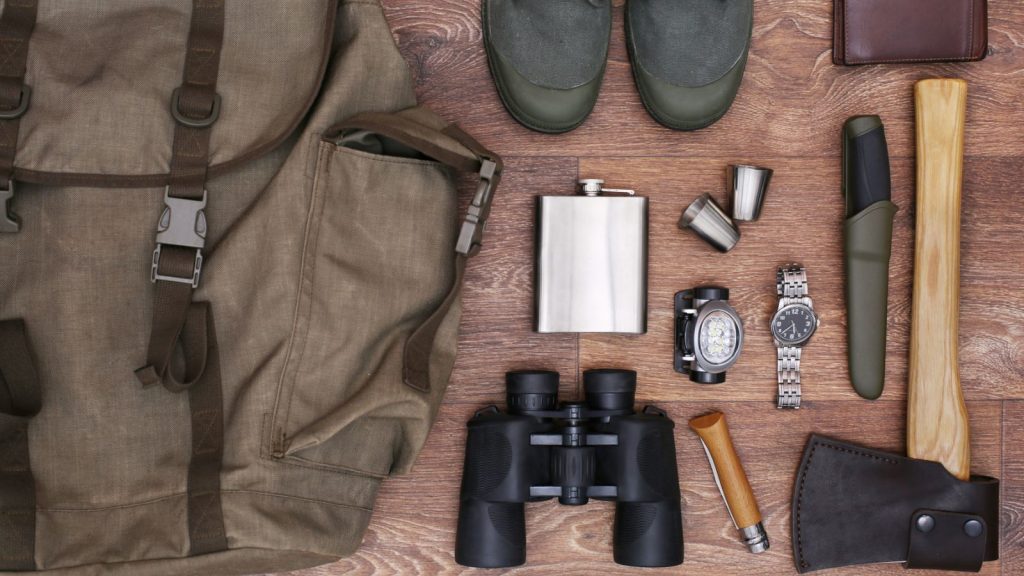
Tents, sleeping bags, camp stoves, and other outdoor gear can come in handy during trips, evacuations, or temporary disruptions at home. Before buying, check tents for torn fabric, sleeping bags for damaged zippers, and stoves for missing parts or signs of damage.
Related: 10 Items Every Homesteader Should Be Thrifting
2. Books
Look for books about first aid, gardening, food preservation, basic repairs, and other skills you might need during an emergency. Printed guides can be useful when the internet is unavailable, but check medical and safety information against current guidance.
3. Cast Iron Cookware
Secondhand cast iron pans and pots can last for decades with proper care and work on many compatible heat sources. Check for cracks, severe warping, and loose handles, then clean and season the cookware before using it.
Related: 14 Garage Items That Are Taking Up Valuable Space
4. Sturdy Clothing
Warm jackets, work pants, hats, gloves, and layered clothing can be useful in cold weather, during outdoor work, or if you’re unexpectedly away from home. Look for durable fabric, working zippers, sound seams, and a comfortable fit rather than focusing on the brand.
5. Boots
A sturdy pair of boots can protect your feet during outdoor tasks, rough weather, and long walks. Inspect the soles, seams, tread, and fit carefully, since worn outsoles or damaged waterproofing can make a cheap pair a poor buy.
Related: 10 Common Household Items You Didn’t Know You Could Recycle
6. Backpacks
Secondhand backpacks can hold emergency supplies, food, clothing, and other items you might need to carry during a trip or evacuation. Check the stitching, shoulder straps, zippers, and buckles, and choose a size that suits the supplies you plan to pack.
7. Flashlights
Battery-powered flashlights are handy during blackouts and other situations where you need reliable light. Test each one before buying, check the battery contacts for corrosion, and keep compatible spare batteries stored safely at home.
Related: The Everyday Items You’re Probably Stockpiling for No Good Reason
8. Candles
Unused candles can provide backup lighting during a power outage, making them inexpensive items to keep in a household supply box. Store them away from heat and flammable materials, and use them only in stable holders while keeping them away from children and pets.
9. Thermoses
An insulated thermos can keep drinks hot or cold for hours, which is helpful during travel, outdoor work, or a power outage. Check the lid and seals for damage, and test whether the container leaks before relying on it.
10. Blankets
Secondhand blankets, especially wool ones, can provide extra warmth during cold weather or a heating outage. Check for holes, odors, stains, and damaged stitching, then wash the blanket according to its care label before storing it with your supplies.
Related: 15 Pantry Items You Shouldn’t Ignore During Your Next Cleanout
11. Canning Supplies
Thrift stores sometimes have canning jars you can reuse for food preservation or dry goods storage. Check every jar for chips and cracks, and use proper canning lids and tested recipes when preserving food, since ordinary glass jars and tight lids alone don’t make food shelf-stable.
12. Fabric
Old sheets, sturdy cotton fabric, and other clean textiles can be useful for mending clothes, making simple bags, or patching household items. Choose material without mold, heavy stains, or weak spots, and keep suitable scraps sorted by size for future projects.
13. Tools
Hand tools such as pliers, screwdrivers, hammers, and wrenches can help with basic repairs when replacement parts or repair services aren’t readily available. Check for loose handles, damaged grips, rust, and worn working edges before adding them to your toolbox.
14. Manual Kitchen Tools
Hand-operated can openers, peelers, graters, and food mills can help prepare meals when electricity is unavailable. Check that moving parts work smoothly and that the handles are secure, then keep the tools clean and stored where you can reach them easily.