This post may contain affiliate links.
Knowing what belongs in the trash sounds easy until you start dealing with things like old paint, batteries, electronics, or motor oil. These items can look like ordinary household waste, but putting them in the garbage can create safety and environmental problems.
The good news is that you don’t have to guess. Many of these items have recycling programs, collection sites, or other disposal options available.
Before you toss something questionable into the trash, check whether it needs special handling. These 12 household items are a good place to start.
Paint
Leftover paint can be tricky to get rid of because disposal rules vary depending on the type of paint and where you live.
Water-based latex paint can often go in the regular garbage once it’s completely dried out. You can speed up the process by mixing the paint with kitty litter, sawdust, or another absorbent material. Oil-based paints, stains, and other hazardous coatings usually require a special drop-off location.
If you’re unsure what to do with the paint sitting in your garage, check with your local waste department or household hazardous waste program before throwing it away.
Related: Specialty Furniture Paints Give You The Ability To Transform Your Furniture
Books
Books don’t automatically belong in the trash just because you’re finished with them.
If your books are still in decent condition, consider donating them to a library, charity, thrift store, school, or community organization. You can also sell books online if they’re valuable or in demand.
Books that are badly torn, water-damaged, or otherwise unusable may be accepted through paper recycling programs. Check your local recycling rules first, since some programs have restrictions on books and other bound materials.
If you have a whole shelf to clear out, this guide has more ideas: 16 Responsible Ways to Get Rid of Old Books
Medical Waste
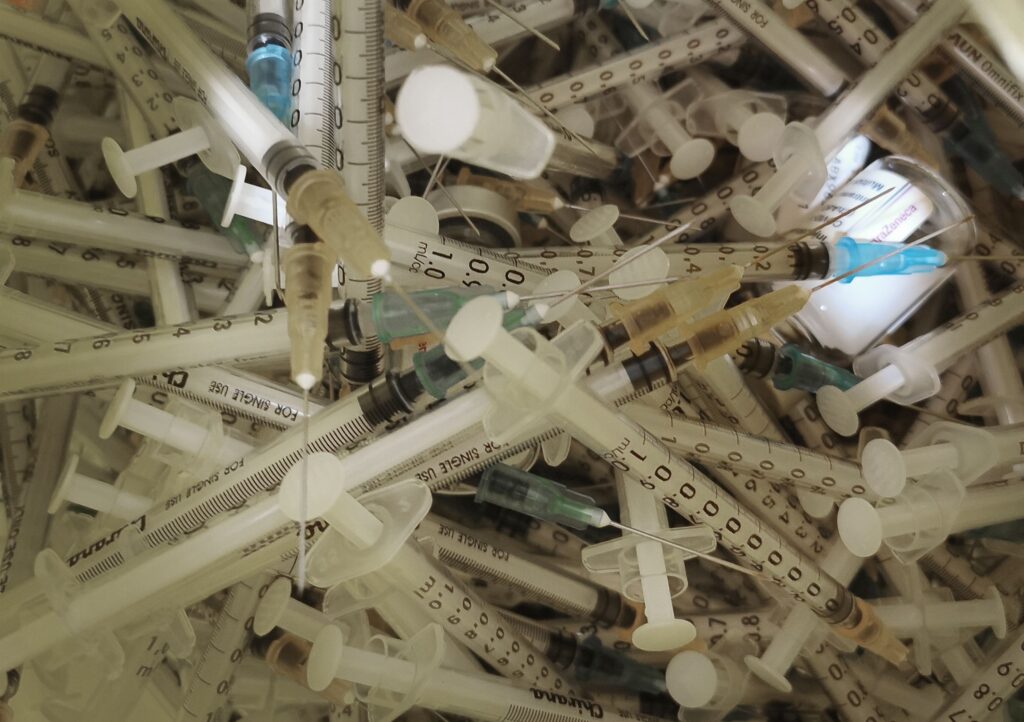
Old medicine, used needles, syringes, and other medical waste shouldn’t simply be tossed into your household garbage.
Medication can end up in the wrong hands, while needles and other sharp objects can injure people who handle garbage or recycling. Some medicines also require special disposal.
Drug take-back programs are often a good option for unwanted medication. Pharmacies, hospitals, police departments, and local government programs may also have collection sites.
For used needles and other sharps, check your local rules for approved disposal containers and collection locations. Never place loose needles in a recycling bin.
Your mail may look harmless, but old bills, bank statements, medical paperwork, and other documents can contain information you’d rather not leave exposed.
Instead of tossing sensitive paperwork into the garbage, shred documents that contain personal or financial information. Depending on your local recycling program, shredded paper may be accepted for recycling, though some programs have specific requirements.
For ordinary junk mail without sensitive information, check your local recycling guidelines before placing it in the bin.
Related: What to Do When Your Garbage Disposal Stops Working
Old Technology
Old laptops, phones, tablets, computers, and other electronics shouldn’t go into your regular garbage.
Electronics contain materials that can be recovered through recycling, and some components require special handling. They may also contain personal information, so wipe your devices and perform a factory reset before giving them away or recycling them.
Check with electronics retailers, manufacturers, or your local recycling program to find a drop-off option. If the device still works, selling or donating it may be another option.
Fluorescent Light Bulbs
Fluorescent bulbs require more care than ordinary household light bulbs because they contain a small amount of mercury.
The U.S. Environmental Protection Agency recommends checking local recycling or household hazardous waste programs for proper disposal options. Some stores and recycling centers accept fluorescent bulbs, while others don’t.
Don’t put broken fluorescent bulbs in your recycling bin. If one breaks, follow your local cleanup and disposal guidance to reduce the risk of exposure to mercury.
Batteries
Batteries are another item that shouldn’t automatically go into the garbage. Damaged or discarded batteries can cause fires, particularly when they are crushed or punctured during waste collection or processing.
Different batteries may also have different disposal requirements. Rechargeable batteries, lithium-ion batteries, car batteries, and ordinary household batteries may be handled through separate programs.
Look for a local battery recycling or household hazardous waste collection site. Retailers may also accept certain types of batteries through take-back programs.
If a battery is swollen, leaking, hot, or damaged, don’t put it in a regular trash or recycling bin. Check with your local hazardous waste program for instructions.
Old Clothes
Clothing doesn’t have to go straight into the garbage just because you no longer want it.
Clothes that are clean and wearable can often be donated, sold, or given to someone who needs them. Shoes, coats, and accessories may also have donation options.
For clothing that is stained, ripped, or too worn to donate, look for a textile recycling program in your area. Some organizations collect damaged textiles and send them for reuse or recycling.
Before throwing clothes away, check whether a local charity, textile collection program, or retailer will take them.
Ink Cartridges
Used printer cartridges can often be recycled through office supply stores, manufacturers, or specialized recycling programs.
Some retailers offer cartridge collection programs, though the rules can vary. There may be limits on the number of cartridges accepted, the brands included, or whether you qualify for a store credit.
Keep empty cartridges out of the trash when a recycling option is available. A quick call to your local office supply store can tell you whether they participate in a collection program.
Appliances
Large appliances shouldn’t be treated like ordinary household garbage. Refrigerators, freezers, air conditioners, washing machines, dryers, and other appliances may contain refrigerants, electronics, metals, or other materials that require special handling.
Older refrigerators and air conditioners can contain refrigerants that need to be recovered properly before the appliance is recycled.
If you’re replacing an appliance, ask the retailer whether they offer old-appliance removal. Local waste departments and recycling centers may also have programs for large appliances.
Tires
Old tires can take up a lot of space and usually aren’t accepted with regular household garbage. Some areas also have laws that prohibit placing tires in the trash.
Tire shops, auto repair businesses, recycling centers, and local waste programs may accept old tires. There may be a small disposal or recycling fee.
If you’re replacing your tires, ask the shop whether they handle the old ones for you. That’s often the easiest option.
Motor Oil
Never pour used motor oil down a drain, onto the ground, or into a storm sewer. It can contaminate waterways and create problems for wastewater systems and the environment.
Used motor oil can often be recycled. Many auto parts stores, service stations, and recycling centers accept it, although each location may have its own rules about the type and amount of oil it takes.
Keep used oil in a clean, sealed container and check with a local collection site before dropping it off. Never mix motor oil with gasoline, antifreeze, solvents, or other fluids unless the collection program specifically tells you to do so.
A little extra effort can keep these items out of the wrong waste stream and may also give materials a second use. The next time you’re cleaning out a garage, basement, kitchen, or bathroom cabinet, pause before tossing questionable items into the trash. A quick check of your local disposal rules can save you from an unsafe or improper disposal mistake.
Other Topics You Might Like
- 10 Strange Things That Are Surprisingly Smart to Stockpile
- How to Clean a Wood Cutting Board
- 15 Safe Ways to Clean a Cast Iron Skillet Without Ruining the Seasoning
- 12 Things Professional Organizers Would Never Store Under the Kitchen Sink
- 12 Small Habits That Make a Big Difference in Keeping Your Home Clean