Plastic containers are handy for leftovers, meal prep, and keeping food organized. They’re lightweight, stack easily, and can make a crowded fridge a little easier to manage. Still, some foods and household products are better kept in glass, ceramic, stainless steel, or their original packaging.
Heat, oils, acids, and strong odors can stain plastic, leave behind smells, or make certain containers harder to clean. Scratched or damaged plastic can also be more difficult to keep sanitary. For hot foods, it’s also important to use containers specifically rated for hot food rather than assuming every plastic container can handle high temperatures.
If you want your food to taste fresh and your containers to hold up longer, these are some items worth storing elsewhere.
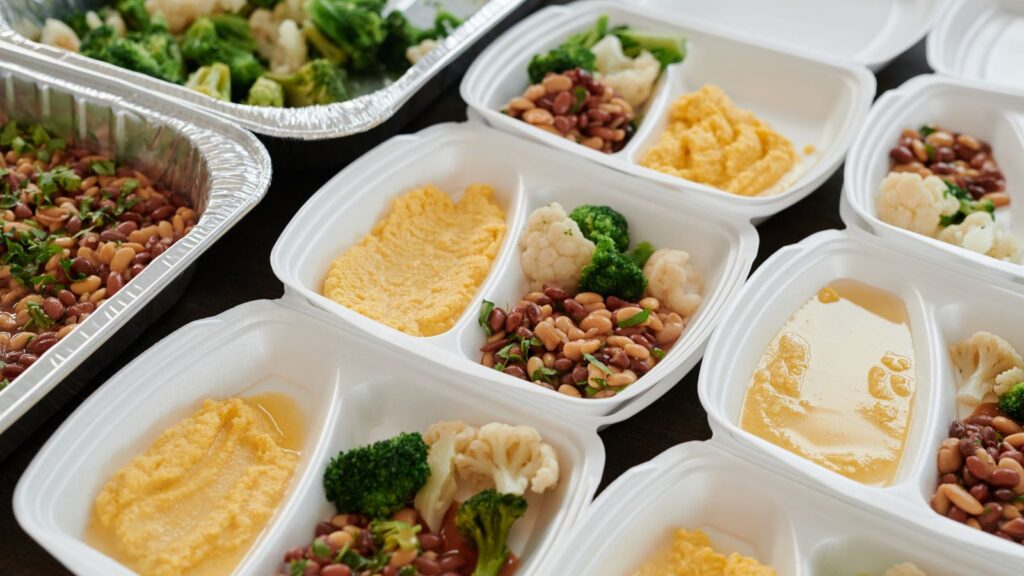
Hot Leftovers
Putting very hot food into a plastic container can cause some containers to soften, warp, or become damaged. Heat can also increase the migration of certain substances from plastic into food, especially if the container isn’t intended for high temperatures.
Let food cool according to the container manufacturer’s instructions, or use a glass container made for hot food. Glass is also less likely to develop stains from repeated use.
Tomato-Based Sauces
Tomato sauce has a reputation for turning plastic containers bright orange-red, and that stain can be surprisingly stubborn.
The combination of acidity, heat, and oil can leave both color and odor behind. A glass container is much easier to clean after storing pasta sauce, chili, or other tomato-heavy dishes.
Greasy Foods
Fried chicken, bacon, oily pasta, and other greasy foods can leave a stubborn film inside plastic containers. Grease can also cling to scratches and seams, making the container harder to clean completely.
Glass and stainless steel are easier to wash after storing oily foods and are less likely to hold onto those lingering smells.
Highly Acidic Foods
Pickles, citrus slices, vinegar-based dressings, and fermented foods are highly acidic. They can pick up odors from previously stored foods, while repeated contact with acidic ingredients may be unsuitable for some types of plastic.
Glass is a practical choice for acidic foods because it doesn’t absorb flavors and is easy to wash.
Alcohol-Based Products
Mouthwash, extracts, rubbing alcohol, and other alcohol-based products should generally stay in their original containers.
Some plastics can be affected by alcohol, particularly after prolonged contact. If a product needs to be transferred, check the manufacturer’s storage instructions and use a container made for that particular substance. Glass is often a better option for many alcohol-based liquids.
Dairy Products
Milk, yogurt, cream, and soft cheeses can pick up lingering odors from plastic containers, especially ones that have been used for strongly flavored foods.
Glass containers make a good choice for dairy because they don’t absorb food smells and are easy to wash thoroughly. For refrigerated dairy, use a clean container with a secure lid and keep it properly chilled.
Spices and Dried Herbs
Spices and dried herbs need protection from moisture, heat, air, and light. A loosely sealed plastic container can allow moisture to get in, which can cause clumping and shorten the shelf life of your seasonings.
A tightly sealed glass jar works well for herbs and spices. Keep the jars in a cool, dry cabinet away from the stove and other sources of heat.
Coffee Beans
Coffee beans lose their freshness when exposed to air, moisture, heat, and light. Plastic can also retain odors from other foods, which isn’t ideal for something as sensitive as coffee.
An airtight, opaque container made from glass or ceramic can help protect the beans from outside odors. Keep it in a cool cabinet rather than on the counter beside the coffee maker.
Related: 14 Incredible Ways to Repurpose Used Coffee Grounds
Fresh Produce
Fresh fruits and vegetables don’t all need the same storage conditions. Sealing certain produce in an airtight plastic container can trap moisture, which may speed up mold and spoilage.
Leafy greens and other delicate produce often do better with some ventilation. Vented produce containers or breathable storage bags can help, depending on the food. Check the storage needs of each type of produce rather than sealing everything in the same kind of container.
Leftover Pizza
Pizza brings together two things that can be rough on plastic: grease and tomato sauce. The result can be a stained container that still smells like last night’s dinner after several washes.
A glass food-storage container works well for pizza leftovers. If you prefer to stack slices, wrap them properly before refrigerating them so the crust doesn’t pick up moisture and the toppings stay contained.
Peanut Butter
Natural peanut butter contains plenty of oil, and that oil can cling to plastic. Once it gets into tiny scratches or along the edges of a container, cleaning it can become a chore.
Keeping peanut butter in its original jar is usually easiest. If you need to transfer it, a glass jar with a tight lid is a good choice and can be washed thoroughly after use.
Cleaning Supplies
Some cleaning products contain ingredients that can damage certain types of plastic or cause containers to weaken over time.
Cleaning products should generally stay in their original packaging. The manufacturer’s container is labeled for that product and provides important information about safe storage. Never transfer cleaners into food containers, and never mix different cleaning products unless the label specifically says it is safe.
Essential Oils
Essential oils are highly concentrated, and many can damage or soften certain plastics after prolonged contact. This can affect the container and the oil itself.
Dark glass bottles are commonly used for essential oils because they help protect the oils from light and are compatible with many concentrated oils. Keep them tightly closed and away from heat.
Honey
Honey is thick, sticky, and naturally acidic, and it can absorb odors from containers that aren’t completely odor-free. Plastic can also be frustrating to clean after a spill.
A glass jar is a simple storage choice for honey. It won’t hold onto food smells, and warm water makes the sticky residue much easier to wash away.