Every fall, the same job comes around: dealing with the leaves covering the yard. A layer of colorful leaves can look beautiful for a while, but too many left on the lawn can block sunlight and air from reaching the grass. Wet leaves can also create a damp hiding place for pests and make the yard slippery.
Raking is the classic solution, but it can be tiring, especially if you have a large property or have trouble with the physical work involved. Thankfully, a rake isn’t your only option.
Here are several ways to clear fallen leaves, along with a few options that let you put those leaves to work instead of sending them straight to the trash.
Use a Leaf Blower
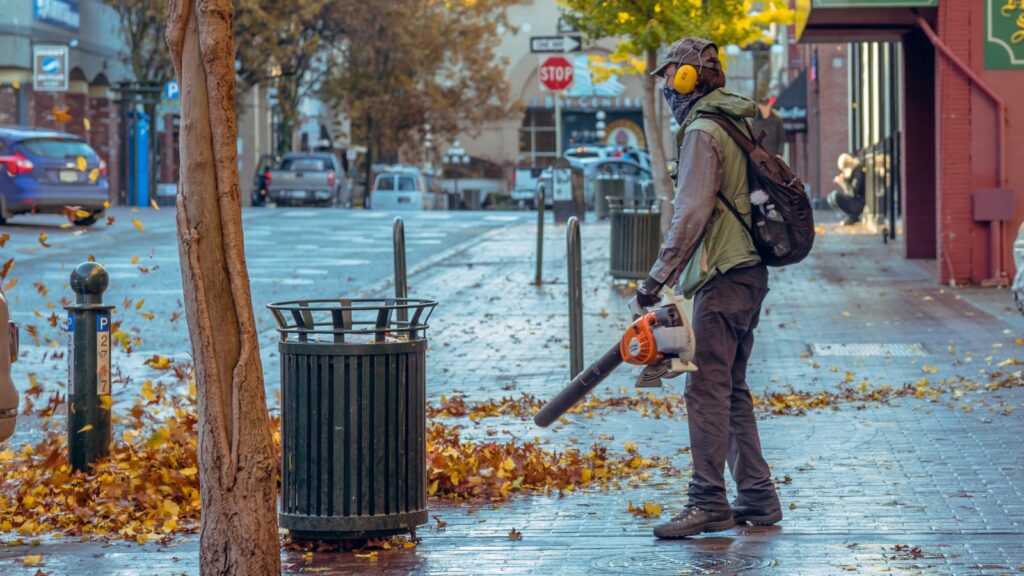
A leaf blower can quickly clear a large yard. Rather than spending hours dragging a rake across the grass, you can gather leaves into manageable piles and deal with them from there.
Battery models have closed most of the gap with gas, and a cordless leaf blower is quieter and needs no fuel or pull cord, which matters when you only run it a few weekends each fall.
Electric and battery-powered blowers are worth looking at if you want something quieter than a gas-powered model. Whichever type you use, wear hearing protection and avoid blowing leaves toward roads, neighboring properties, or areas where the debris could cause a problem.
Try a Leaf Vacuum
A leaf vacuum is handy for areas where a blower isn’t much help. You can use one around flower beds, along fences, beneath shrubs, and in other tight spots where leaves tend to collect.
Many leaf vacuums also shred the leaves as they are collected. That means the resulting material takes up less space and can be added to a compost pile or used as mulch.
Run Over the Leaves With a Lawn Mower
If your mower has a collection bag, it can be one of the quickest ways to deal with a layer of leaves on the lawn. Running the mower over the leaves chops them into smaller pieces while collecting much of the debris.
You can also leave finely shredded leaves on the lawn, where they can break down over time. If you’re collecting them, the smaller pieces take up less room in the mower bag.
Gather Leaves With a Tarp
A tarp is one of those simple solutions that can save a lot of work. Spread a large tarp across the yard, rake or blow the leaves onto it, then grab the corners and pull the whole pile to your compost area or collection point.
This works particularly well if you’re dealing with a large number of leaves and don’t want to make repeated trips with a small bag or bin.
Burn Leaves Only Where It’s Legal
Some homeowners burn fallen leaves, but this isn’t permitted everywhere. Local rules may prohibit open burning, and dry leaves can catch fire and spread much faster than expected.
If leaf burning is allowed where you live, check the local regulations before starting. Follow any restrictions on weather, location, fire size, and supervision. Never burn leaves near buildings, dry vegetation, fences, or other materials that could catch fire.
For many households, composting, mulching, or arranging yard-waste collection is a safer choice.
Use a Snow Shovel
A snow shovel can come in handy long before winter arrives. Its wide scoop makes it useful for moving piles of leaves, particularly along fences, in corners, or beside the house.
It isn’t the best choice for every part of the yard, but it can save time when you have a dense pile that needs to be moved a short distance.
Related: 9 Homemade Cleaning Products That Skip the Harsh Chemicals
Hire a Leaf Removal Service
There is nothing wrong with paying someone else to handle a job that has become too much to manage. Landscaping companies and seasonal leaf-removal services have equipment that can clear a large yard much faster than most homeowners can with a rake.
This can be a good option if your property has a lot of mature trees or if you simply don’t have the time or physical ability to handle the cleanup yourself.
Mulch the Leaves
You don’t always need to remove fallen leaves from your lawn. A lawn mower can chop them into small pieces that settle between the blades of grass and break down over time.
Leaves can also be shredded and spread around garden beds as mulch. This gives you a useful material for the garden instead of filling bags with leaves and sending them away.
Related: Cheap Mulch Ideas for Your Garden Beds
Leave Some Leaves Behind
A perfectly leaf-free yard isn’t always the best goal. In less-used areas of your property, leaving some fallen leaves in place can provide shelter for insects and other small creatures during the colder months.
As the leaves break down, they return organic matter and nutrients to the soil. You can leave them beneath trees, around shrubs, or in a designated section of the garden while keeping the main lawn clear.
Fallen leaves can also reduce the amount of yard waste you need to haul away and give your garden soil a free source of organic material.
Related: Leave the Leaves: Here’s Why Your Fall Garden Doesn’t Need a Cleanup
If you’re dealing with a heavy layer of leaves, you don’t have to tackle the whole yard in one exhausting session. Mulch some, compost some, move the rest with a tarp or blower, and leave suitable areas alone. A little planning can make fall cleanup much less of a chore.
Other Topics You Might Like
- 10 Strange Things That Are Surprisingly Smart to Stockpile
- How to Clean a Wood Cutting Board
- 15 Safe Ways to Clean a Cast Iron Skillet Without Ruining the Seasoning
- 12 Things Professional Organizers Would Never Store Under the Kitchen Sink
- 12 Small Habits That Make a Big Difference in Keeping Your Home Clean