It’s easy to keep the obvious parts of your home clean while forgetting about the spots that sit just out of sight. Dust collects under furniture, food gets trapped in appliances, and damp areas can become breeding grounds for bacteria and mold.
These overlooked places may not be on your regular cleaning list, but they deserve some attention from time to time. A little extra cleaning can help keep your home fresher and prevent grime from building up.
Here are 16 spots around the house that are easy to miss.
Behind the Kitchen Stove
The space behind and underneath your stove can collect an impressive amount of grease, crumbs, food scraps, and dust. Spilled food can sit there for weeks without being noticed, which can attract insects and other pests. Grease buildup can also create a fire concern.
Move the stove out carefully, if possible, and vacuum or sweep up loose debris. Follow with a degreaser or warm, soapy water to remove the greasy residue.
Around the Toilet
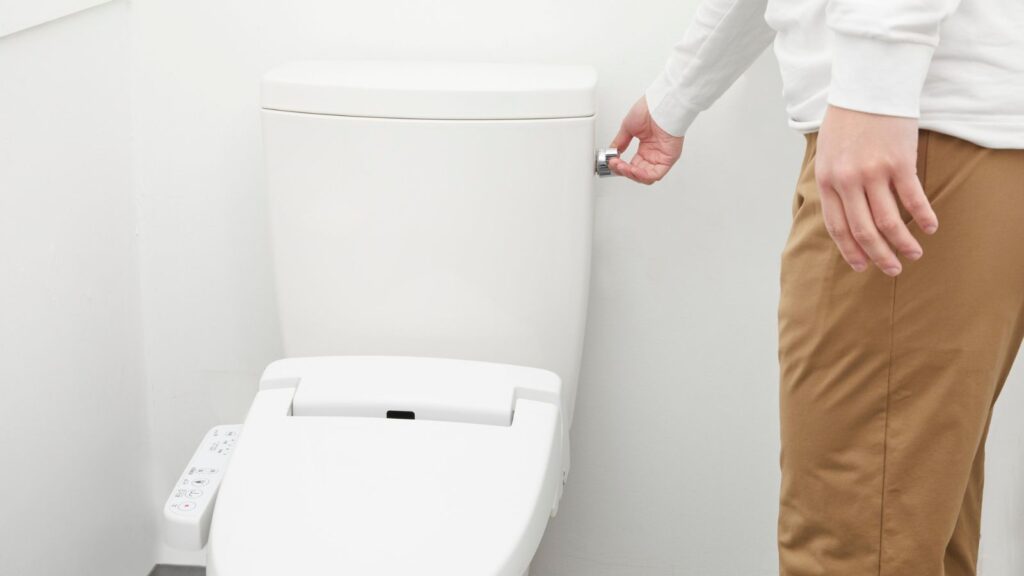
Cleaning the toilet bowl and seat is usually part of the weekly bathroom routine, but the floor and wall around the toilet can be forgotten. Dust, hair, splashes, and other grime can collect around the base and behind the toilet.
Wipe these areas with a bathroom cleaner and a disposable cloth or paper towel. If you use a bleach-based product, follow the label directions and never mix it with other cleaners.
Underneath Furniture
The space beneath beds, couches, dressers, and other large pieces of furniture can become a dust magnet. Pet hair, crumbs, toys, socks, and even forgotten water bottles can end up underneath them.
Move furniture when it is safe to do so and vacuum or sweep underneath. If the furniture is too heavy to move alone, use a long-handled vacuum attachment or duster to reach the hidden areas.
Garbage Disposal
Your garbage disposal deals with food scraps every day, so it can develop odors and buildup over time. Small pieces of food can become trapped inside the disposal or drain and start to smell.
Using lemon or orange peels can help freshen the disposal, while ice can help knock loose some residue. For more tips, check out these ways to eliminate smells in the garbage disposal.
It’s also worth knowing which foods and materials should stay out of the disposal. Here are 18 Things You Should Never Put Down the Garbage Disposal.
The Coffee Maker
If you drink coffee every day, your coffee maker gets plenty of use but may not get nearly enough cleaning. Coffee oils, mineral deposits, and moisture can collect inside the machine and affect both its performance and the taste of your coffee.
Give the removable parts a regular wash and follow the manufacturer’s instructions for cleaning the inside of the machine. If you’re overdue for a cleaning, here’s a helpful guide on how to clean a coffee maker.
Grout
Tile grout can go from clean to grimy without much warning. Dirt settles into the porous surface, while damp bathrooms can encourage mold and mildew growth.
Give grout a good scrub every so often instead of waiting until it becomes badly discolored. Regular cleaning grout can make the job much easier the next time around.
Showerhead
The outside of a showerhead may look perfectly clean while mineral deposits and grime build up around the spray holes. In areas with hard water, this buildup can happen surprisingly fast.
To clean it, soak the showerhead in white vinegar for about an hour, then gently scrub away loosened deposits with a soft toothbrush. Rinse it well with water before putting it back into use.
This guide explains how to clean a showerhead if yours needs a little extra attention.
Kitchen Sponge
That kitchen sponge might look harmless, but it can hold onto food particles, moisture, and bacteria. A sponge that stays damp between uses gives germs plenty of time to multiply.
Wash or sanitize your sponge according to the manufacturer’s instructions, and replace it regularly. If it smells bad, looks worn, or has been sitting around for too long, throwing it out is often the easiest option.
Kitchen Sink
The kitchen sink handles everything from raw food and dirty dishes to greasy pots and pans. Food residue can collect around the drain, faucet, and edges of the basin.
Give the sink a daily wash with dish detergent and warm water. For a deeper clean, scrub around the drain and faucet where grime tends to hide.
Inside the Dishwasher
A dishwasher cleans your dishes, but that doesn’t mean the appliance itself stays clean. Food particles, grease, soap residue, and mineral deposits can build up inside the machine, especially around the filter and door seal.
Check and clean the filter regularly, wipe down the door and seals, and run a cleaning cycle based on the manufacturer’s instructions. A little maintenance can also help with unpleasant odors and poor drainage.
Here’s a guide on how to clean a dishwasher.
Ceiling Lights and Fixtures
Look up every once in a while and check your ceiling fans and light fixtures. Dust can collect on fan blades, around light covers, and along the edges of fixtures.
Use a long-handled duster for areas that are easy to reach from the floor. For stubborn grime, turn off the light or fan and wipe the surface with a slightly damp cloth. Use a sturdy step stool only when needed, and never stand on a chair to reach a fixture.
Baseboards
Baseboards don’t usually get much attention during a quick cleaning session, yet they collect dust, pet hair, scuff marks, and dirt along the bottom edge.
Run a microfiber cloth or vacuum attachment along them. For marks that don’t come off with dry dusting, use a damp cloth with a small amount of mild cleaner.
Windows
Windows collect fingerprints, dust, pet nose prints, and other marks throughout the year. The glass may look clean from across the room while still being covered in smudges up close.
Use a glass cleaner such as Windex and wipe the glass with a clean microfiber cloth or paper towel. Don’t forget the window frames and sills, where dust tends to collect.
Blinds
Blinds are another easy place to miss during routine cleaning. Each slat can collect a layer of dust, especially in bedrooms and living rooms.
Run a dry or slightly damp microfiber cloth across the slats. A vacuum with a brush attachment can also make quick work of heavier dust.
Washing Machine
A washing machine can develop a musty smell when moisture, detergent residue, and grime build up inside. Front-load washers can be especially prone to this problem if the door stays closed between loads.
After washing clothes, leave the door open for a while so the inside can dry. Wipe the door seal and detergent drawer regularly, and run the machine’s cleaning cycle according to the manufacturer’s instructions. If your washer has developed a stubborn odor, check the owner’s manual before choosing a cleaning product.
Toothbrush Holder
The toothbrush holder is easy to ignore because it isn’t something you usually think of as dirty. Yet toothbrushes can drip water, toothpaste, and other residue into the holder, creating a damp spot where germs can collect.
Wash the holder regularly with hot, soapy water. If it’s dishwasher-safe, you can place it in the dishwasher for a more thorough cleaning. Let it dry completely before putting the toothbrushes back.
A clean toothbrush holder is a small detail, but it can make the bathroom feel much fresher.
Other Topics You Might Like
- 10 Strange Things That Are Surprisingly Smart to Stockpile
- How to Clean a Wood Cutting Board
- 15 Safe Ways to Clean a Cast Iron Skillet Without Ruining the Seasoning
- 12 Things Professional Organizers Would Never Store Under the Kitchen Sink
- 12 Small Habits That Make a Big Difference in Keeping Your Home Clean