
Most of us have a few things tucked away that we keep telling ourselves we’ll use someday. Maybe it’s an old phone, a box of hotel toiletries, or a shirt that hasn’t fit in years. It’s easy to hold onto these things because getting rid of them can feel wasteful.
The problem is that “someday” rarely arrives. Before long, closets, drawers, cabinets, and storage areas become crowded with things we no longer use.
A little clearing out can make your home feel more manageable and give you back storage space you can actually use. Here are 15 common household items worth looking at the next time you’re ready to declutter.
Old Cell Phones
Old cell phones tend to collect in drawers long after we’ve stopped using them. Maybe you’re keeping one as a backup, but if it no longer works well or is several generations behind, it may be taking up space for no reason.
Check whether the phone can be recycled, traded in, or donated before tossing it. If you have several old devices sitting around, clearing them out can free up a surprising amount of drawer space.
Damaged Appliances
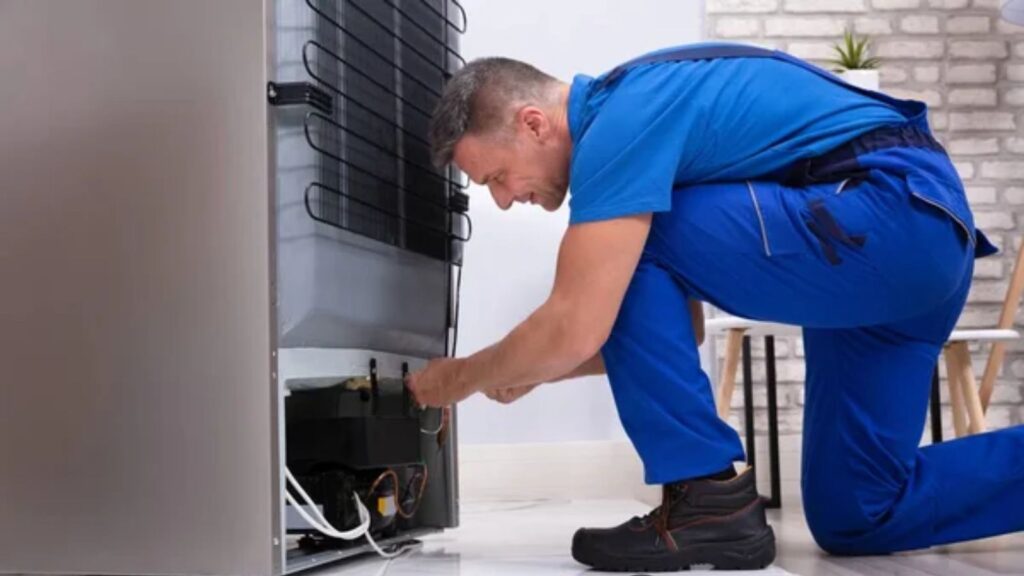
A broken toaster, blender, coffee maker, or other appliance can sit in a cabinet for months while you keep telling yourself you’ll fix it.
If you haven’t repaired it by now and have no plans to do so, it may be time to let it go. Getting rid of broken appliances can also give you more room to work in the kitchen.
Related: Kitchen Appliance Checklist: 19 Essentials
Old Power Cords
That drawer full of mystery cords is a common sight in many homes. Some belong to devices you no longer own, while others have been sitting there for years without being used.
Before getting rid of a cord, make sure you know what it belongs to. Once you’ve confirmed that you no longer need it, recycle it through an electronics recycling program rather than letting it take up space in a drawer.
Old Toothbrushes
An old toothbrush can be handy for certain cleaning jobs, but there’s no reason to keep a pile of them.
If you’ve already set aside a toothbrush for cleaning grout, shoes, or other hard-to-reach spots, keep that one. The rest can go. Dental professionals commonly recommend replacing toothbrushes every three to four months.
If you do want to reuse one for cleaning, this beeswax furniture polish can also be useful for other household projects.
Memorabilia
Old greeting cards, ticket stubs, receipts from trips, and other little keepsakes can be difficult to part with. Some really do have sentimental value, while others stay in a box simply because you haven’t looked at them in years.
Go through your collection and keep the pieces that still mean something to you. If you have several items that tell the same story, choose your favorites and let the rest go. You’ll still have the memories without needing an entire box to store them.
Worn Loofahs and Sponges
Loofahs and bath sponges can hold moisture and collect bacteria over time, especially when they stay damp between uses. If yours has developed mold, an unpleasant smell, or looks worn out, it belongs in the trash.
Rather than keeping old bath poufs around indefinitely, consider using a washable washcloth that can be cleaned after each use.
Expired Medicine
Medicine cabinets are easy places to forget about. Old pain relievers, cold medicine, antacids, and vitamins can sit behind newer products until someone finally checks the expiration dates.
Go through your medicine cabinet from time to time and separate anything expired or no longer needed. Follow local guidance for medication disposal instead of flushing medicines down the toilet or throwing them away without checking the label.
Damaged Clothing
A shirt with a small tear can sometimes be repaired. A stained sweater might have a second life as work clothing. But there comes a point when a damaged piece of clothing simply isn’t worth keeping.
Look for permanent stains, large tears, stretched fabric, or lingering odors. If you have no plans to repair or repurpose the item, free up the closet space and let it go.
If odors are the only issue, try these 12 Ways to Get Smells Out of Clothes before deciding whether something needs to be discarded.
Clothes That No Longer Fit
Closets often become storage areas for clothes we hope to wear again someday. Maybe the item was expensive, maybe it was a favorite, or maybe you’re waiting for the right time to have it altered.
If something has been sitting untouched for years, ask yourself whether you would actually buy it again today. Clothes that are still in good condition can be donated or sold to make space for clothes that you actually wear.
Free Stuff
Free tote bags, T-shirts, promotional mugs, water bottles, and other giveaway items can pile up surprisingly fast.
Free doesn’t mean useful. If you already have more bags or shirts than you can use, keeping another one just because it didn’t cost anything doesn’t make much sense. Pick your favorites and donate or recycle the extras.
Expired Skincare Products
Skincare and makeup collections can get crowded with products that have been sitting around far too long. Old mascara, foundation, creams, and other cosmetics may change in smell, color, or texture over time.
Check expiration information and discard products that are past their recommended use period or have clearly changed. Keeping fewer products also makes it easier to see what you actually use.
Hotel Samples
Those tiny bottles of shampoo, conditioner, lotion, and other hotel samples seem useful when you bring them home. Then they end up in a drawer and stay there for years.
If you rarely use travel-size products, there’s little reason to keep a large stash. Keep a few for travel if you need them and pass along the rest where appropriate.
Empty Boxes
Saving a few sturdy boxes makes sense if you move often, ship packages, or need storage containers. Keeping every box from every delivery is another story.
Once you’ve unpacked your purchases and have no planned use for the boxes, break them down for recycling. Your storage closet will probably feel much bigger afterward.
Soap Scraps
Tiny soap pieces have a way of collecting around the shower or bathroom sink. One or two scraps can be useful, but a growing pile usually ends up being more annoying than helpful.
If you have a method for combining soap scraps into a new bar, put them aside for that project. Otherwise, there’s no need to let a handful of tiny soap pieces take over your shower area.
Dried-Up Wipes
Wipes can dry out if their package isn’t sealed properly. Once they’ve lost their moisture, they’re usually of little use for the job they were purchased to do.
Throw dried-out wipes away rather than keeping them in the bathroom for years. Also, don’t assume a package labeled “flushable” belongs in the toilet. Wipes can contribute to clogged toilets and sewer problems, so putting them in the trash is often the safer choice.
A little clutter can accumulate without you noticing. One item here and another there eventually turns into a drawer you can barely open or a closet packed with things nobody uses.
You don’t have to clear everything out in one afternoon. Start with the things you already know you don’t use, and work your way through the rest. The goal isn’t to have an empty house, it’s to make room for the things that actually belong there.
Other Topics You Might Like
- 10 Strange Things That Are Surprisingly Smart to Stockpile
- How to Clean a Wood Cutting Board
- 15 Safe Ways to Clean a Cast Iron Skillet Without Ruining the Seasoning
- 12 Things Professional Organizers Would Never Store Under the Kitchen Sink
- 12 Small Habits That Make a Big Difference in Keeping Your Home Clean