Paperwork can feel like clutter, especially now that so much of our information is stored online. It’s easy to scan something, save a digital copy, and assume the original can go straight into the recycling bin.
That can cause problems later.
A birth certificate, property deed, insurance policy, or old medical record may sit untouched for years before you suddenly need it. Replacing some documents can take weeks, cost money, or require several steps to prove who you are or what you own.
You don’t need to keep every piece of paper that comes through your mailbox. These are the records worth setting aside and storing somewhere secure.
1. Will and Testament
Your will explains how you want your belongings and assets handled after your death. Having a properly prepared will can also help reduce confusion among family members during an already difficult time.
Keep the original in a secure location and make sure the people who need to know about it can find it. Depending on where you live, there may also be specific rules about how an original will must be stored or presented.
Related: 14 Important Documents You Should Always Keep in a Safe Place
2. Property Deeds and Titles
Property deeds establish ownership of real estate, while titles document ownership of vehicles and certain other assets.
You may need these records when selling a property, transferring ownership, refinancing, or handling an estate. Keep them somewhere protected from fire, water, and unauthorized access.
3. Annual Tax Returns
Tax paperwork isn’t exactly fun to organize, but throwing it away too soon can create trouble if questions come up later.
Keep copies of your tax returns along with important supporting documents such as receipts, deductions, income records, and other paperwork relevant to your filing. How long you should retain tax records depends on your circumstances, so check current guidance from the IRS or your tax professional.
4. Immunization Records
Immunization records can be surprisingly difficult to replace, especially if records come from several doctors, clinics, or schools.
These records can be needed for school enrollment, certain jobs, travel, and medical care. Keep copies for each member of the household and store them somewhere you can access when needed.
5. Insurance Policies
Insurance paperwork tells you what your policy covers, your limits, deductibles, exclusions, and other terms that can become very important after an accident or disaster.
Keep records for health, auto, homeowners, renters, life, and other insurance policies that apply to your household. Having this information organized can save a lot of frustration during an emergency.
Here are some essential emergency supplies that every home should have stocked.
6. Marriage Certificates
A marriage certificate can be needed for everything from changing your name to applying for certain benefits or handling financial and legal matters.
Replacing one may require contacting the appropriate government office and providing identification or other information. Keep the original somewhere safe and have a copy available for your records.
7. Divorce Papers
Divorce paperwork can contain information about property division, custody, support arrangements, and other legal decisions.
These documents can be needed years after a divorce, especially when dealing with financial accounts, real estate, remarriage, or custody-related matters. Keep the complete paperwork rather than saving only the first or last page.
Related: 11 Simple Ingredients That Keep Your Home Smelling Clean Naturally
8. Birth Certificates
A birth certificate is one of the most important identity records you’ll have.
You may need it when applying for a passport, getting certain government benefits, proving citizenship, enrolling in school, or handling other official matters. Keep the original protected and consider having certified copies available when appropriate.
9. Social Security Cards
Your Social Security card contains information that should be protected carefully. It may be needed for employment and certain government or financial matters.
Don’t carry it around unnecessarily or leave it somewhere others can easily access. Store it securely with your other identity documents.
10. Passports
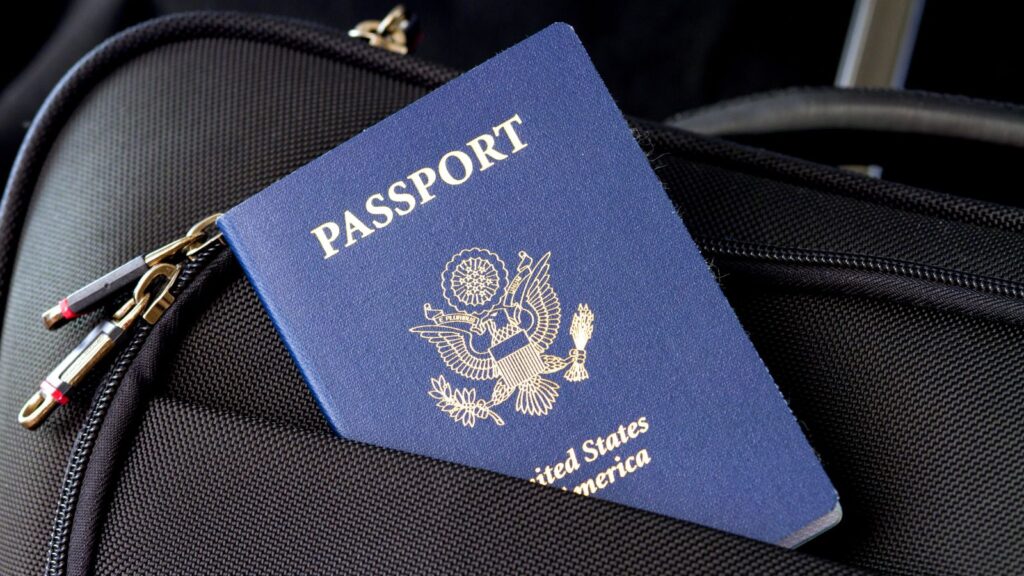
A passport is useful for international travel, but it can also serve as an important form of government-issued identification.
Keep expired passports too if they contain useful travel history, visas, or other information. Store current and expired passports somewhere secure rather than leaving them in an unlocked drawer.
11. Medical Records
You don’t need to keep every medical bill forever, but copies of important medical records can be extremely useful.
Keep records of major diagnoses, surgeries, treatments, allergies, medications, immunizations, and other medical information that may be relevant to future care.
Having this information available can make changing doctors or providing a medical history much easier.
Related: 13 Practical Decluttering Tips to Help Hoarders Take Back Their Space
12. Educational Records
Diplomas, certificates, transcripts, licenses, and other educational records can become useful long after graduation.
A future employer, college, licensing board, or certification program may ask for proof of your education. Replacing an old transcript or certificate can also take time, so it’s worth keeping the originals in a safe place.
13. Military Records
Military records can be particularly important for veterans applying for benefits, healthcare, education assistance, housing programs, or other services.
Keep discharge paperwork and other important service records together. These documents can also provide an important record of your service history for your family.
14. Power of Attorney Documents
A power of attorney gives another person legal authority to act on your behalf under certain circumstances.
There can be different types covering financial, legal, or healthcare decisions. Keep signed copies in a secure location and make sure the appropriate people know where the documents are stored.
15. Beneficiary Designations
Beneficiary information can determine who receives money from certain life insurance policies, retirement accounts, and other financial assets.
Keep copies of beneficiary forms and review them after major life changes such as marriage, divorce, or the birth of a child. The financial institution holding the account generally has the official designation, but keeping your own records can make things easier for your family.
16. Stock and Bond Certificates
Paper stock and bond certificates aren’t as common as they once were, but some people still have them tucked away in old files or safe-deposit boxes.
These documents can provide proof of ownership and may be needed when transferring or selling certain investments. If you aren’t sure whether an old certificate is still valid, check with the issuing company or a qualified financial professional before throwing it away.
17. Important Contracts and Leases
Don’t toss contracts simply because you signed them years ago.
Keep copies of important agreements involving your home, vehicles, employment, loans, rentals, major purchases, and other significant commitments. If a disagreement ever arises, the written agreement can help establish exactly what both sides agreed to.
18. Adoption Papers
Adoption records establish important legal relationships between parents and children.
These documents may be needed for identification, inheritance matters, medical history, citizenship questions, or other legal purposes later in life. Store them securely and limit access to people who have a legitimate reason to see them.
19. Appraisal Records for Valuable Items
If you own expensive jewelry, artwork, antiques, collectibles, or other valuable property, keep the appraisal paperwork.
An appraisal can help establish an item’s value when dealing with insurance claims, estate planning, selling, or documenting your possessions. Keep receipts, photographs, certificates of authenticity, and other supporting records with the appraisal when possible.
Give Important Paperwork a Safe Place
You don’t need filing cabinets overflowing with old receipts and junk mail. The goal is to separate everyday paperwork from records that could be difficult or expensive to replace.
A fire-resistant safe, locked filing cabinet, or secure document box can work well. It’s also smart to keep digital copies of important records, provided they’re stored securely.
Every few months, go through your files and remove documents that no longer have any legal, financial, or practical value. Keep the records that prove who you are, what you own, what you’ve agreed to, and what you may need to prove years from now.