Philodendrons are among the most recognizable houseplants, but there’s more to them than the familiar heart-shaped leaves trailing from a hanging basket. Some grow into large tropical plants with deeply divided leaves, while others have velvety foliage, colorful stems, or striking patterns.
What makes philodendrons especially interesting is how different one variety can look from another. You can find compact plants that fit nicely on a shelf, climbing varieties that grow up a moss pole, and unusual species that collectors spend years trying to find.
Whether you’re looking for your first philodendron or want to add something different to your collection, here’s a closer look at their origins, growing habits, and the wide varieties worth knowing.
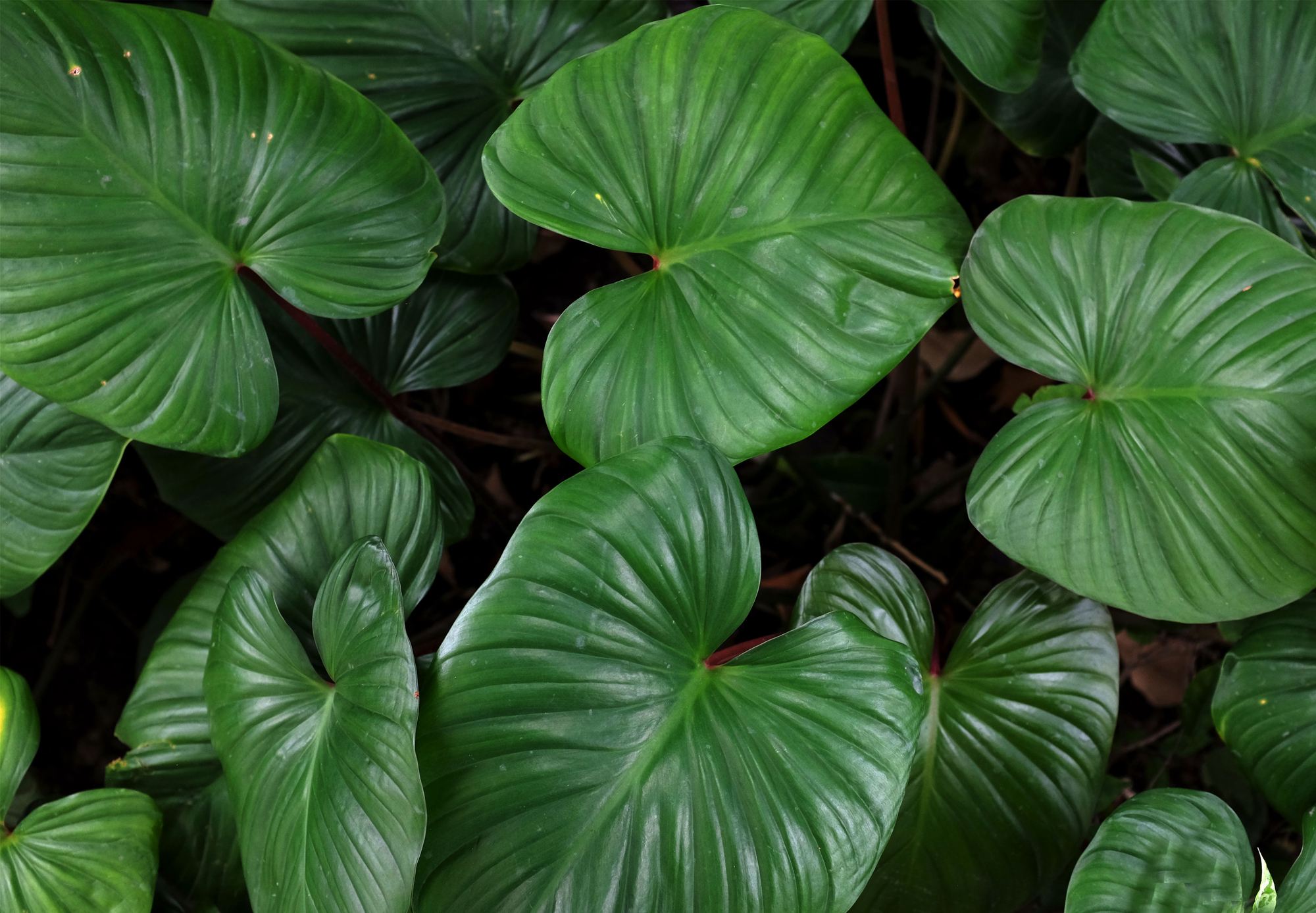
Where Do Philodendrons Come From?
Philodendrons are tropical plants native primarily to Central and South America, where many grow in warm, humid forests. They belong to the Araceae family, which also includes popular houseplants such as pothos, monstera, and peace lilies.
In their natural habitats, some philodendrons grow along the forest floor, while others climb trees to reach brighter light. Their leaves can look dramatically different depending on the species and growing conditions.
Over time, philodendrons became popular indoor plants because of their attractive foliage and ability to adapt to household environments. Today, growers have developed numerous cultivars and hybrids, giving plant lovers even more colors, shapes, and sizes to choose from.
Different Types of Philodendrons
Philodendrons generally fall into a few broad growth categories. Understanding these differences can help you choose a plant that fits your space and decide how to care for it.
Climbing and Trailing Philodendrons
These philodendrons grow long stems that either climb upward or trail over the sides of containers. Many develop larger leaves when given something to climb, making moss poles and trellises useful for indoor growing.
Popular examples include:
- Heartleaf Philodendron (Philodendron hederaceum)
- Brasil Philodendron
- Micans Philodendron
- Lemon Lime Philodendron
- Rio Philodendron
- Silver Sword Philodendron (Philodendron hastatum)
- Blushing Philodendron (Philodendron erubescens)
- Red Emerald Philodendron
- Philodendron melanochrysum
- Philodendron verrucosum
Upright and Self-Heading Philodendrons
Unlike trailing varieties, self-heading philodendrons grow in a more compact, upright form. Their leaves emerge from a central growing point, making them attractive choices for floor planters, tabletops, and indoor plant displays.
Popular varieties include:
- Prince of Orange Philodendron
- Imperial Green Philodendron
- Imperial Red Philodendron
- Black Cardinal Philodendron
- Moonlight Philodendron
- Birkin Philodendron
- Green Congo Philodendron
- Rojo Congo Philodendron
- Green Princess Philodendron
- Philodendron martianum
Rare and Unusual Philodendrons
Some philodendrons are especially popular among collectors because of their unusual leaf shapes, velvety textures, or striking variegation. While certain varieties are becoming easier to find, others remain relatively uncommon in ordinary garden centers.
Examples include:
- Philodendron spiritus-sancti
- Philodendron joepii
- Philodendron patriciae
- Philodendron billietiae
- Philodendron atabapoense
- Philodendron plowmanii
- Philodendron pastazanum
- Philodendron sharoniae
- Philodendron tortum
- Philodendron gloriosum
- Philodendron mamei
- Philodendron bernardopazii
- Philodendron camposportoanum
- Philodendron esmeraldense
- Philodendron mexicanum
More Philodendron Varieties Worth Knowing
Beyond familiar houseplants, many other philodendrons have interesting foliage and growing habits. Some are grown primarily for their unusual leaf shapes, while others are prized for colorful new growth or distinctive patterns.
Here are additional species and cultivated varieties from the original collection.
Colorful and Variegated Philodendrons
- Pink Princess Philodendron
- White Knight Philodendron
- Painted Lady Philodendron
- Florida Ghost Philodendron
- Ring of Fire Philodendron
- Dark Lord Philodendron
- Paraiso Verde Philodendron
- Thai Sunrise Philodendron
- Golden Goddess Philodendron
- Philodendron ‘Majesty’
- Philodendron ‘Bloody Mary’
- Philodendron ‘Caulkin Gold’
- Philodendron ‘Jose Buono’
- Philodendron ‘Ilsemanii’
Philodendrons With Distinctive Leaf Shapes
- Philodendron bipennifolium (Horsehead Philodendron)
- Philodendron pedatum (Oak Leaf Philodendron)
- Philodendron mayoi
- Philodendron tripartitum
- Philodendron rugosum (Pigskin Philodendron)
- Philodendron brandtianum (Silver Leaf Philodendron)
- Philodendron subhastatum
- Philodendron grazielae
- Philodendron crassinervium
- Philodendron lacerum
- Philodendron laciniatum
- Philodendron giganteum
- Philodendron callosum
- Philodendron melanoneuron
- Philodendron ‘Bob Cee’
Note: This is a condensed selection from the original article rather than a verified list of 88 distinct varieties. Some names are horticultural trade names, and plant classification may vary.
How to Care for Philodendrons Indoors
Although philodendrons come in many shapes and sizes, most popular houseplant varieties have similar basic care requirements. The key is providing enough light, avoiding soggy soil, and giving climbing plants room to grow.
Light
Most philodendrons grow best in bright, indirect light. Some tolerate lower light levels, but colorful and variegated varieties generally need brighter conditions to maintain healthy growth and attractive foliage.
Avoid prolonged exposure to harsh direct sunlight, which can scorch the leaves.
Watering
Philodendrons generally prefer soil that dries slightly between waterings. Check the top inch or two of soil before watering, and avoid leaving the pot sitting in water.
Overwatering is one of the most common problems with indoor philodendrons, especially when they’re grown in containers without proper drainage.
Soil
A loose, well-draining potting mix works well for most philodendrons. Adding ingredients such as orchid bark and perlite can improve airflow around the roots while helping the mix retain some moisture.
Temperature and Humidity
Most indoor philodendrons prefer warm temperatures, generally around 65–80°F. Many appreciate higher humidity, particularly species with thin or velvety leaves, but several common varieties adapt well to typical household conditions.
Keep them away from cold drafts and sudden temperature changes.
Fertilizing and Pruning
Feed philodendrons with a balanced houseplant fertilizer during active growth, following the product instructions. Remove yellow or damaged leaves as needed, and trim trailing stems to encourage a fuller appearance.
Climbing varieties may benefit from a moss pole or another support as they mature.
Which Philodendron Is Best for Beginners?
If you’re new to philodendrons, the Heartleaf Philodendron is one of the easiest places to start. It’s adaptable, grows well in containers, and doesn’t require the same level of attention as some of the more unusual tropical species.
Brasil, Micans, and Lemon Lime are also appealing choices if you want something a little different without taking on a particularly demanding plant.
Collectors looking for something more distinctive may enjoy Philodendron gloriosum, melanochrysum, or billietiae, although their growing habits and environmental preferences deserve closer attention.
Final Thoughts
With so many philodendron species and cultivated varieties available, there’s something for nearly every indoor plant collection. From simple trailing vines to large tropical plants with dramatic foliage, the differences between them are part of what makes these plants so interesting.
You don’t need a rare or expensive variety to enjoy growing philodendrons. Start with a plant that suits your space and growing conditions, then gradually explore more unusual types as your collection grows.