Houseplants can make a room feel more inviting, especially if you enjoy having greenery throughout your home. Some plants, particularly fragrant herbs, add a pleasant scent, while leafy varieties bring color and life to otherwise plain spaces.
You may have heard about NASA’s 1989 study on houseplants and air pollution, but there is an important distinction: those tests were conducted in controlled chambers, and the U.S. Environmental Protection Agency says an ordinary number of houseplants doesn’t remove meaningful amounts of indoor pollutants in homes and offices (EPA guidance). Plants are lovely additions to a home, but regular cleaning and good ventilation remain the better ways to deal with lingering odors and stale air.
Aloe Vera
Aloe vera has thick, fleshy leaves and soothing gel inside, and it’s fairly easy to care for indoors. Place it near a sunny window and let the soil dry completely between waterings to keep the roots from sitting in too much moisture.
Related: 10 Bold Neon Houseplants That Stun
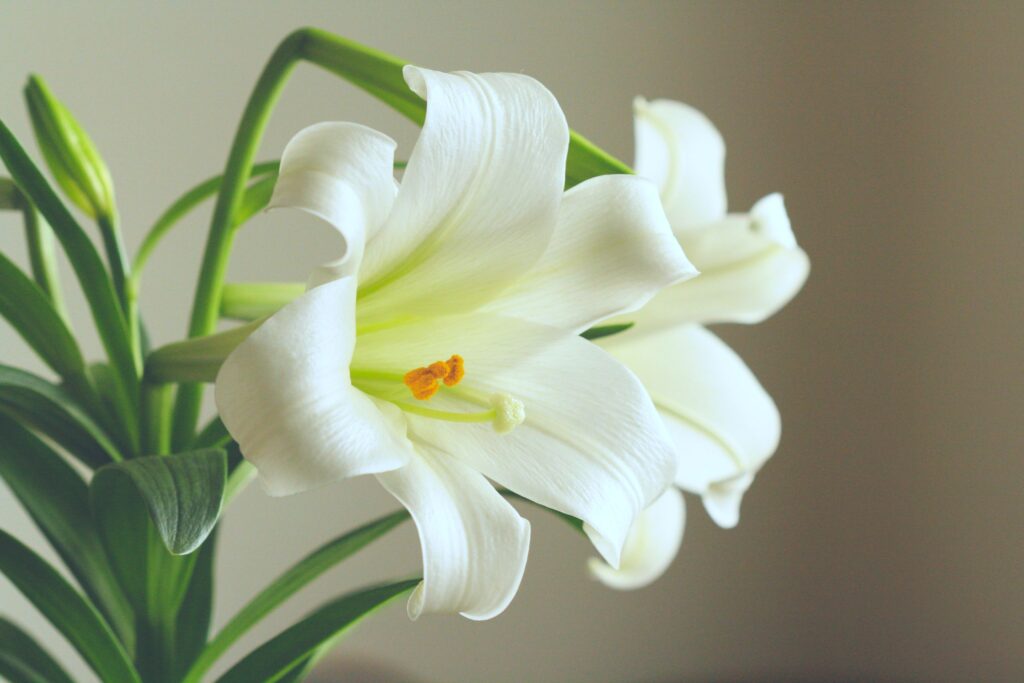
Peace Lily
Peace lilies have glossy green leaves and elegant white flowers that look lovely in bedrooms, living rooms, and offices. They prefer bright, indirect light or moderate light, and their leaves may droop when they need water.
Spider Plant
Spider plants are a great choice for beginners because they grow quickly and produce long, arching leaves with small plantlets hanging from their stems. They do well in bright, indirect light and prefer soil that dries slightly between waterings.
Related: 18 Beautiful Houseplants That Can Live For Decades
Snake Plant
Snake plants have upright, sword-shaped leaves and can tolerate lower light than many houseplants. They need very little water, so let the soil dry out fully between waterings rather than giving them frequent drinks.
ZZ Plant
The ZZ plant has thick stems and shiny leaves that give it a neat, polished look with minimal effort. It tolerates low light and long stretches between waterings, making it a handy choice for busy households or rooms with few windows.
Pothos
Pothos is popular for its trailing vines and heart-shaped leaves, which look great on shelves or in hanging baskets. It grows well in bright, indirect light and tolerates lower-light spots, and you can trim the vines when they get too long.
Related: Houseplants That Thrive in the Humidity of Your Bathroom
Calathea
Calatheas stand out for their patterned leaves, which can feature stripes, pink markings, or deep green designs. They prefer indirect light, warm temperatures, and soil that stays lightly moist rather than drying out completely.
Parlor Palm
Parlor palms bring a soft, tropical look to indoor spaces without needing direct sunlight. They grow well in moderate to low light and prefer watering when the top layer of soil begins to dry.
Rubber Plant
Rubber plants have large, glossy leaves that can make an empty corner feel more complete. Give yours bright, indirect light and water when the top layer of soil has dried, but don’t let the roots sit in water.
Related: These Large Leaf Houseplants Make Quite the Statement Indoors
English Ivy
English ivy has trailing vines that work well in hanging baskets or on high shelves where the leaves can spill over the edges. It prefers bright, indirect light and evenly moist soil, and regular trimming helps keep its growth in check.
Chinese Evergreen
Chinese evergreens have broad leaves with attractive green, silver, or pink markings, depending on the variety. They’re comfortable in moderate to low light and do best when the top of the soil dries slightly between waterings.
Monstera
Monstera plants are easy to recognize by their large leaves, which develop natural splits and holes as they mature. They grow best in bright, indirect light with room for their spreading leaves, making them a good choice if you have an empty corner to fill.
Keep Your Home Feeling Fresh
Houseplants can make your home feel more welcoming, but most on this list won’t add much fragrance or remove household odors on their own. Pair your greenery with regular cleaning, fresh airflow, and attention to the source of unwanted smells for a home that looks and feels better.