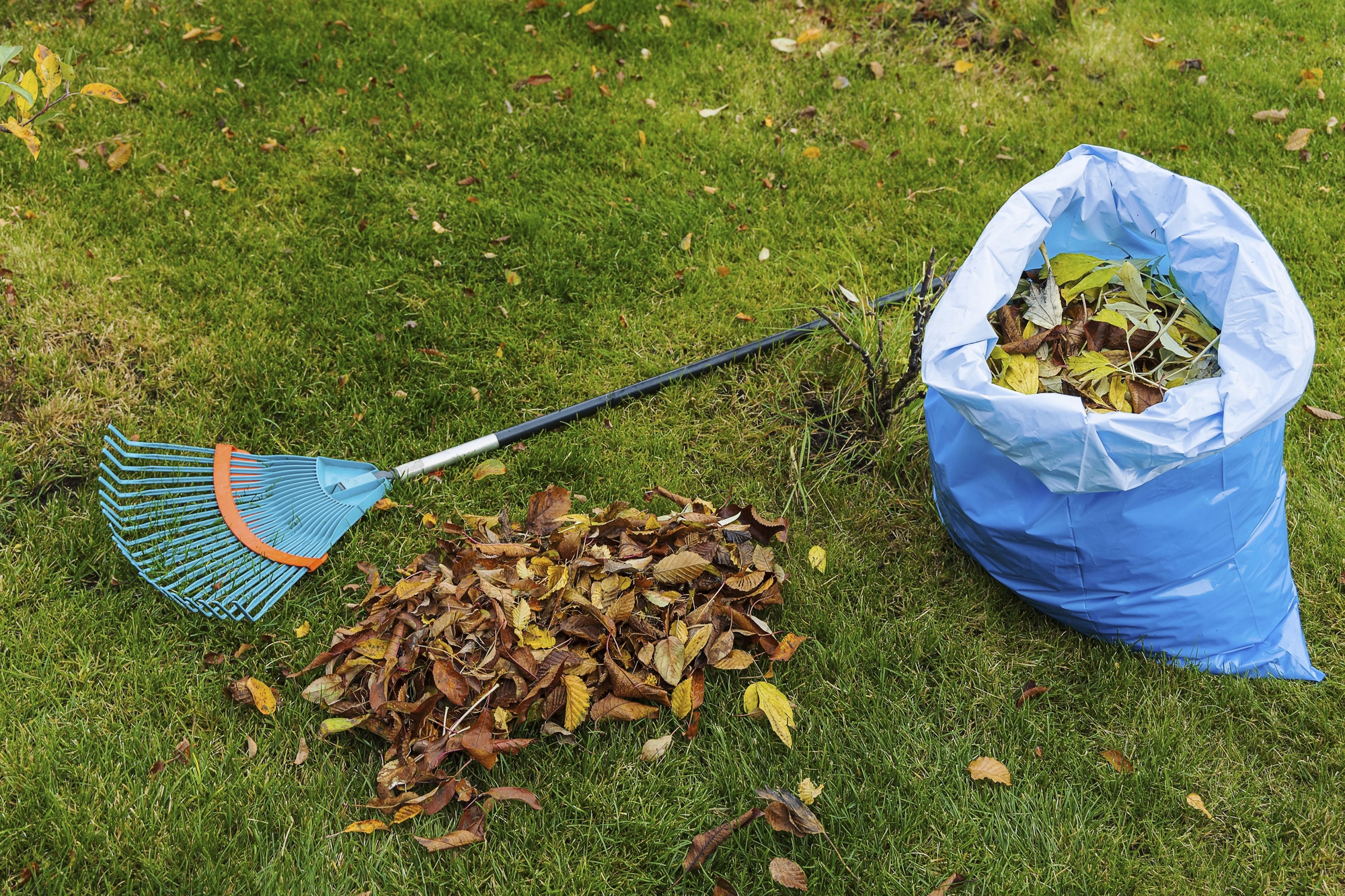
Every fall, homeowners face the same familiar chore: cleaning up piles of fallen leaves. A yard covered in colorful leaves can look lovely for a few days, but a thick layer can keep sunlight and air from reaching the grass. Wet leaves can also become slippery and create hiding spots for insects and other small pests.
Raking is the usual way to handle the mess, but it can take hours, especially if you have a large yard or several mature trees. Thankfully, other methods can clear leaves, and some let you reuse them around the garden instead of hauling everything away.
Here are nine ways to make fall yard cleanup a little easier.
Use a Leaf Blower
A leaf blower can save a lot of time if you have a large yard with plenty of trees. You can move leaves into a few large piles without bending over and raking every section by hand.
Battery-powered models are worth considering if you prefer something quieter and don’t want to deal with gas or extension cords. Wear hearing protection when needed, and avoid blowing leaves into the street, storm drains, or neighboring yards.
Try a Leaf Vacuum
A leaf vacuum can help pick up leaves in places a regular blower can’t reach easily. It works well around flower beds, beneath shrubs, along fences, and in narrow areas where leaves tend to pile up.
Many models also shred leaves as they collect them, which reduces the space they take up. You can then add the shredded material to your compost pile or use it as garden mulch.
Run Over the Leaves With a Lawn Mower
Your lawn mower can do more than cut grass during the fall. If it has a collection bag, you can run it over fallen leaves to chop them into smaller pieces and gather them at the same time.
If the layer isn’t too thick, you can leave the shredded leaves on the lawn to break down naturally. Just avoid leaving large clumps that could smother the grass underneath.
Gather Leaves With a Tarp
A large tarp makes it much easier to move piles of leaves without carrying bag after bag across the yard. Spread it out, rake or blow the leaves onto the surface, then pull the corners together and drag everything to your compost pile or yard-waste collection area.
This works especially well if you have a large property or need to move leaves over a longer distance. A tarp can also save you several trips back and forth with a wheelbarrow or small yard-waste bin.
Burn Leaves Only Where It’s Legal
Burning leaves may seem like a quick way to clear your yard, but it comes with fire and health risks. Some communities prohibit open burning altogether, and dry leaves can catch fire quickly or send smoke into nearby homes.
If local rules allow it, check the restrictions before lighting anything and follow all safety requirements. Keep fires far from buildings, fences, trees, dry grass, and other flammable materials, and never leave a fire unattended.
For most homeowners, composting, mulching, or using a yard-waste pickup service is safer.
Use a Snow Shovel
You don’t have to wait for winter to use your snow shovel. Its wide scoop can help move large piles of leaves, particularly along fences, near the house, or in corners where they tend to collect.
It may not be practical for clearing an entire lawn, but it’s handy for moving a pile a short distance. It’s also a useful option if you don’t have a leaf blower or vacuum.
Related: 9 Homemade Cleaning Products That Skip the Harsh Chemicals
Hire a Leaf Removal Service
If your yard is covered in leaves every fall, hiring a landscaping company may be worth the expense. Professional crews have commercial equipment that can clear large properties much faster than most homeowners can.
This can be especially helpful if you have several mature trees, limited time, or physical difficulties that make yard work uncomfortable. Some companies also offer seasonal cleanup packages, so you may be able to arrange several visits throughout the fall.
Turn the Leaves Into Mulch
You don’t have to bag up every leaf that falls on your property. Running a lawn mower over a thin layer can break the leaves into small pieces that settle into the grass and decompose over time.
You can also shred leaves and spread them around trees, shrubs, and garden beds. This gives you free mulch for the garden and reduces the number of bags you need to haul away.
Leave Some Leaves Behind
A completely leaf-free yard isn’t necessary, especially in areas you don’t spend much time in. Leaving some leaves beneath trees, around shrubs, or in a quiet corner of the garden can provide shelter for insects and other small creatures during colder months.
As the leaves break down, they add organic matter to the soil. Just keep thick layers off your main lawn, walkways, and other areas where wet leaves could cause problems.