A mini excavator is one of those machines that changes how you look at your land. The ditch you have been putting off, the stump in the middle of the garden, the water line out to the barn: suddenly they are weekend jobs instead of next-year jobs.
The hard part is choosing a size. Too small and you fight the machine on every job. Too big and you have paid for weight you cannot easily haul, store, or use around fences and buildings. This guide walks through the most common homestead jobs and which machine size actually handles them.
The sizes, in plain terms
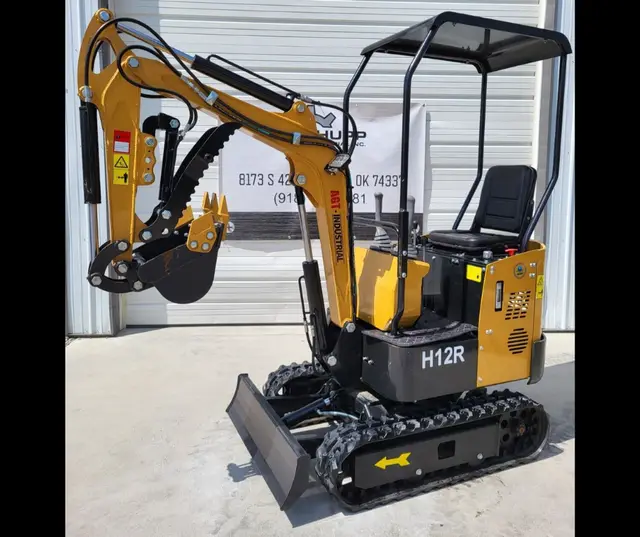
Mini excavators are usually sold by operating weight. For most homesteads, the useful range is the smallest class: machines of roughly 1 to 1.5 tons.
– 1-ton machines are the lightest and easiest to move. Many run on a small gas engine (13.5 HP is common), dig down to about 5.5 feet, and sit on narrow rubber tracks about 7 inches wide. They fit through gates and between buildings where a tractor will not.
– 1.4 to 1.5-ton machines add weight, reach and stability. This is where you start to see small diesel engines, such as three-cylinder liquid-cooled units around 14 HP, with digging depth closer to six feet and more lifting capacity.
On a small excavator, weight matters more than horsepower. A heavier machine stays planted when the bucket bites into hard clay or pulls on a root. A lighter one is easier to haul and gentler on a lawn.
Job by job: what size do you need?
Trenching water lines and electric. This is where the 1-ton class shines. A narrow bucket on a small machine cuts a clean trench without tearing up the yard, and most homestead lines run within the digging depth these machines reach. Check your local frost depth first; in colder areas, a line may need to sit deeper than a small machine can comfortably reach. A narrow trenching bucket is worth having for this job.
Setting posts and digging footings. A 1-ton machine is plenty for fence posts, pole barn holes, and small footings. If you plan to set a lot of posts, look for a machine plumbed for auxiliary hydraulics. That lets you run attachments like an auger instead of digging every hole with the bucket.
Ditch digging and drainage. For cleaning out ditches and cutting small drainage swales, either size works. The heavier 1.4- to 1.5-ton machines move more dirt per pass and handle wet, heavy soil better. A backfill blade on the front, which most of these machines have, makes it easy to push spoil back in and level things out afterward.
Small ponds. Be realistic here. A machine that digs five to six feet deep can dig a small garden pond, a wildlife pond, or a shallow livestock water hole. A full farm pond meant to hold water through a dry summer usually takes a much bigger machine or a dozer. If a pond is the main reason you are buying, measure what depth you need before you choose.
Clearing stumps and brush. This is where a hydraulic thumb pays for itself. A thumb lets the machine grab a root ball, a log or a pile of brush instead of just pushing it around. For stumps, dig around the root system, cut the side roots with the bucket, then pry the stump out. Small stumps come out with a 1-ton machine and some patience. Larger, older stumps go better with the extra weight of a 1.5-ton machine.
Building a pad for a shop or shed. Stripping topsoil, cutting a level pad and spreading gravel are all within reach of a small excavator, especially one with a blade. A heavier machine does it faster, but a 1-ton machine will get the job done for a typical shed or small shop pad.
Attachments make the machine
On a small excavator, the attachment often matters more than the machine itself. A few worth knowing about:
– Buckets in different widths. A narrow bucket for trenches, a wider one for general digging and loading.
– A thumb, fixed or hydraulic, for grabbing logs, rocks, stumps, and brush.
– An auger, if your machine has auxiliary hydraulics, for post holes and footings.
Before you buy an attachment, check the pin size. Many machines in the 1 to 1.5-ton class use 25 mm pins, but not all do, and the wrong pins will not fit.
Gas or diesel?
Small gas engines are simple, light and easy to find parts for. They suit a homeowner who uses the machine a few weekends a year. Diesels cost more up front, but they deliver steady torque and often fit better if the machine will see regular, heavy work. Neither choice is wrong. Think about how many hours a year you will really run it.
Getting it home and moving it around
A 1-ton machine is small enough to haul on a sturdy utility trailer, but check two numbers before you load it: your trailer’s rated capacity and your vehicle’s towing capacity. Both the machine’s weight and the trailer’s weight count. Use ramps rated for the load, track straight up the middle, and strap the machine down at all four corners with the bucket lowered to the deck.
The heavier 1.4- to 1.5-ton machines usually require an equipment trailer with a higher rating.
Ground conditions matter
Rubber tracks are what make these machines homestead-friendly. They spread the weight out, so the machine crosses a lawn or soft ground without leaving deep ruts, and they will not tear up a driveway.
A few basics to keep in mind:
– Wet ground. A small machine can bog down in saturated clay. If you can, work after the ground has dried out for a few days.
– Slopes. Track straight up and down slopes, not across them, and keep the bucket low. Small machines are light, and they tip on side slopes.
– Rocky ground. Rocks wear rubber tracks faster. Go slow, and avoid spinning the tracks on sharp rock.
– Before you dig anywhere, call 811. It is free, and it keeps you from cutting a buried power, gas, or fiber line.
The short answer
For most homesteads, a 1-ton machine handles trenching, posts, light drainage, and small stumps, and it is the easiest to haul and store. If your list leans toward heavy clay, bigger stumps, more ditch work or a shop pad, step up to a 1.4 to 1.5-ton machine for the extra weight and reach. Either way, plan to add a thumb. On a homestead, you use it on nearly every job.

Braden Chupp
Braden Chupp's family runs Chupp Industrial in Chouteau, Oklahoma, where they have sold compact equipment to landowners and small farms for over 15 years.