For years, Americans have been encouraged to keep at least three days’ worth of emergency supplies on hand. But following a series of major technology outages affecting banks, airlines, communication platforms, and government services, some experts are encouraging households to think beyond that three-day window.
In a recent interview with Newsweek, James Kendra, a professor and director of the Disaster Research Center at the University of Delaware, assessed the minimum recommendation: “Three days is not enough.”
FEMA’s Three-Day Recommendation Is a Starting Point
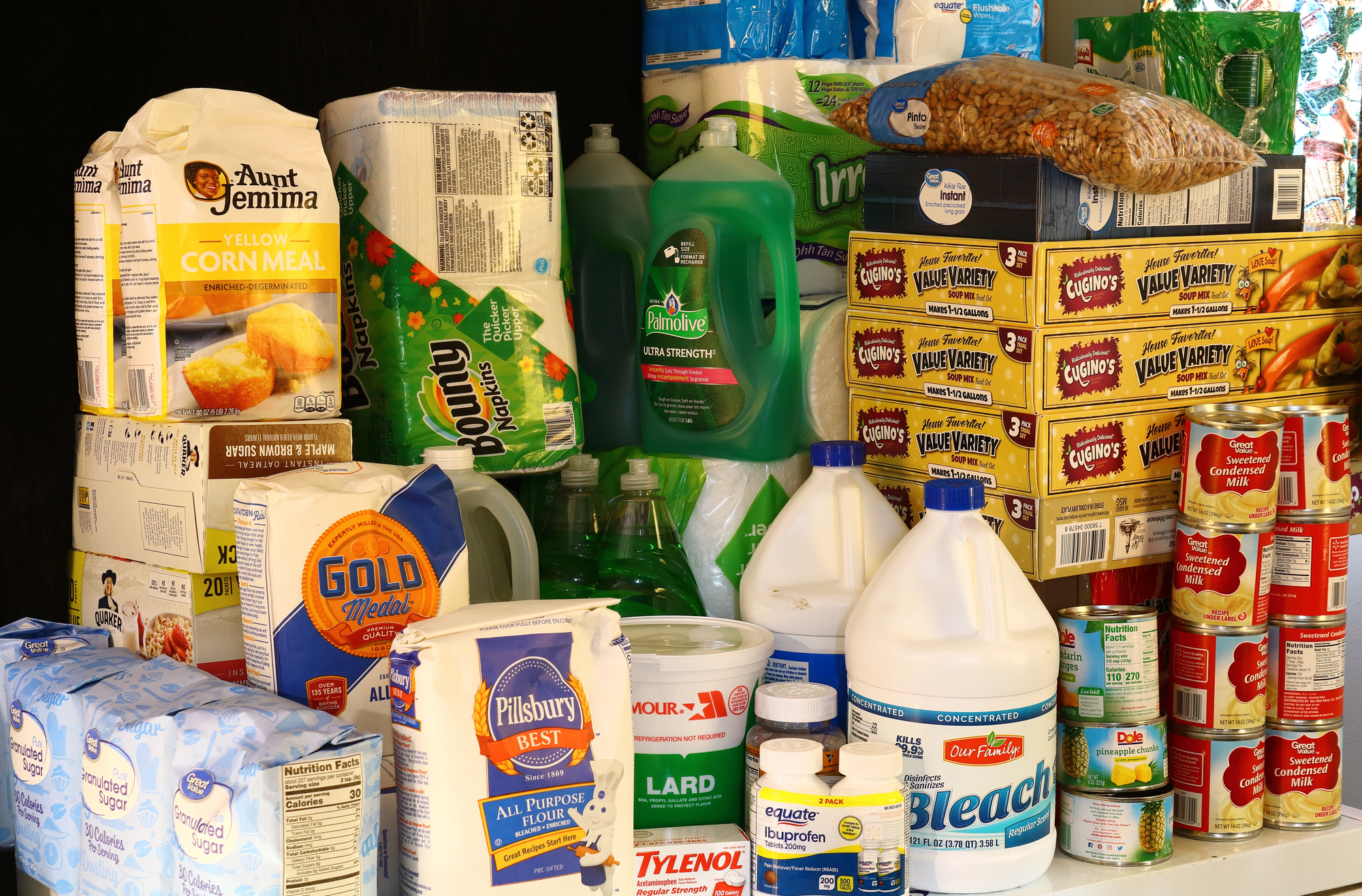
The Federal Emergency Management Agency (FEMA) encourages Americans to keep enough basic emergency supplies to sustain themselves for at least three days. This includes nonperishable food, one gallon of water per person per day, flashlights, batteries, medications, and first aid supplies.
However, three days is a minimum, not a limit. Depending on the nature and severity of an emergency, households could be without electricity, running water, or access to grocery stores for much longer.
Related: Can America’s Power Grid Keep Up With the Rapid Growth of Data Centers?
A Disaster Expert Is Encouraging Americans to Prepare for Longer Disruptions
Kendra compared the recent technology outages to the concerns surrounding Y2K, when households, businesses, and governments prepared for potential computer system failures at the turn of the millennium.
He believes today’s disruptions should similarly prompt people to consider how they would manage without electricity, water, gas, or telephone service for more than three days.
It’s one thing to have enough food in the pantry for a long weekend, but managing an entire household without access to essential services for a week or longer requires additional planning.
Other Countries Recommend More Than Three Days of Emergency Supplies
The United States isn’t alone in encouraging residents to maintain an emergency stockpile. However, some countries recommend preparing for considerably longer periods of self-sufficiency.
The European Union has promoted a minimum of 72 hours, while Sweden recommends that households be able to manage independently for at least one week. Germany advises residents to aim for 10 days’ worth of supplies whenever possible.
Even within the United States, the American Red Cross recommends keeping a two-week supply of food and water at home.
Food and Water Are Only Part of the Equation
Stockpiling canned goods, rice, and bottled water is a good place to start, but a prolonged emergency can create needs that go well beyond what’s in your pantry.
Disaster experts also recommend having essential medications, personal hygiene products, extra toilet paper, pet supplies, and protein-rich foods such as beans, canned fish, and protein bars. Keeping vehicles adequately fueled and having pet carriers or leashes easily accessible are other preparations worth considering.
Families with young children, elderly relatives, or household members with medical conditions may need to make additional arrangements.