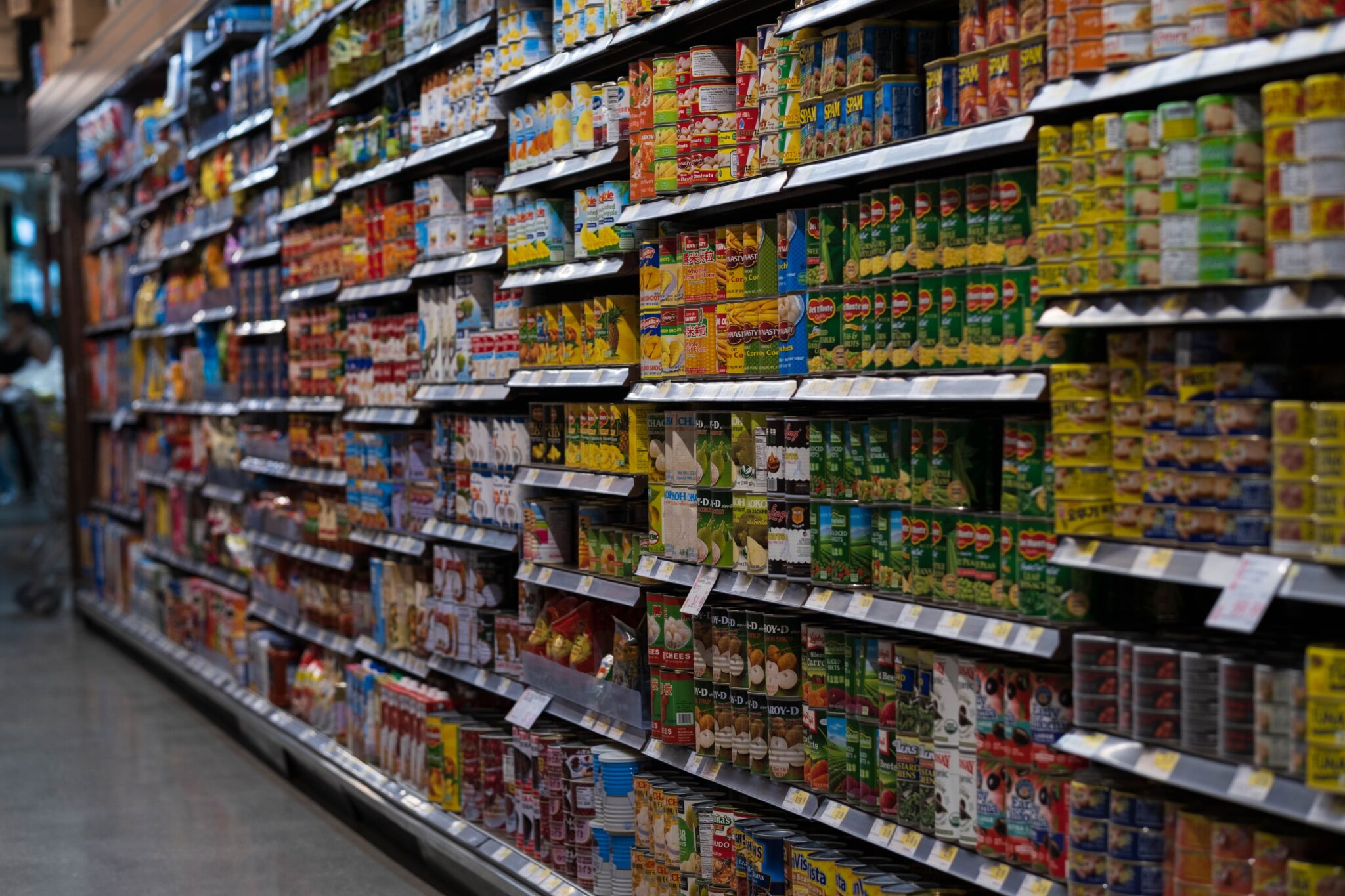
Canned food is a staple in many households, especially for those building an emergency food supply. But while commercially canned foods are designed to last for years, where you store them can make a considerable difference in how long they last.
According to the U.S. Department of Agriculture (USDA), exposure to high temperatures can increase the risk of spoilage, even if the cans have never been opened.
If you’re running out of pantry space and storing extra canned goods in your garage, basement, or other areas of your home, you may want to reconsider.
Temperatures Above 100°F Can Be Harmful to Canned Food
The USDA explains that temperatures above 100°F can be particularly harmful to commercially canned foods. As storage temperatures rise, the risk of food spoilage increases significantly.
This is especially worth considering if you live in a warmer climate or store your emergency food supply in a space without temperature control. A garage or outdoor storage shed can become considerably hotter during the summer months than the rest of your home.
The USDA Recommends Storage Temperatures Below 85°F
For best results, store canned foods below 85°F in a cool, dry location.
It’s also important to understand that exposure to extreme temperatures isn’t the only concern. Moisture can cause cans to rust over time, while natural chemical reactions between the food and its container can gradually affect the food’s quality.
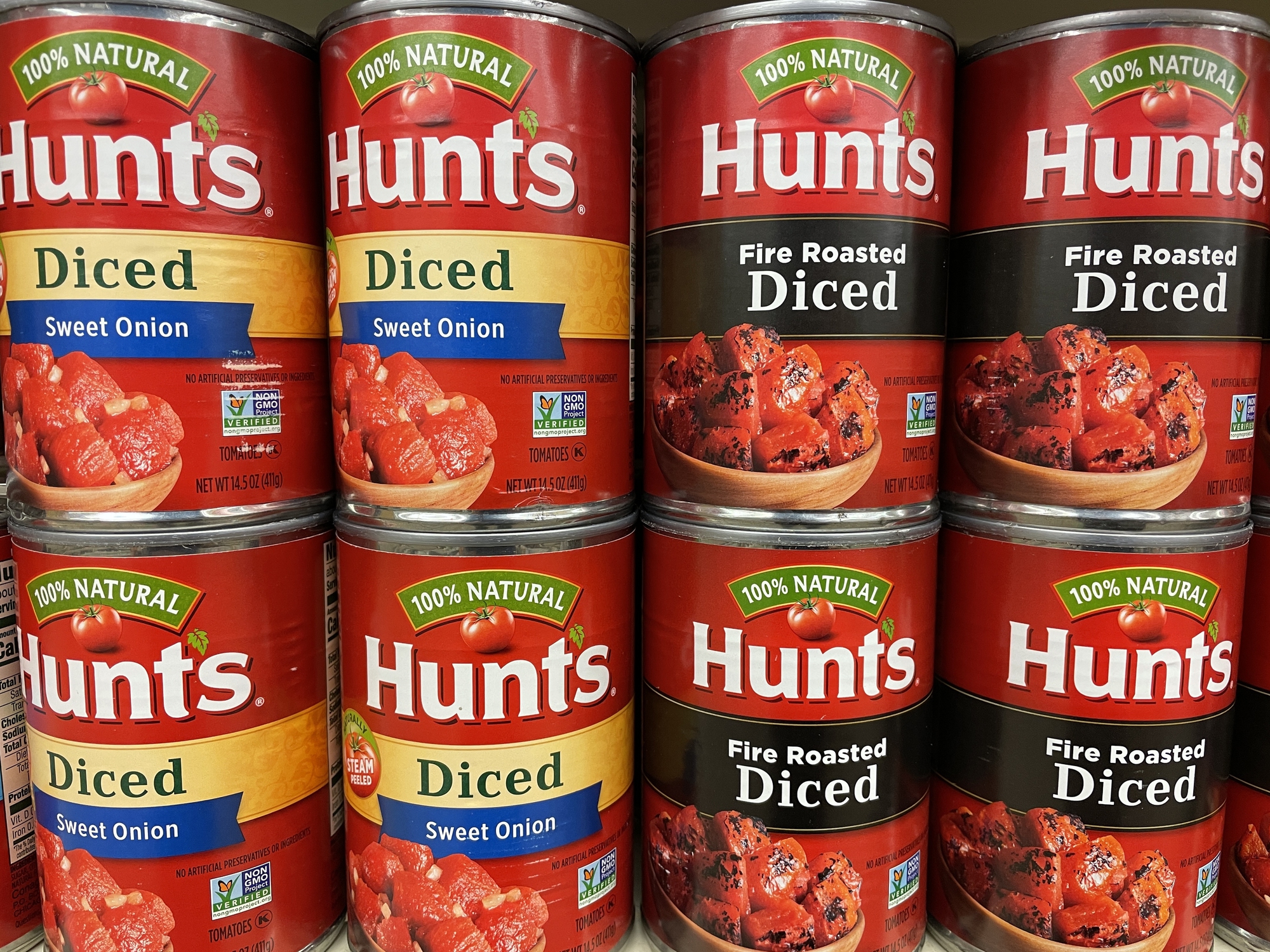
High-acid foods, such as canned tomatoes, are particularly susceptible to internal corrosion.
Related: These Impressive Recipes Start with Canned Beans
Certain Areas of Your Home Are Poor Choices for Food Storage
Although it may be tempting to store canned goods wherever you have extra space, the USDA advises against keeping them in the following locations:
- Above or beside the stove
- Under the kitchen sink
- In a damp garage
- In a damp basement
- Anywhere exposed to extreme temperatures
Check where you’re currently keeping your extra canned goods. Even a kitchen cabinet may not be an ideal storage location if it’s positioned directly above a heat-producing appliance.